Science
How Cyclic Peptides Work—and Why They Make Better Drugs
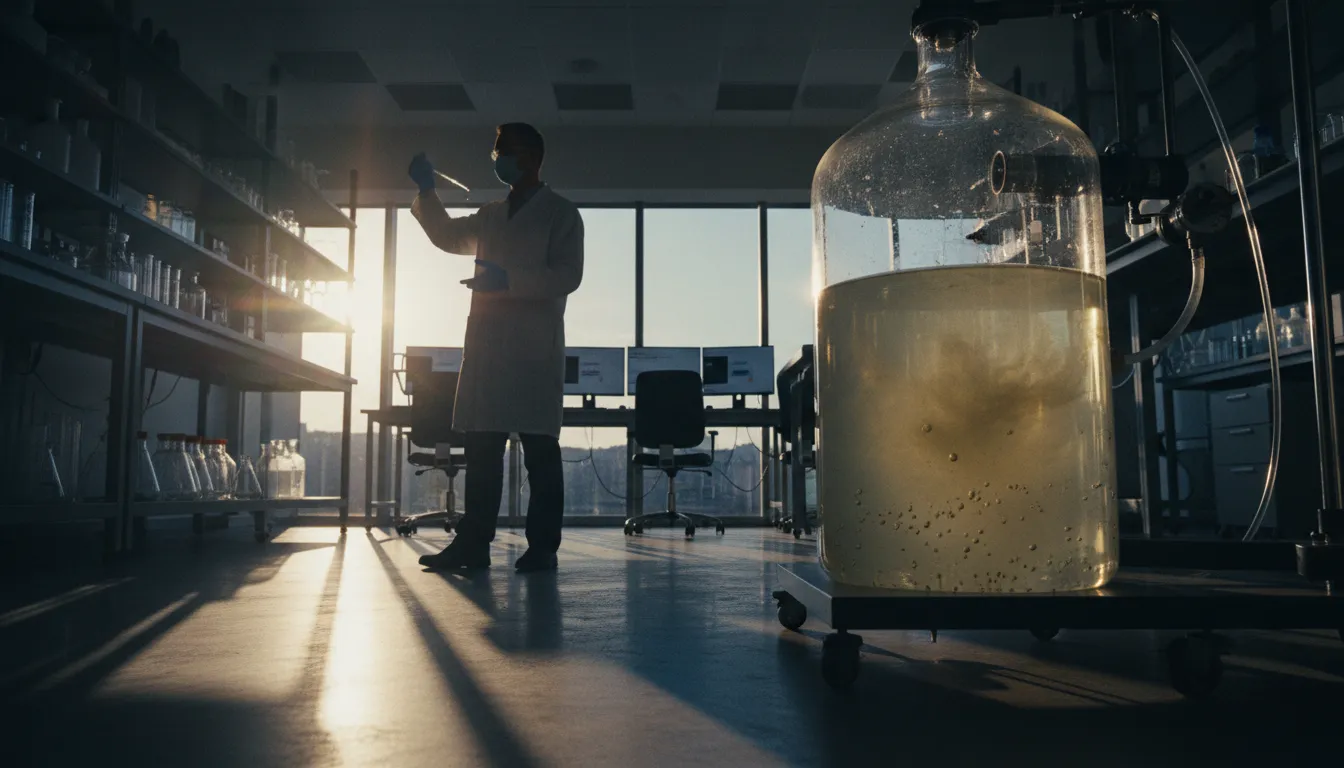
Cyclic peptides occupy a unique niche between small-molecule pills and large biologics. By locking amino acid chains into ring shapes, scientists crea...
We can't find the internet
Attempting to reconnect
Something went wrong!
Hang in there while we get back on track
115 articles with this tag
Science
Cyclic peptides occupy a unique niche between small-molecule pills and large biologics. By locking amino acid chains into ring shapes, scientists crea...
Science
Scientists are learning to freeze organs without destroying them, using vitrification and nanowarming to turn tissue into glass and bring it back. If...
Science
Chronic pain affects over a billion people worldwide, but scientists are finally mapping the hidden brain circuits that turn temporary pain into a per...
Health
Fatty liver disease (MASLD) affects nearly 40% of adults worldwide yet rarely shows symptoms until serious damage occurs. Here's how fat infiltrates t...
Health
Pancreatic cancer has one of the lowest survival rates of any major cancer. Deep inside the abdomen and nearly invisible in its early stages, it evade...
Science
Graphene oxide selectively destroys bacterial cells, including drug-resistant superbugs, while leaving human cells unharmed. Scientists have now pinpo...
Science
Men have had only three birth-control options for decades. A look at why developing new male contraceptives is so difficult, what approaches scientist...
Health
Tinnitus affects roughly one in seven adults worldwide, yet there is no cure. Here's how phantom sound originates in the brain, what triggers it, and...
Health
Pharmacogenomics explains why identical medications can cure one patient and harm another. By reading genetic variants in drug-metabolizing enzymes an...
Health
GLP-1 receptor agonists like semaglutide mimic a natural gut hormone to control blood sugar and appetite, but emerging research shows they also protec...
Science
Extracellular vesicles are tiny parcels released by nearly every cell in the body, carrying proteins, RNA, and lipids between cells. Scientists are no...
Science
Lipid nanoparticles are the microscopic delivery vehicles that made mRNA vaccines possible and are now revolutionizing gene therapy, cancer treatment,...
Enable notifications and we'll let you know when something new is published.