Artificial Intelligence

171 articles with this tag

Artificial intelligence is reshaping how we work, learn and communicate. Spotifero tracks language models, generative tools, EU AI regulation, and practical adoption in Slovak and Central European companies.

Quick facts

  • The EU AI Act became fully enforceable in 2026 and is the world's first comprehensive AI regulation.
  • Slovak businesses use AI most often in customer service, data analytics and content production.
  • The most widely deployed generative models are GPT-5, Claude Opus 4.7 and Gemini 2.5.
How Nonprofit-to-For-Profit Conversions Work Economy

How Nonprofit-to-For-Profit Conversions Work

When organizations like OpenAI shift from nonprofit to for-profit status, they trigger a complex legal process involving asset transfers, attorney gen...

Redakcia
How Humanoid Robots Work—and Why Factories Want Them Technology

How Humanoid Robots Work—and Why Factories Want Them

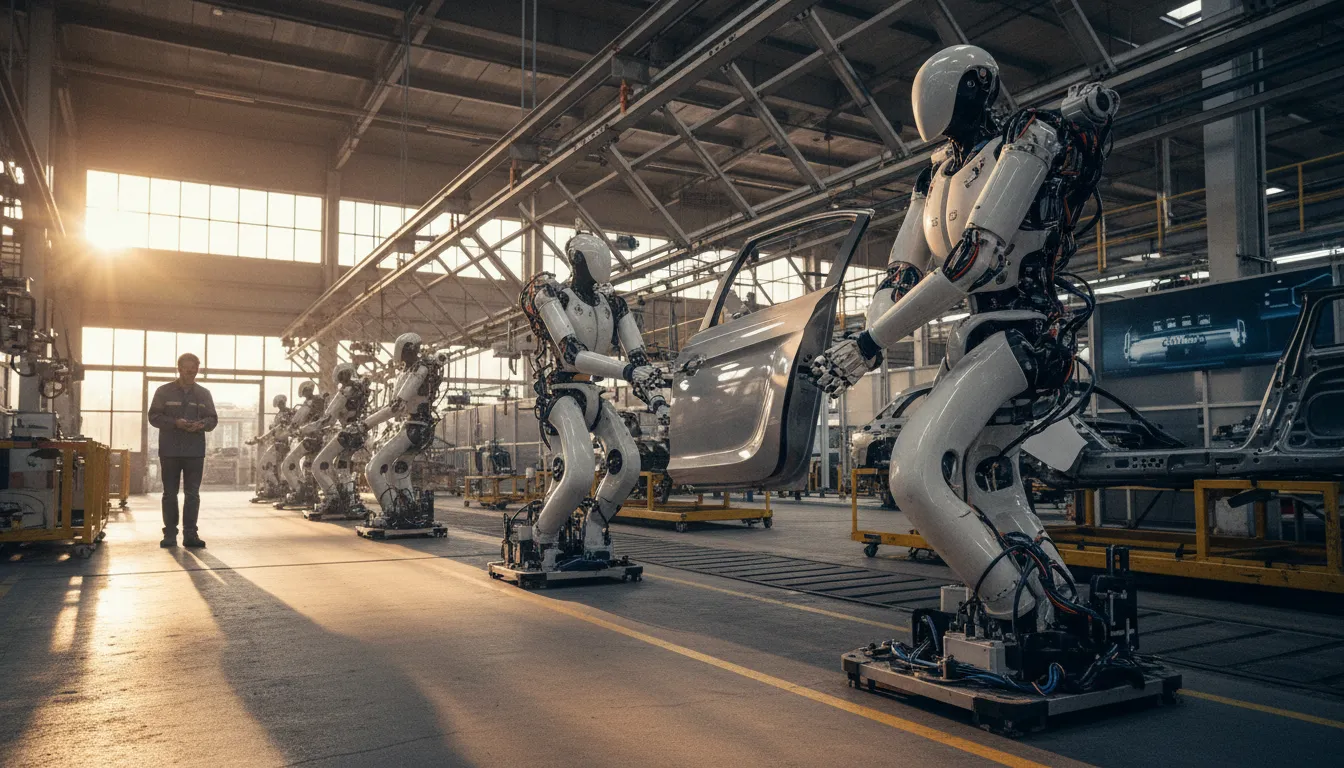
Humanoid robots are entering real factories for the first time. Here is how their actuators, sensors, and AI systems work—and why the human-shaped for...

Redakcia
How Pentagon AI Contracts Work—From Maven to Now Technology

How Pentagon AI Contracts Work—From Maven to Now

The U.S. military now relies on commercial AI for everything from drone analysis to battlefield targeting. Here is how Pentagon AI contracts work, why...

Redakcia
How Forensic Facial Reconstruction Works—Skull to Face Science

How Forensic Facial Reconstruction Works—Skull to Face

Forensic facial reconstruction turns bare skulls into lifelike faces using tissue-depth data, anatomy, and increasingly AI. From Richard III to Pompei...

Redakcia
How Mixture-of-Experts AI Models Work Technology

How Mixture-of-Experts AI Models Work

Mixture of Experts is the architecture behind today's most powerful AI models. By activating only a fraction of their parameters for each query, MoE m...

Redakcia
How Plasma Works—the Fourth State of Matter Science

How Plasma Works—the Fourth State of Matter

Plasma makes up more than 99% of the visible universe, yet most people have never heard of it. Here's how this superheated, electrically charged state...

Redakcia
How High Bandwidth Memory Works—the Chip AI Can't Live Without Technology

How High Bandwidth Memory Works—the Chip AI Can't Live Without

High Bandwidth Memory stacks DRAM dies vertically and connects them with thousands of through-silicon vias, delivering the massive data throughput tha...

Redakcia
How Robots Learn to Beat Humans at Sports Technology

How Robots Learn to Beat Humans at Sports

From table tennis to soccer, robots are using reinforcement learning and high-speed perception to compete against human athletes — a milestone that co...

Redakcia
How Sim-to-Real Transfer Works—Teaching Robots in Virtual Worlds Technology

How Sim-to-Real Transfer Works—Teaching Robots in Virtual Worlds

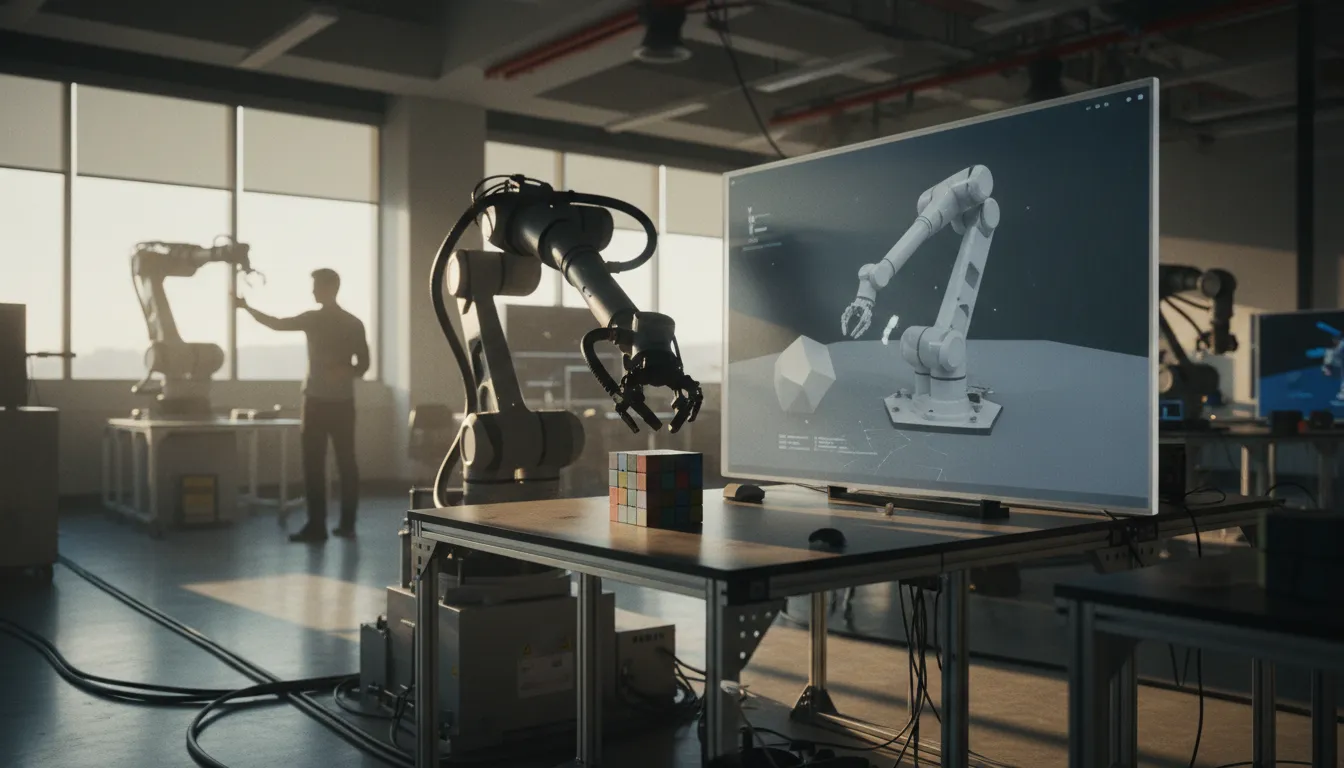
Sim-to-real transfer lets robots learn complex physical skills in virtual simulations before deploying them in the real world, bridging the 'reality g...

Redakcia
How Open-Weight AI Models Work—and Why They Matter Technology

How Open-Weight AI Models Work—and Why They Matter

Open-weight AI models release their trained parameters for anyone to download, inspect, and modify—democratizing access to powerful artificial intelli...

Redakcia
How Neuromorphic Chips Work—and Why They Matter Technology

How Neuromorphic Chips Work—and Why They Matter

Neuromorphic chips mimic the human brain's architecture to process information with a fraction of the energy used by conventional processors, offering...

Redakcia
How AI Chip Export Controls Work—and Why They Matter Technology

How AI Chip Export Controls Work—and Why They Matter

The U.S. uses a tiered export control system to restrict which countries can buy advanced AI chips, reshaping global technology competition and sparki...

Redakcia