Artemis II: NASA's First Crewed Moon Mission in 53 Years
NASA is counting down to the April 1 launch of Artemis II, sending four astronauts around the Moon aboard the Orion spacecraft — the first crewed lunar voyage since Apollo 17 in 1972.
Countdown Begins for a Historic Return
More than half a century after the last Apollo astronauts left the Moon's vicinity, NASA is on the verge of sending humans back. The agency began its official launch countdown on Monday, March 30, at 4:44 p.m. EDT, setting the stage for the Artemis II mission to lift off no earlier than Wednesday, April 1, at 6:24 p.m. EDT from Launch Complex 39B at Kennedy Space Center in Florida.
If all goes to plan, the 322-foot Space Launch System (SLS) rocket will propel the Orion spacecraft and its four-member crew on a roughly 700,000-mile, ten-day journey around the Moon — the first crewed lunar flyby since Apollo 17 in December 1972.
A Crew of Firsts
The Artemis II roster is historic in its own right. Commander Reid Wiseman, Pilot Victor Glover, and Mission Specialist Christina Koch represent NASA, while Mission Specialist Jeremy Hansen flies for the Canadian Space Agency. Together they will shatter several barriers: Glover will become the first person of color, Koch the first woman, and Hansen the first non-American to travel beyond low Earth orbit.
The crew entered quarantine on March 18 at Johnson Space Center in Houston, then flew T-38 jets to Kennedy Space Center on March 27 to complete final preparations. "Hey, let's go to the Moon!" Commander Wiseman told reporters upon arrival, capturing the team's evident excitement.
Mission Profile and Objectives
Artemis II is designed as a critical shakedown flight for the hardware that will eventually land astronauts on the lunar surface during Artemis III. After launch, the crew will spend roughly 24 hours orbiting Earth while testing Orion's life-support and navigation systems. The spacecraft will then fire its engines to enter a free-return trajectory around the Moon, passing within approximately 4,100 miles of the lunar surface on April 6 before swinging back toward Earth.
Splashdown is expected in the Pacific Ocean near San Diego on April 10. Throughout the flight, the crew will evaluate communication systems, radiation monitoring equipment, and manual piloting procedures that future Artemis missions will rely on.
Green Lights Across the Board
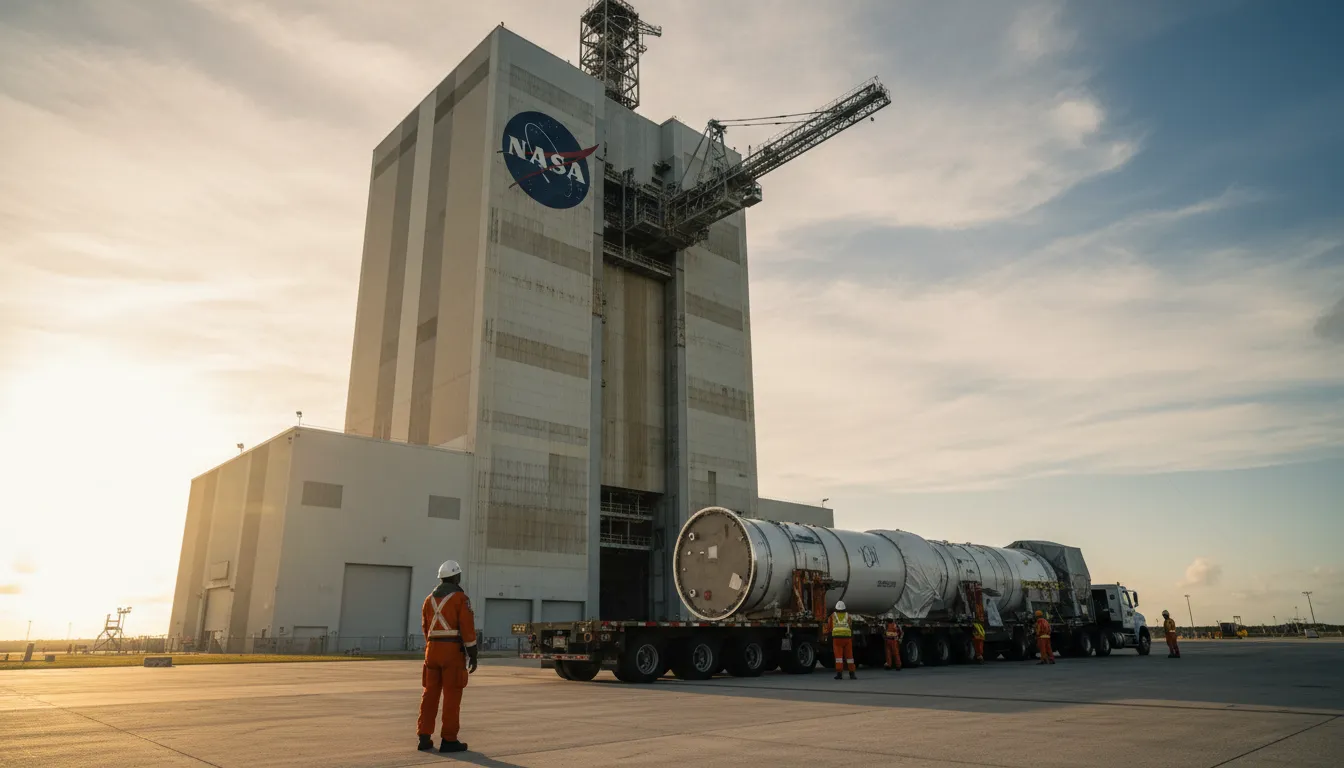
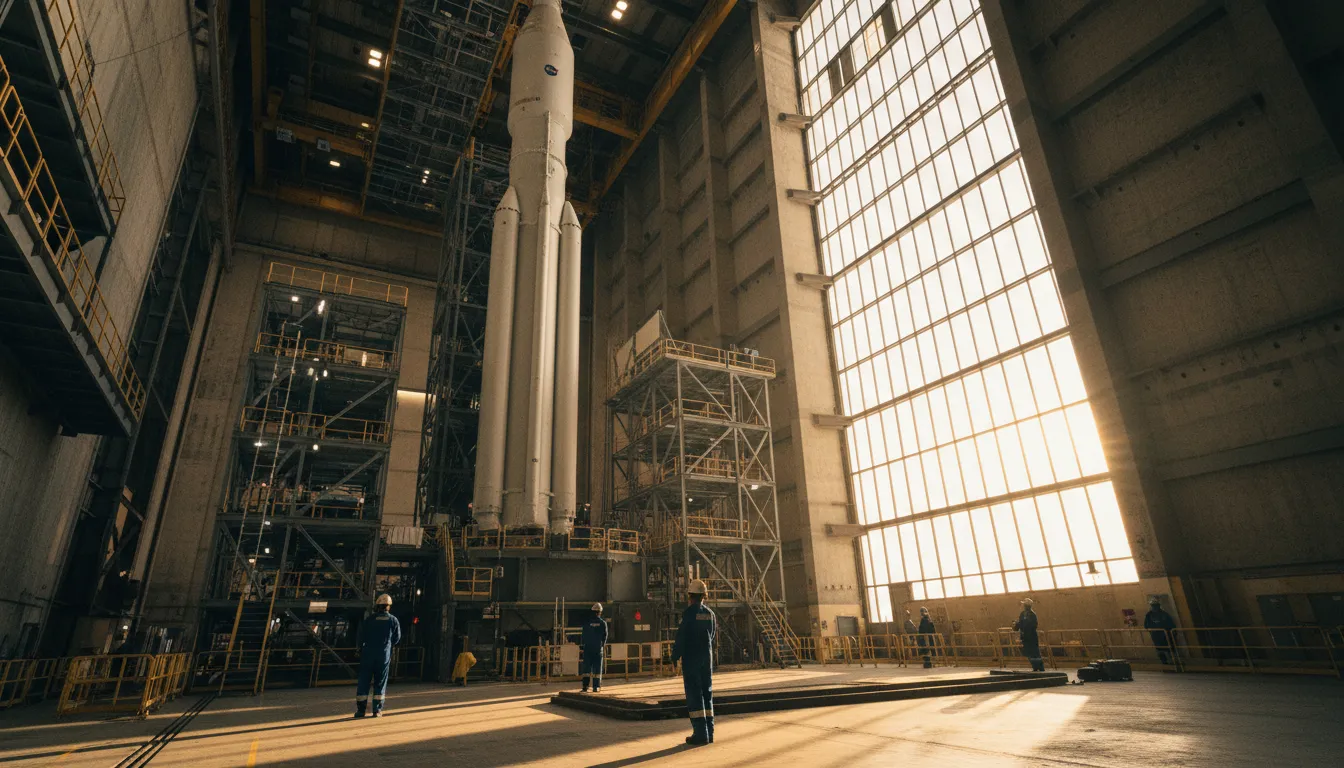
NASA reports no significant technical issues heading into the countdown. The SLS rocket — combined with its mobile launch platform and Orion capsule, weighing a staggering 11 million pounds — rolled out to Pad 39B on a crawler transporter in January. Engineers have since completed pad-specific tests including ordnance connectivity checks on the flight termination system and radio-frequency verification for both the core stage and Orion.
Weather forecasts show an 80 percent chance of favorable conditions on launch day, with cloud cover and high winds flagged as the main concerns. Should the April 1 window close, NASA has backup opportunities through Monday, April 6. After that, orbital mechanics would push the next attempt roughly four weeks later.
The Road Ahead
Artemis II is the second flight of NASA's Artemis program — following the uncrewed Artemis I demonstration in late 2022 — and a pivotal stepping stone toward returning boots to the lunar surface. A successful mission would validate the spacecraft systems needed for Artemis III, currently targeting a crewed lunar landing as early as 2028.
For now, all eyes are on Pad 39B and a Wednesday evening liftoff that promises to mark a new chapter in human space exploration — more than five decades in the making.