Science

Vedecké objavy a výskum

How Your Sense of Smell Works—From Nose to Brain Science

How Your Sense of Smell Works—From Nose to Brain

The human olfactory system detects thousands of odors using around 400 types of receptors that create unique neural patterns, connecting directly to b...

Redakcia 7
How the Chernobyl Sarcophagus Works—and What's Inside Science

How the Chernobyl Sarcophagus Works—and What's Inside

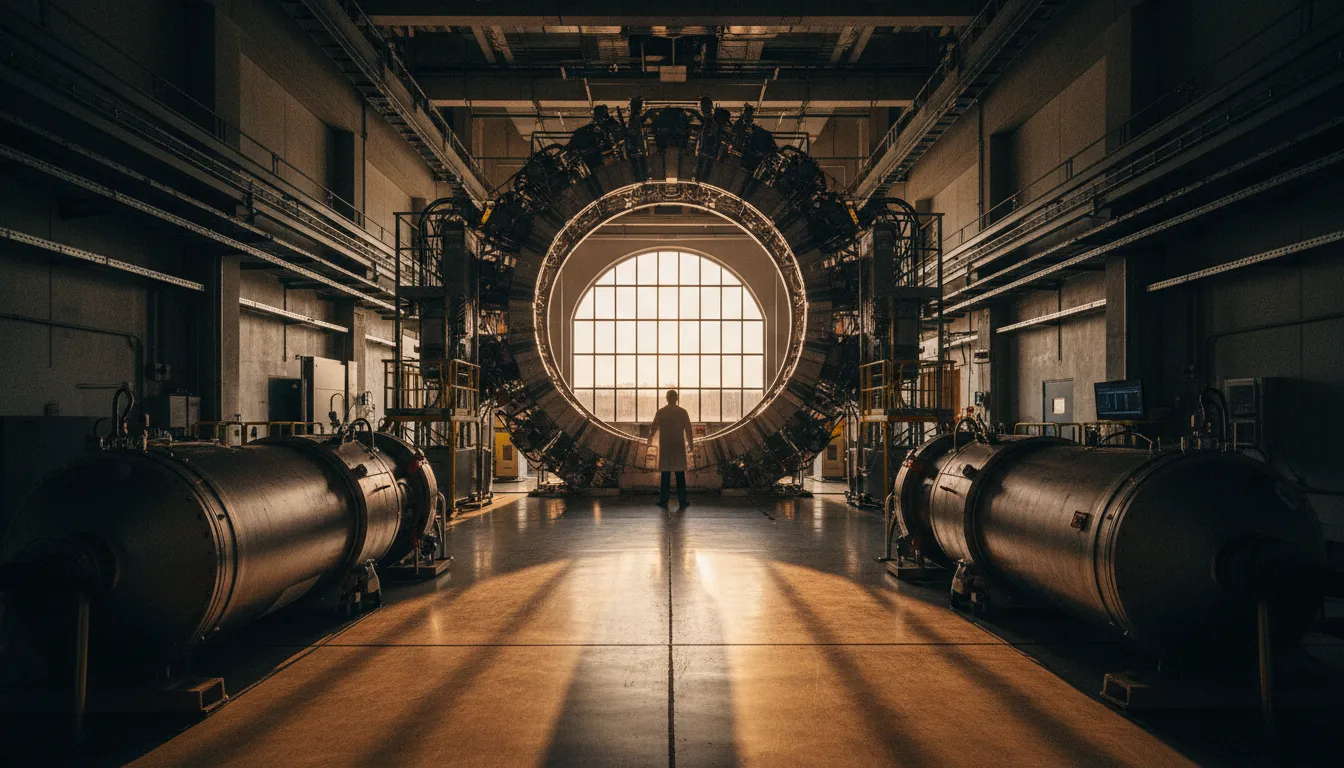
The Chernobyl New Safe Confinement is the largest moveable land-based structure ever built, an engineering marvel designed to seal 200 tons of radioac...

Redakcia 2
How Scientists Size Up Giant Prehistoric Snakes Science

How Scientists Size Up Giant Prehistoric Snakes

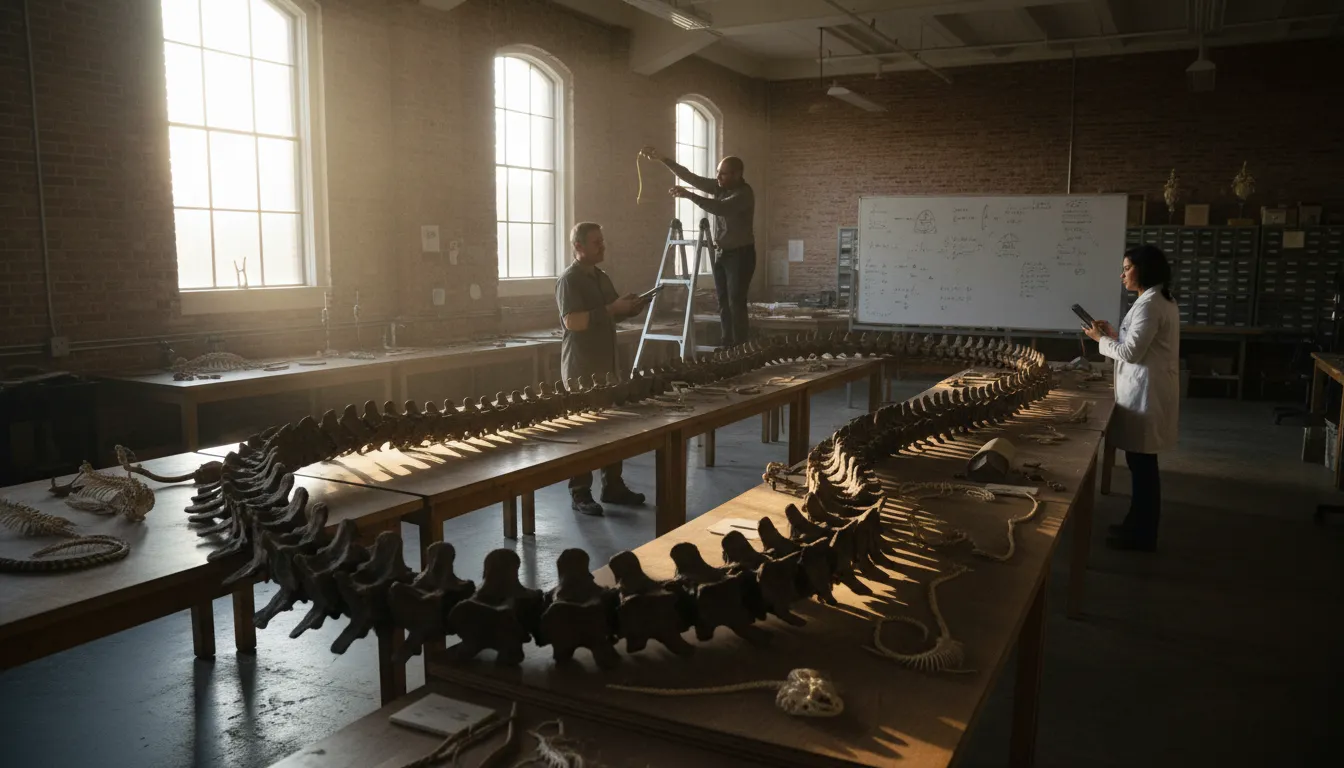
Paleontologists reconstruct the length and mass of ancient mega-snakes like Titanoboa and Vasuki indicus from a handful of fossilized vertebrae, using...

Redakcia 2
How NASA's Artemis Program Works—Moon and Beyond Science

How NASA's Artemis Program Works—Moon and Beyond

NASA's Artemis program aims to return humans to the Moon and eventually reach Mars. Here's how SLS, Orion, and commercial landers work together to mak...

Redakcia 2
Why Neanderthals Went Extinct—and What DNA Reveals Science

Why Neanderthals Went Extinct—and What DNA Reveals

Neanderthals survived for over 300,000 years before vanishing roughly 40,000 years ago. Scientists now believe their extinction resulted from a combin...

Redakcia 9
How Cyclic Peptides Work—and Why They Make Better Drugs Science

How Cyclic Peptides Work—and Why They Make Better Drugs

Cyclic peptides occupy a unique niche between small-molecule pills and large biologics. By locking amino acid chains into ring shapes, scientists crea...

Redakcia 5
How Soft Tissue Survives Inside Dinosaur Fossils Science

How Soft Tissue Survives Inside Dinosaur Fossils

Scientists have found blood vessels, proteins, and flexible tissue inside bones millions of years old. Here is how iron chemistry, mineral sealing, an...

Redakcia 6
How Forensic Facial Reconstruction Works—Skull to Face Science

How Forensic Facial Reconstruction Works—Skull to Face

Forensic facial reconstruction turns bare skulls into lifelike faces using tissue-depth data, anatomy, and increasingly AI. From Richard III to Pompei...

Redakcia 3
How Organ Cryopreservation Works—and Why It Matters Science

How Organ Cryopreservation Works—and Why It Matters

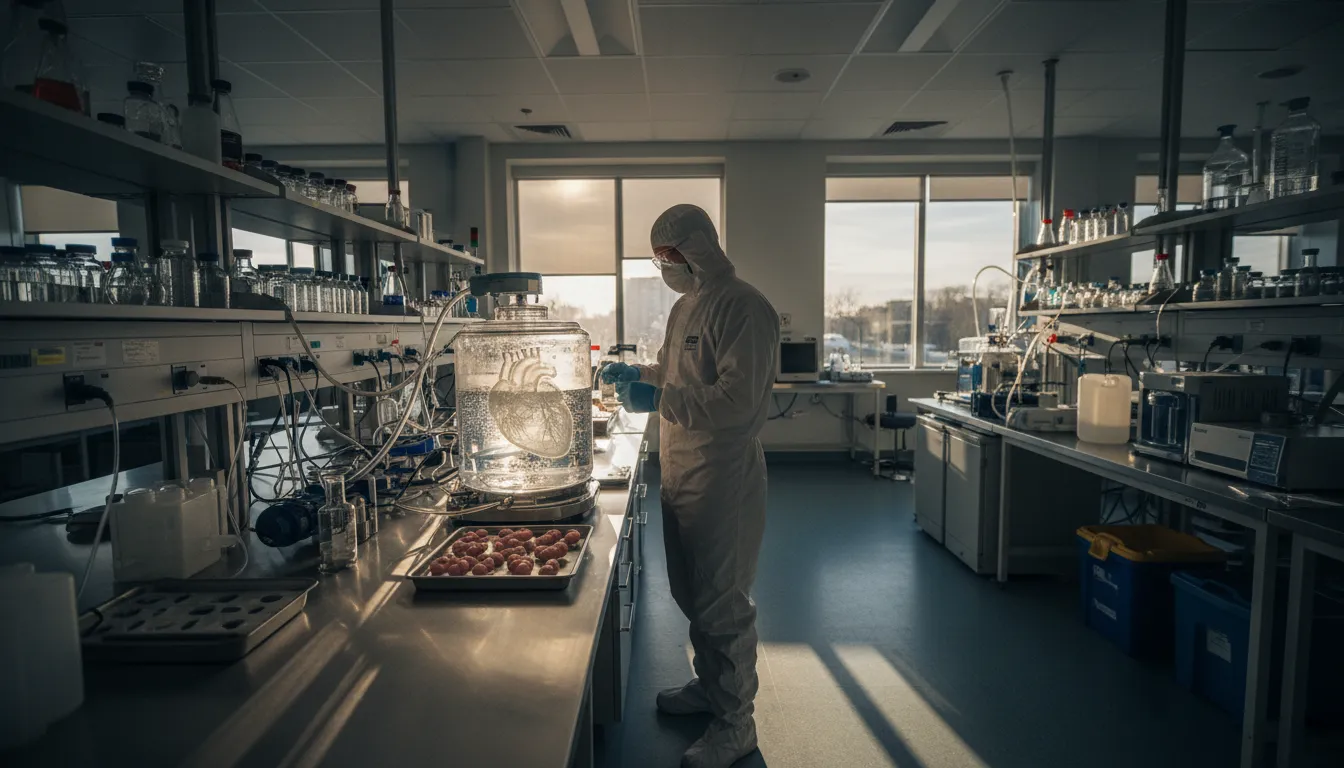
Scientists are learning to freeze organs without destroying them, using vitrification and nanowarming to turn tissue into glass and bring it back. If...

Redakcia 4
How Plants Make Sound—Ultrasonic Clicks You Can't Hear Science

How Plants Make Sound—Ultrasonic Clicks You Can't Hear

Stressed plants emit ultrasonic clicking sounds through a process called xylem cavitation. Recent research shows these clicks carry information about...

Redakcia 7
How Uranium Enrichment Works—From Ore to Bomb Science

How Uranium Enrichment Works—From Ore to Bomb

Uranium enrichment is the process of increasing the concentration of uranium-235 in natural uranium, enabling both nuclear power and nuclear weapons....

Redakcia 7
How Plasma Works—the Fourth State of Matter Science

How Plasma Works—the Fourth State of Matter

Plasma makes up more than 99% of the visible universe, yet most people have never heard of it. Here's how this superheated, electrically charged state...

Redakcia 14