Bangladesh Elections 2026: BNP Wins Landslide Victory in First Polls Since Hasina's Ouster
The Bangladesh Nationalist Party (BNP) has won a commanding two-thirds majority with 212 out of 299 seats in Bangladesh's historic elections. Tarique Rahman, son of late PM Khaleda Zia, is set to become prime minister after returning from exile. Vote
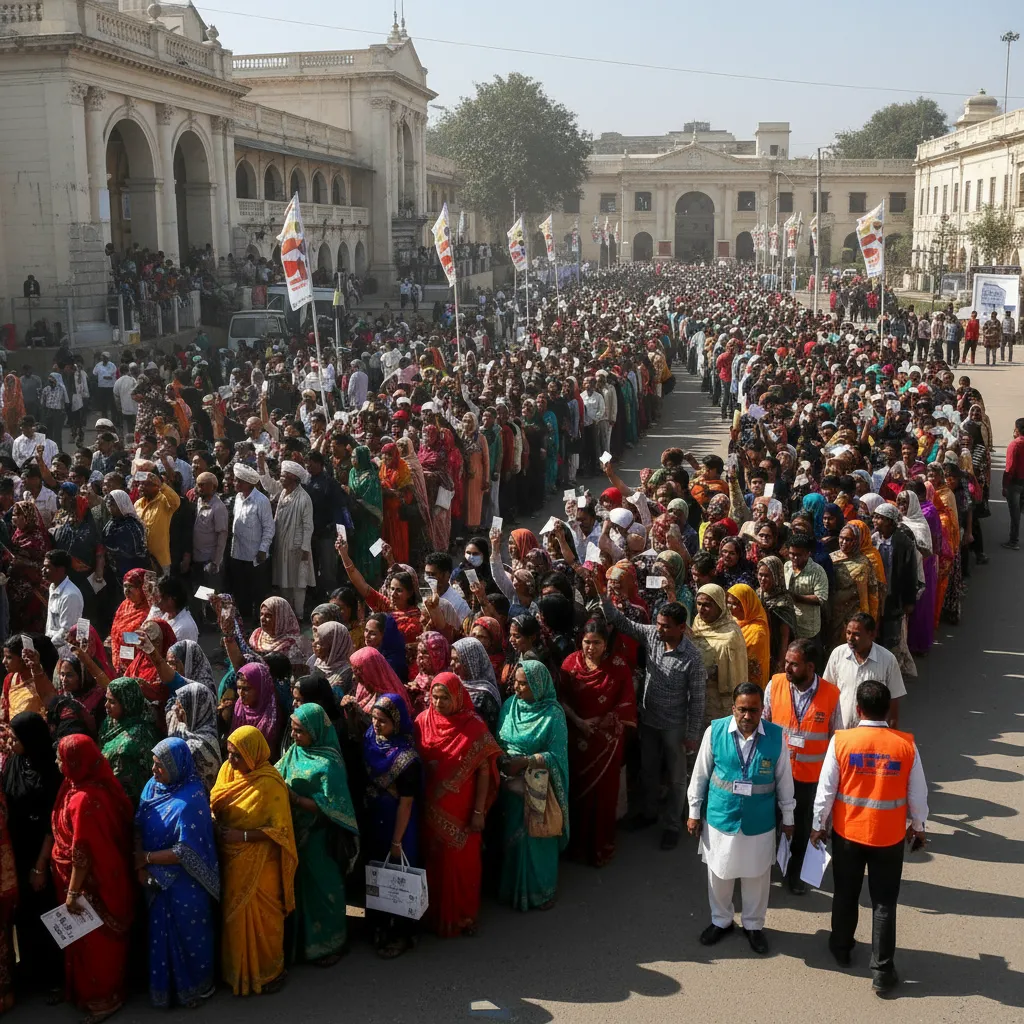
The Bangladesh Nationalist Party (BNP) has swept to a commanding victory in the country's first elections since the 2024 student-led uprising that ousted the government of Sheikh Hasina. With a two-thirds majority in parliament, the BNP is poised to reshape Bangladesh's political landscape under new leadership.
Election Results
The BNP alliance won 212 seats out of the 299 parliamentary seats contested, according to the Electoral Commission. The Jamaat-e-Islami-led alliance emerged as the main opposition with 77 seats, registering its strongest electoral performance in Bangladesh's history. Voter turnout reached 59.88 percent in what observers described as one of the most peaceful and credible elections in decades.
Tarique Rahman Returns
Tarique Rahman, the 60-year-old son of the late former Prime Minister Khaleda Zia, is set to become Bangladesh's next prime minister. Rahman returned to Bangladesh from self-imposed exile in the United Kingdom weeks before the elections, having fled the country in 2008 after what he described as politically motivated persecution under the Hasina government.
In his first major address after the results, Rahman appealed for national unity and pledged to work toward rebuilding democratic institutions that had eroded during the previous government's 15-year rule.
Context: Post-Hasina Bangladesh
The elections follow a tumultuous period in Bangladeshi politics. In August 2024, a student-led revolution ended Sheikh Hasina's increasingly authoritarian rule, forcing her to flee to India. An interim government supervised the transition to democratic elections.
Hasina's Awami League party was barred from participating in the polls, a controversial decision that some critics argued narrowed the democratic space even as it responded to public demands for accountability.
Regional and Global Implications
The election result reshapes South Asian geopolitics. Bangladesh, the world's eighth most populous country, plays a crucial role in regional trade, the global garment industry supply chain, and strategic competition between major powers in the Indo-Pacific region.
The BNP's foreign policy orientation traditionally differs from the Awami League's, particularly regarding relations with India, China, and Western nations. How Rahman navigates these relationships will have significant implications for regional stability.
Challenges Ahead
The new government faces enormous challenges including economic stabilization, institutional reform, addressing climate vulnerability, and managing the expectations of a young, politically mobilized population that drove the 2024 revolution. Whether the BNP's supermajority leads to genuine democratic renewal or merely replaces one dominant party with another remains to be seen.
Sources: Al Jazeera, The Daily Star, BSS News