Cuba's Energy Crisis Deepens as US Oil Blockade Triggers Island-Wide Blackouts
Cuba faces a severe energy crisis after the United States imposed an oil blockade following the ouster of Venezuela's Maduro. Satellite imagery shows nighttime light has dropped up to 50 percent across the island. Hospitals cancel surgeries, airlines
Cuba is experiencing its worst energy crisis in decades as a US-imposed oil blockade brings the Caribbean island nation to the brink of systemic collapse. Rolling blackouts, suspended airline operations, and overwhelmed hospitals paint a picture of humanitarian emergency that has drawn international condemnation.
Origins of the Crisis
The crisis began on January 3, 2026, after US forces ousted Venezuelan leader Nicolas Maduro, a key ally of the Cuban government and the island's primary oil supplier. President Trump subsequently threatened tariffs on any country that sends oil to Cuba, labeling the island "an unusual and extraordinary threat" to US national security.
Mexico, another oil supplier to Cuba, suspended its shipments after Trump threatened tariffs on Mexican exports to the United States. The combined effect has cut Cuba off from its primary energy sources.
Impact on Daily Life
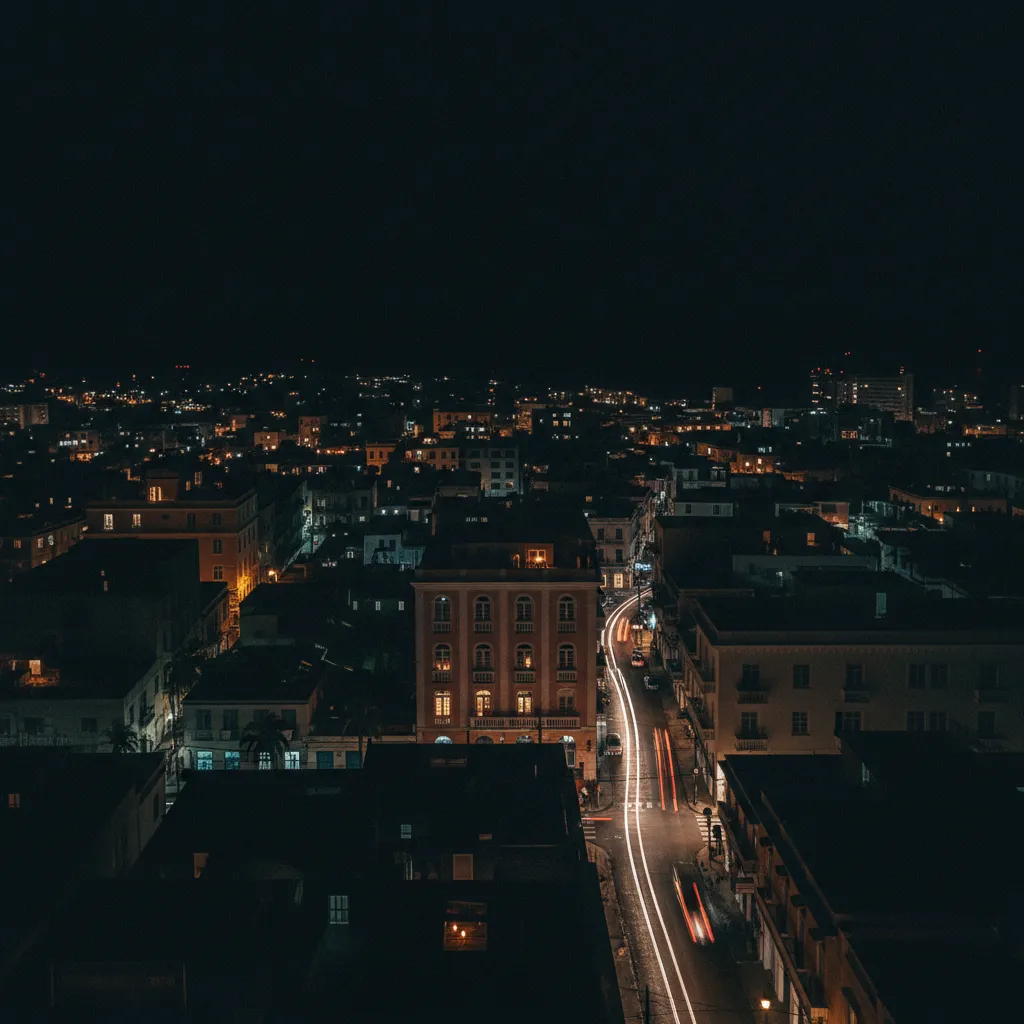
A Bloomberg News analysis of satellite imagery reveals that nighttime light levels have dropped as much as 50 percent across the island, with major eastern cities like Santiago de Cuba and Holguin seeing the steepest declines. Rolling blackouts affect millions of citizens daily.
The energy shortage has cascaded into every sector of Cuban society. Hospitals have been forced to cancel surgeries and outpatient transfers. Cuba notified airlines that it would suspend the provision of jet fuel for one month, with carriers flying to and from the island unable to refuel there. Air Canada has already suspended flights.
Food and Economic Crisis
Beyond electricity, the fuel shortage has crippled transportation, agriculture, and food distribution. Cubans face simultaneous blackouts and food shortages as the blockade paralyzes the economy. Tourism, a vital source of foreign currency, has plummeted as visitors flee the deteriorating conditions.
International Response
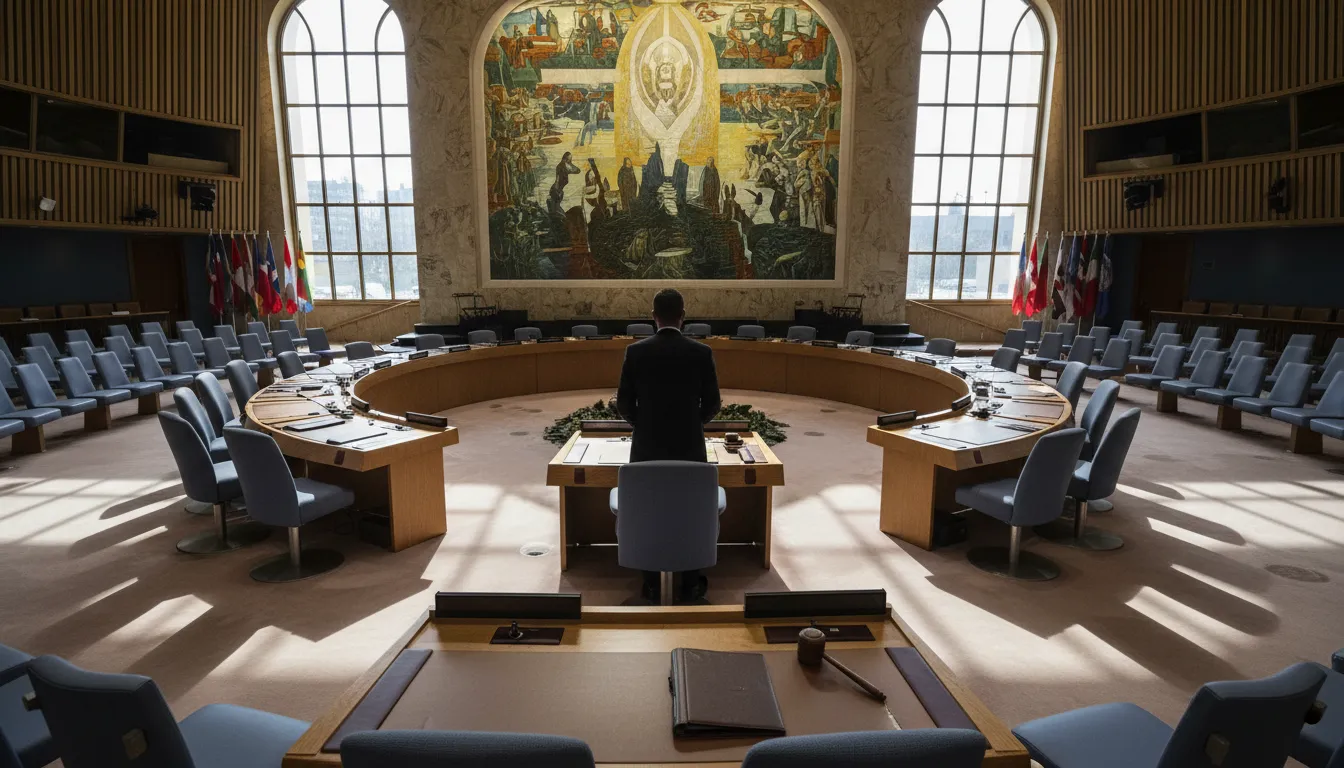
UN experts have condemned the US executive order imposing the fuel blockade on Cuba, calling it a violation of international law. Cuba's UN Ambassador denounced what he called a "policy of aggression" aimed at toppling the government. The Cuban government is rationing fuel, cutting transport and tourism operations, and seeking alternative supply sources.
In response to the crisis, Cuba has announced plans to ramp up solar energy generation and use renewable resources to ensure electricity for vital services including hospitals, elderly care centers, and isolated regions.
Geopolitical Context
The Cuban energy crisis is part of a broader US strategy of maximum pressure in Latin America following the intervention in Venezuela. The situation has created diplomatic tensions between Washington and several Latin American and European governments that view the blockade as disproportionate.
Sources: OilPrice, Al Jazeera, Bloomberg, UN OHCHR