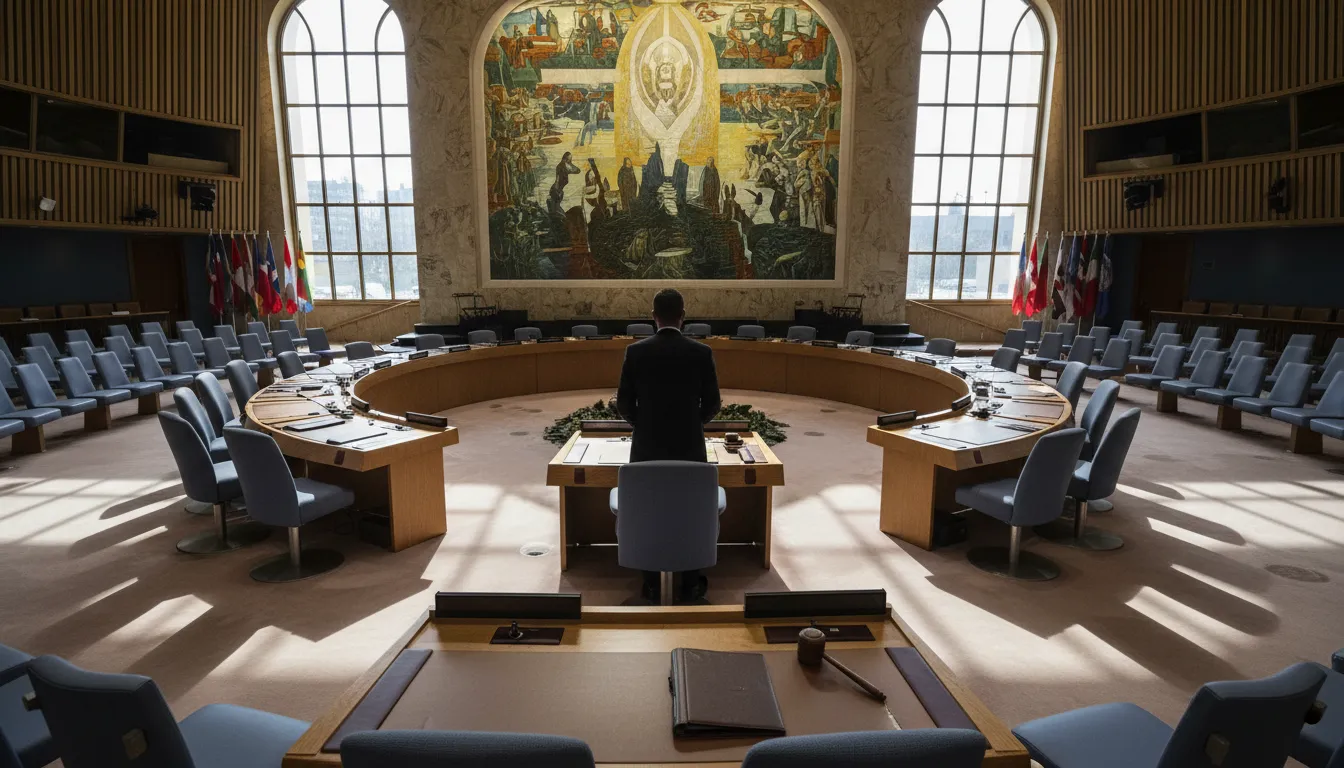
Europe Races to Rearm With €800 Billion Defense Plan
Germany and the UK's top military commanders have issued a rare joint public appeal urging Europeans to accept the costs of rearmament, as the EU mobilizes €800 billion in defense spending by 2030 to deter Russia.
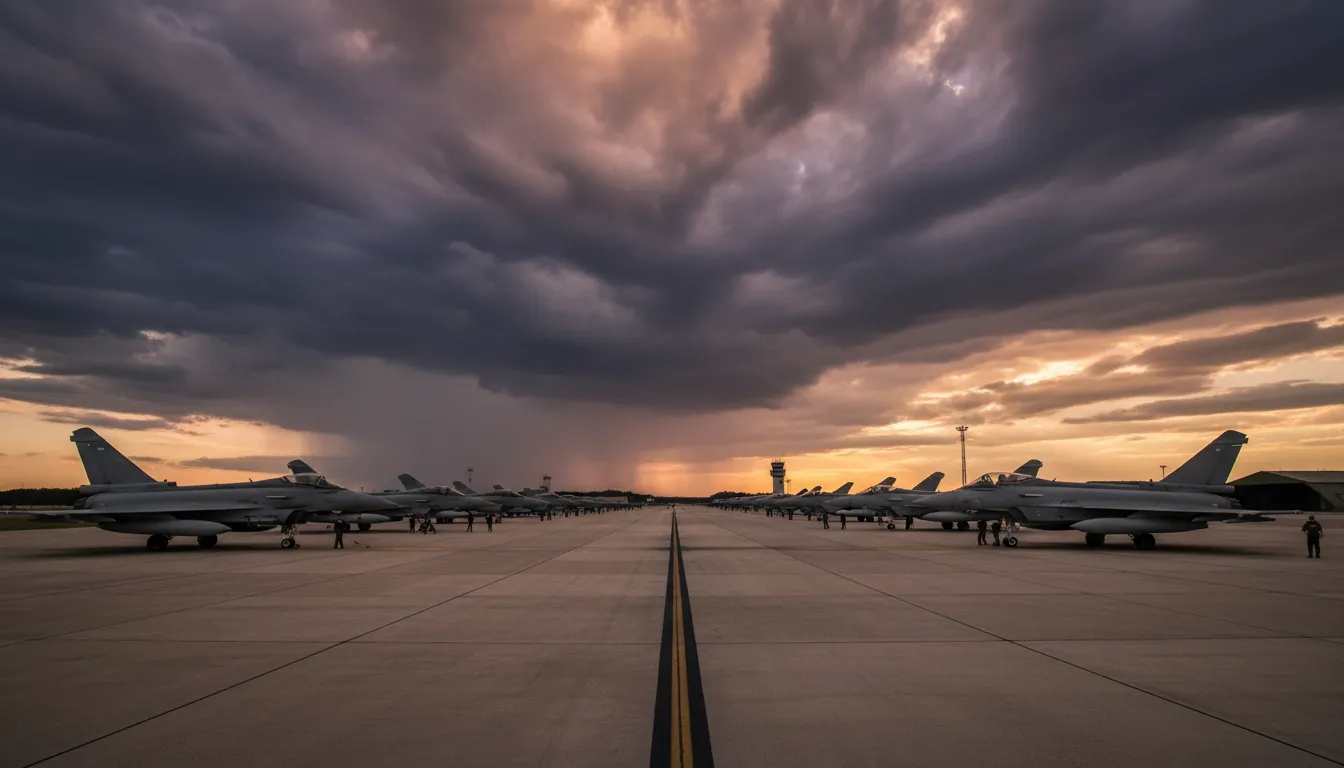
A Joint Warning From Europe's Military Chiefs
In a rare and unprecedented move, the chiefs of the armed forces of Germany and the United Kingdom published a joint public statement on February 15, warning European citizens that "hard choices" lie ahead. Gen. Carsten Breuer, Germany's chief of defense, and Air Marshal Sir Richard Knighton, the UK's chief of defense staff, wrote that "Moscow's military buildup, combined with its willingness to wage war on our continent, as painfully evidenced in Ukraine, represents an increased risk that demands our collective attention."
The statement, published simultaneously in The Guardian and Die Welt, marks a striking departure from the usual military protocol of staying behind closed doors. The two commanders argued that the threats Europe faces "demand a step change in our defence and security" and called on the public to accept the moral case for rearmament, even if it means difficult tradeoffs in government budgets.
The ReArm Europe Plan: €800 Billion by 2030
The appeal comes against the backdrop of the European Commission's ambitious ReArm Europe/Readiness 2030 plan, presented by Commission President Ursula von der Leyen in March 2025. The plan aims to mobilize over €800 billion in additional defense investment by the end of the decade through two main pillars.
The first is fiscal flexibility, which suspends EU budget rules to allow member states to increase defense spending without triggering deficit penalties, potentially unlocking €650 billion over four years. The second is SAFE (Security Action for Europe), a new €150 billion loan instrument for joint procurement of defense equipment. The plan also sets a target of sourcing 65% of defense equipment from EU, Norwegian, or Ukrainian firms, formally integrating Ukraine into Europe's defense industrial ecosystem.
EU-27 defense expenditure reached €343 billion in 2024, with projections hitting €381 billion in 2025, surpassing NATO's 2% of GDP benchmark for the first time as a bloc.
Germany and the UK Lead the Charge
Germany has committed to one of the most significant military investment programs in post-war history. Berlin allocated €108 billion for defense in 2026, equivalent to 2.5% of GDP and more than double its 2021 budget. Chancellor Friedrich Merz has declared the goal of making the Bundeswehr "the strongest conventional army in Europe," with spending set to reach 3.5% of GDP by 2029. The country is repositioning troops near its eastern border and plans to expand its active-duty forces from 184,000 to 260,000 by 2035.
Britain, meanwhile, is investing £1.5 billion to build at least six new munitions and energetics factories, with sites planned in Scotland, northeast England, and Wales. The UK also announced plans for 12 new nuclear-powered submarines, up to 7,000 domestically built long-range weapons, and a target of raising defense spending to 2.5% of GDP by 2027. The Royal Navy is deploying the aircraft carrier HMS Prince of Wales to the North Atlantic and Arctic to deter Russian aggression and protect undersea infrastructure.
Public Skepticism Remains a Hurdle
Despite the urgency projected by military leaders, public resistance poses a significant challenge. Only about 25% of Britons favor higher taxes to fund defense, and in Germany, just 24% support increased defense spending if it comes at the expense of other programs. Yet the trajectory is shifting: German polling shows defense spending approval rising from 58% to 65% in a single year, with 84% of Germans now doubting U.S. security guarantees and 57% supporting a European army concept.
NATO leaders have committed to spending 5% of GDP on defense by 2035, a target that would have seemed inconceivable just a few years ago. As Europe embarks on its largest rearmament since the Cold War, the central question is no longer whether the continent will invest in its own security, but whether it can do so fast enough.