European Defense Spending Surges: NATO Sets 5 Percent GDP Target for 2035
European defense investment grew 42 percent in 2024 to a record 106 billion euros and is projected to reach 130 billion in 2025. At the 2025 Hague Summit, NATO allies committed to spending 5 percent of GDP on defense by 2035 with a 3.5 percent floor.
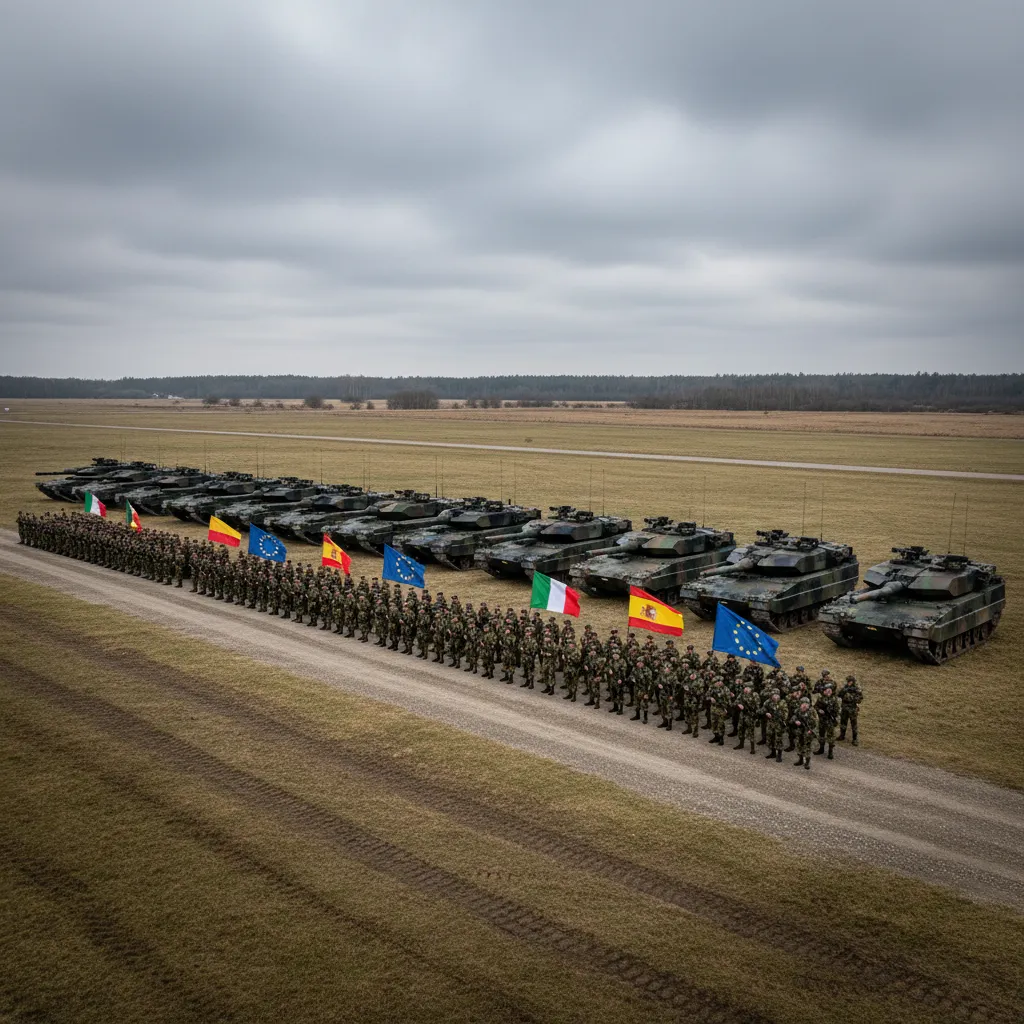
European NATO members are undergoing the most dramatic defense spending increase since the Cold War. Driven by the ongoing conflict in Ukraine, rising geopolitical tensions, and questions about American security commitments, European governments are pouring unprecedented resources into military capabilities.
Record Investment Growth
European defense investments grew at an exceptional rate in 2024, increasing by 42 percent compared to 2023 and reaching a record high of 106 billion euros. The trend is accelerating, with defense investment projected to reach nearly 130 billion euros in 2025, representing sustained double-digit growth across the continent.
NATO's New Ambitions
At the 2025 NATO Summit in The Hague, allies made a historic commitment to investing 5 percent of gross domestic product annually on core defense requirements and defense-and-security-related spending by 2035. The intermediate target calls for allocating at least 3.5 percent of GDP to defense expenditure by 2035.
NATO's common funded budgets for 2026 reflect this ambition: the Civil Budget has been set at 528.2 million euros, the Military Budget at 2.42 billion euros, and overall common funds reaching up to 5.3 billion euros, up from 4.6 billion in 2025.
National Commitments
Several European nations have announced substantial increases for 2026. The Netherlands will boost its defense budget to 27 billion euros and aims to meet NATO's 3.5 percent target by 2035. Estonia, on NATO's front line with Russia, aims to increase defense spending to at least 5.0 percent of GDP from 2026, setting the pace for other allies.
Industrial and Economic Impact
The spending surge is reshaping European industrial policy. Defense companies across the continent are expanding production capacity, hiring thousands of workers, and investing in new technologies. The defense sector is becoming a significant driver of economic growth, innovation, and employment in many European countries.
The macroeconomic impact of increased defense spending is also becoming a topic of analysis. Some economists argue that well-targeted defense investment can generate positive multiplier effects for the broader economy, while others warn about the opportunity costs of diverting resources from social spending and civilian infrastructure.
Transatlantic Dynamics
The spending surge comes against the backdrop of evolving transatlantic relations. European leaders are increasingly recognizing that they cannot rely solely on American security guarantees and must develop greater strategic autonomy. This was underscored at the Munich Security Conference where discussions about a European nuclear deterrent gained unprecedented momentum.
US and European defense dealmaking has also spiked, with cross-Atlantic mergers, acquisitions, and joint ventures reaching record levels as the two sides of the alliance deepen their industrial cooperation.
Sources: NATO, EU Council, McKinsey, NATO Budget