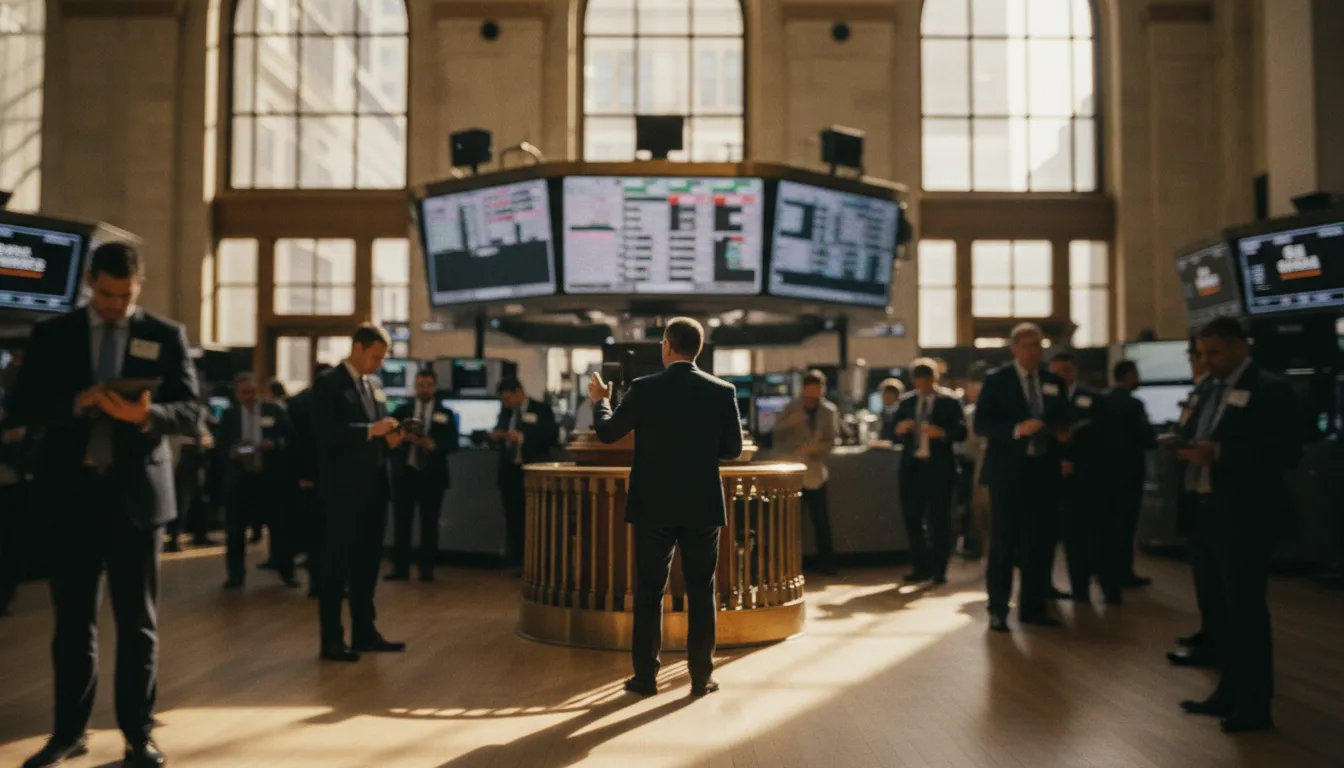
How Tech IPOs Work—From Filing to First Trade
A step-by-step explainer of how technology companies go public through an initial public offering, from SEC registration and roadshows to pricing, lock-up periods, and alternatives like direct listings.

Why Tech IPOs Capture Global Attention
When a major technology company announces plans to go public, it dominates financial headlines for months. An initial public offering (IPO) is the process by which a private company sells shares to the public for the first time, listing them on a stock exchange. For tech firms—often fueled by years of venture capital—it represents a pivotal moment: a chance to raise massive capital, reward early investors, and invite public scrutiny of their finances.
From Google's unconventional auction in 2004 to Alibaba's record-breaking $25 billion offering in 2014, tech IPOs have reshaped markets. With companies like OpenAI reportedly eyeing a public listing, understanding the mechanics behind this process has never been more relevant.
Step 1: Assembling the Team
Long before any shares trade, the company assembles a team of advisors. Underwriters—typically major investment banks like Goldman Sachs or Morgan Stanley—lead the effort. They help determine the company's valuation, structure the offering, and sell shares to institutional investors. Lawyers, auditors, and accountants join to ensure compliance with securities regulations.
The company's chief financial officer usually quarterbacks the process, while the chief accounting officer ensures financial statements can withstand public scrutiny. This preparation phase alone can take six months to a year, according to NetSuite's IPO guide.
Step 2: SEC Registration and the S-1 Filing
In the United States, companies must file a Form S-1 registration statement with the Securities and Exchange Commission (SEC). This document is the backbone of the IPO—it discloses the company's business model, financial performance, risk factors, management team, and how the raised capital will be used.
The SEC reviews the filing and may request revisions. For tech companies burning cash at high rates, this section often reveals uncomfortable truths. The S-1 is publicly accessible through the SEC's EDGAR database, allowing anyone to scrutinize the company's numbers.
Step 3: The Roadshow
Once the SEC clears the registration, the company embarks on a roadshow—a series of presentations to institutional investors across major financial centers. Executives pitch the company's growth story, answer tough questions, and gauge demand for shares. The roadshow typically lasts one to two weeks and is critical for building momentum.
This phase also helps underwriters estimate how many shares investors want and at what price, a process called book building.
Step 4: Pricing and the First Trade
The night before trading begins, underwriters set the final offering price. This is a delicate balance: too low, and the company leaves money on the table; too high, and the stock may sink on its first day, damaging confidence. Research shows that IPOs are frequently underpriced—shares often jump 10–20% on day one, benefiting institutional investors who got in at the offering price.
Facebook's 2012 IPO illustrates the stakes. Priced at $38 per share with a $96 billion valuation, it raised $16 billion—but the stock barely moved on day one and fell below the offering price within days, according to Dealroom.
The Lock-Up Period
After an IPO, company insiders—founders, employees, and venture capital backers—are typically barred from selling their shares for 90 to 180 days. These lock-up agreements are not required by the SEC but are self-imposed to prevent a flood of shares from crashing the stock price. When the lock-up expires, markets often see increased volatility as insiders take profits, according to the SEC's investor education site.
Alternatives: Direct Listings and Auctions
Not every company follows the traditional path. Spotify bypassed underwriters entirely in 2018 with a direct listing, allowing existing shareholders to sell directly on the exchange without issuing new shares. This approach avoids hefty underwriting fees—typically 3–7% of the capital raised—but forgoes the price support underwriters provide.
Google used a Dutch auction in 2004, letting investors bid for shares and setting the price based on demand. The method was meant to democratize access but proved cumbersome; no major company has used it since 2013.
Why It Matters for Investors
Tech IPOs can generate enormous returns—or devastating losses. Understanding the process helps investors evaluate whether a newly public company's valuation is justified or inflated by hype. As the next wave of AI companies prepares for public markets, the fundamentals of how IPOs work remain essential knowledge for anyone watching—or investing in—the technology sector.