How Urban Evolution Works—Animals Adapting to Cities
Cities are driving rapid genetic and behavioral changes in wildlife. From lizards with bigger toe pads to mice that digest junk food, urban evolution is reshaping species in real time.
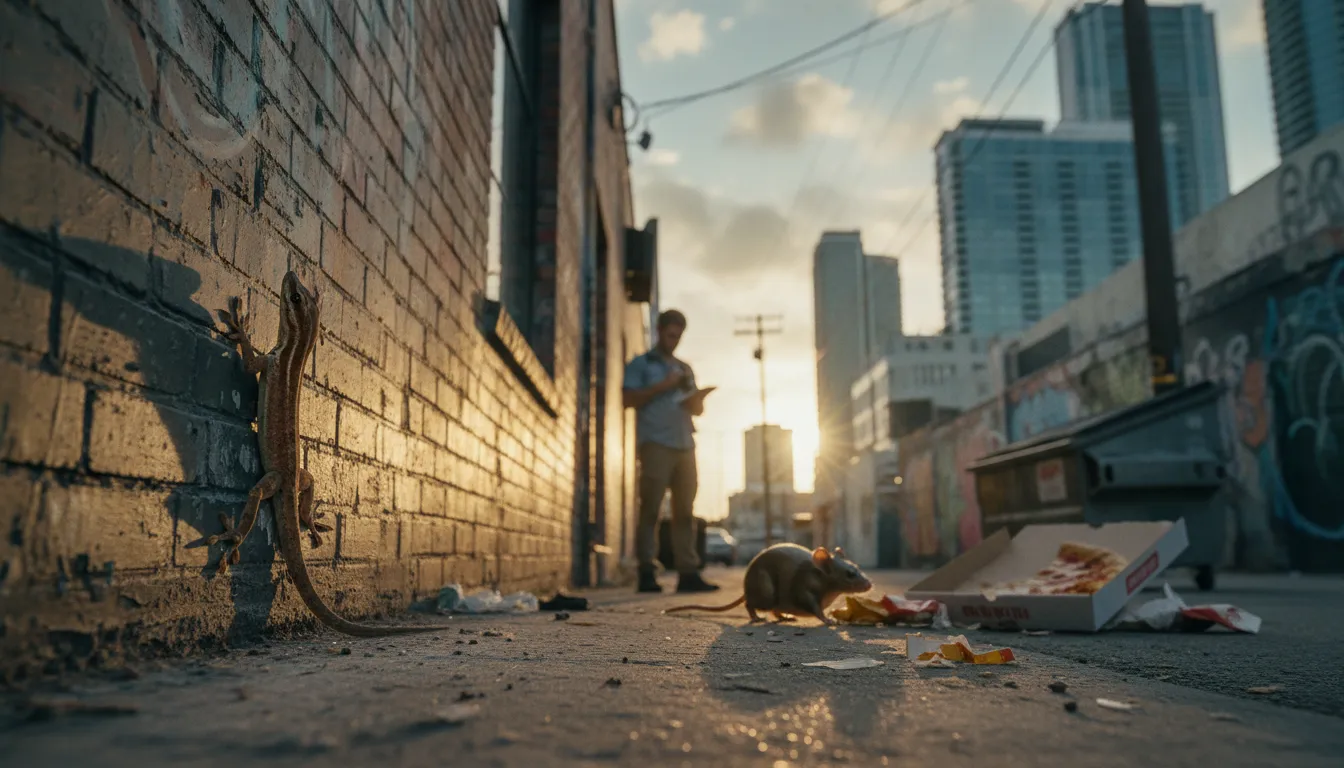
Cities as Evolutionary Laboratories
More than half the world's population lives in cities, and humans are not the only species adapting to urban life. Scientists have discovered that cities are driving measurable genetic and behavioral changes in wildlife—sometimes within just a few decades. This emerging field, known as urban evolution, is revealing that concrete jungles are among the most powerful evolutionary forces on the planet.
Unlike the slow, grinding process most people associate with Darwinian evolution, urban evolution can happen remarkably fast. The intense pressures of city living—artificial light, noise, pollution, new food sources, and fragmented habitats—create a crucible that favors rapid adaptation.
Genetic Changes in Real Time
Some of the most striking evidence comes from species whose DNA has measurably shifted in urban populations. Anolis lizards in Puerto Rico have evolved longer limbs and larger, stickier toe pads—traits that help them grip smooth concrete and glass surfaces that don't exist in forests. White-footed mice living in New York City parks like Central Park and the Botanical Garden carry genetic variants linked to digesting fatty, carbohydrate-rich foods—the kind found in urban trash—that their rural cousins lack.
Even Manhattan's rats show geographic genetic variation: colonies in lower Manhattan are genetically distinct from those uptown, likely because the towering skyscrapers of midtown act as barriers to migration, fragmenting the population much like a mountain range would in the wild.
A landmark paper in Science confirmed that urbanization is now a significant driver of evolutionary change across a wide range of organisms, from insects to mammals.
Behavioral Flexibility: The First Line of Adaptation
Before genetic evolution kicks in, animals rely on behavioral plasticity—the ability to change habits within a single lifetime. Urban birds sing at higher frequencies to be heard above traffic noise. Foxes in European cities shift their hunting to dusk and dawn, avoiding peak human activity. Raccoons in cities like Chicago demonstrate problem-solving abilities up to 40% higher than their rural counterparts, according to behavioral studies.
A UCLA study found that urban animals worldwide converge on similar bold, brazen behaviors regardless of species or continent—approaching humans more closely, taking greater risks, and exploiting human food sources. This suggests that cities impose a universal selection pressure that rewards boldness.
Why Brain Size and Diet Matter
Not all species thrive in cities. Research published in Frontiers in Ecology and Evolution found that successful urban colonizers tend to share key traits: smaller body size, flexible diets, and—in birds—relatively larger brains. Bigger brains appear to confer the behavioral flexibility needed to navigate an unpredictable environment full of cars, glass windows, and novel food sources.
Dietary flexibility is equally critical. Coyotes, once confined to western prairies, now live in downtown Chicago and Los Angeles, thriving on a diet that ranges from rodents to discarded fast food. A 2025 Washington University study identified candidate genes that may be under selection in urban coyote populations, suggesting the shift from prairie to pavement is leaving a genetic footprint.
What Urban Evolution Means for Conservation
Urban evolution challenges the traditional conservation model that treats cities as dead zones for biodiversity. In reality, cities harbor surprising ecological complexity—and the species living in them are diverging genetically from their rural relatives, potentially forming distinct urban populations over time.
However, researchers caution against over-optimism. A review published by Yale Environment 360 noted that while many species show behavioral changes, only a handful of cases demonstrate confirmed adaptive genetic evolution to urban life. Most wildlife still struggles with habitat loss, pollution, and vehicle strikes.
Still, the field is growing fast. As cities expand and more than two-thirds of humanity is projected to live in urban areas by 2050, understanding how evolution operates in these environments isn't just academic curiosity—it's essential for managing the ecosystems we share with wildlife, whether we notice them or not.