Science
How Wildlife Thrives in the Chernobyl Exclusion Zone
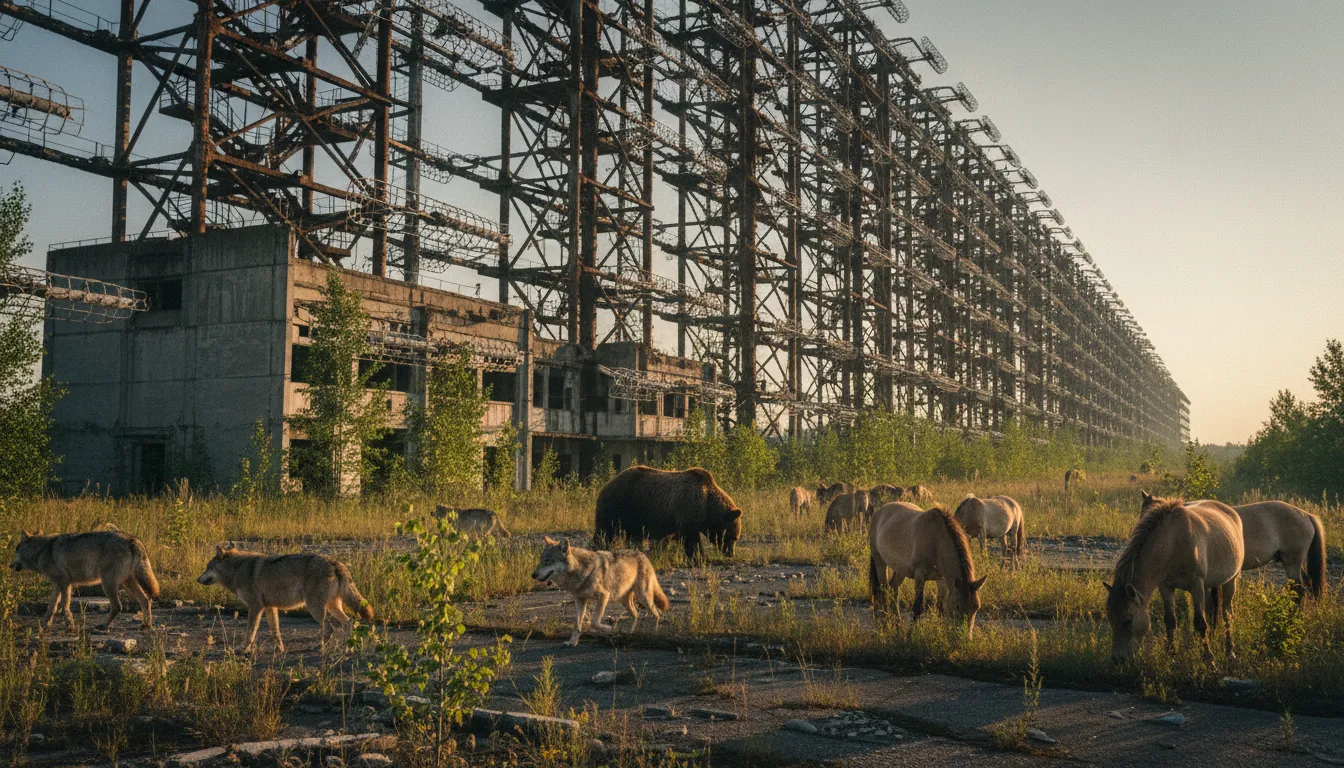
The Chernobyl Exclusion Zone has become one of Europe's largest de facto nature reserves, where wolves, bears, bison, and rare horses flourish in the...
We can't find the internet
Attempting to reconnect
Something went wrong!
Hang in there while we get back on track
75 articles with this tag
Science
The Chernobyl Exclusion Zone has become one of Europe's largest de facto nature reserves, where wolves, bears, bison, and rare horses flourish in the...
Science
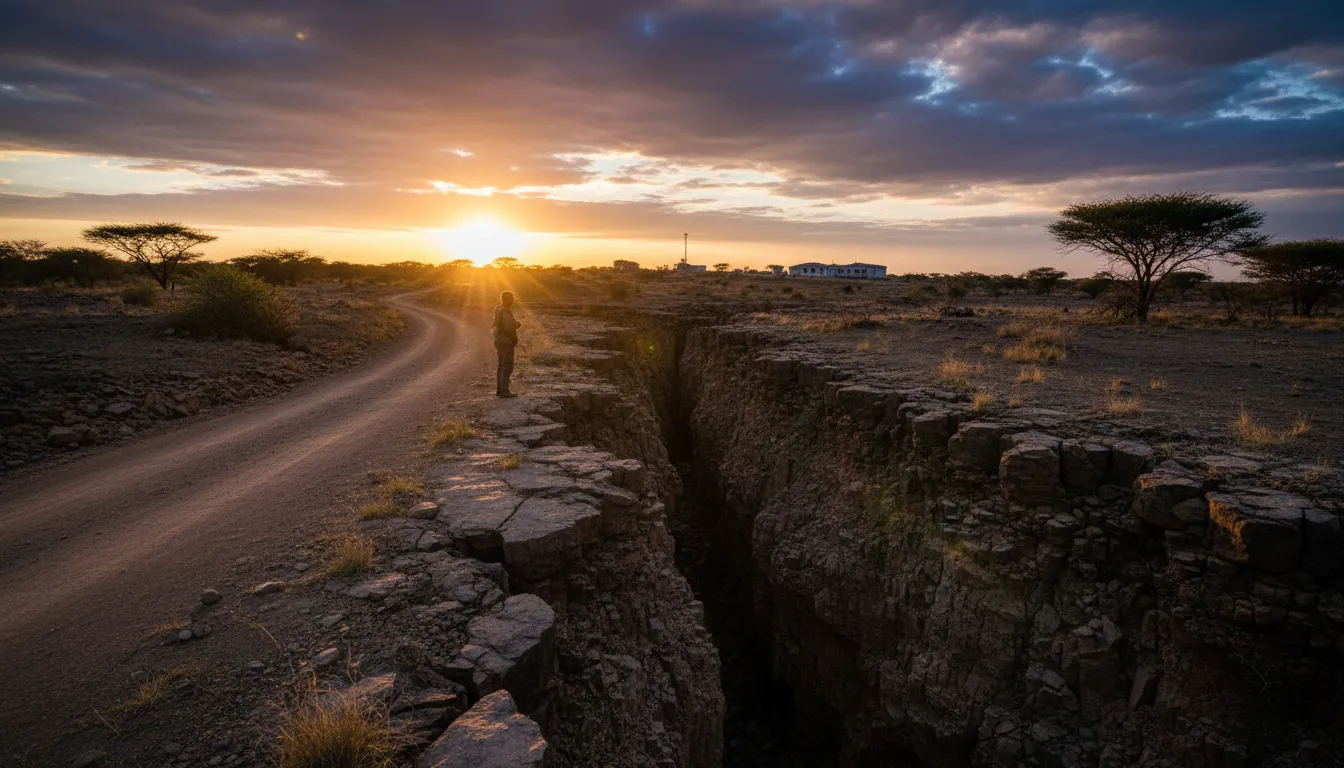
The East African Rift is slowly splitting the continent in two. Here's how tectonic forces tear landmasses apart and eventually create new ocean basin...
Science
Invasive species cost the global economy over $423 billion annually and drive 60% of recorded extinctions. Here's how they arrive, why they thrive, an...
Science
Salmon navigate thousands of miles of open ocean and return to the exact stream where they were born using a dual navigation system: Earth's magnetic...
Science
Teotihuacan was the largest city in the pre-Columbian Americas, yet no one knows for certain who built it, what language its people spoke, or why it c...
Science
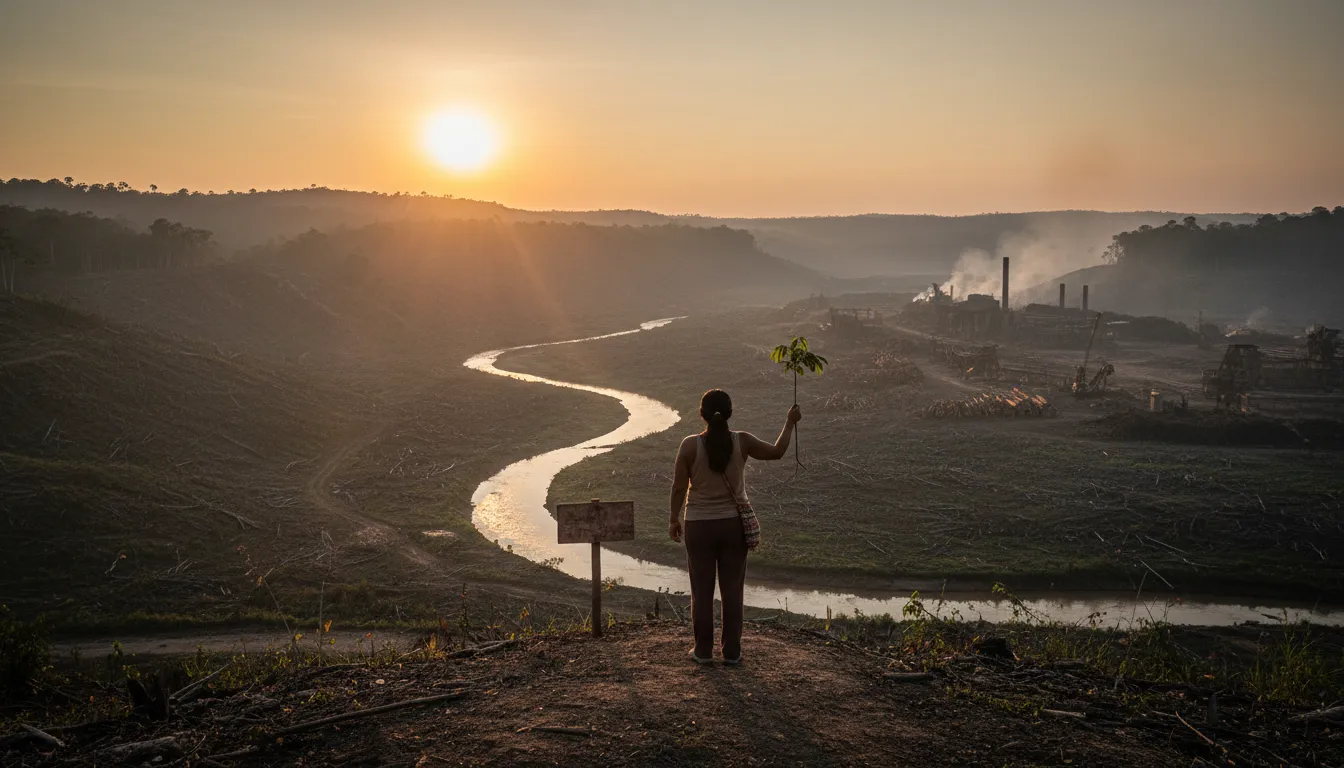
The Goldman Environmental Prize, often called the Green Nobel, honors six grassroots environmental activists each year — one from each inhabited conti...
Science
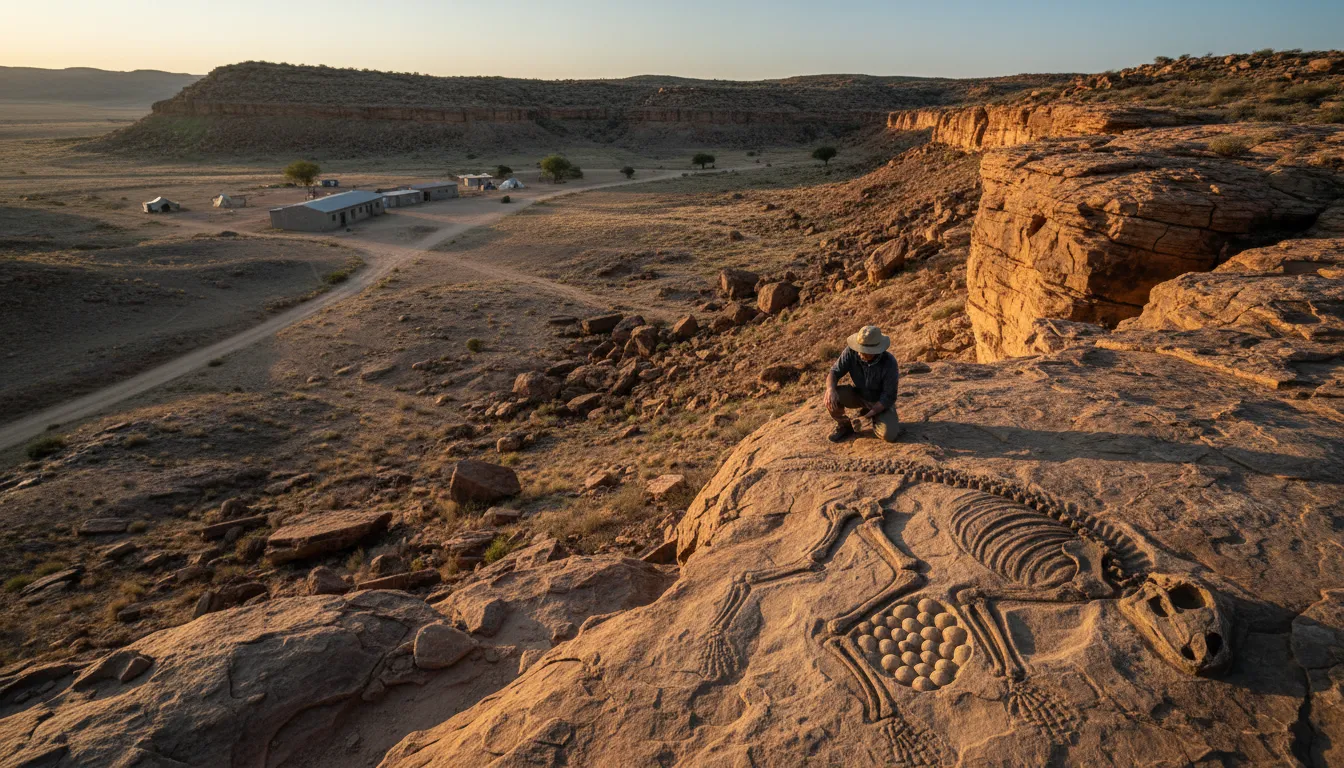
All mammals descend from egg-laying ancestors called synapsids. Here's how the transition from leathery eggs to live birth unfolded over 300 million y...
Science
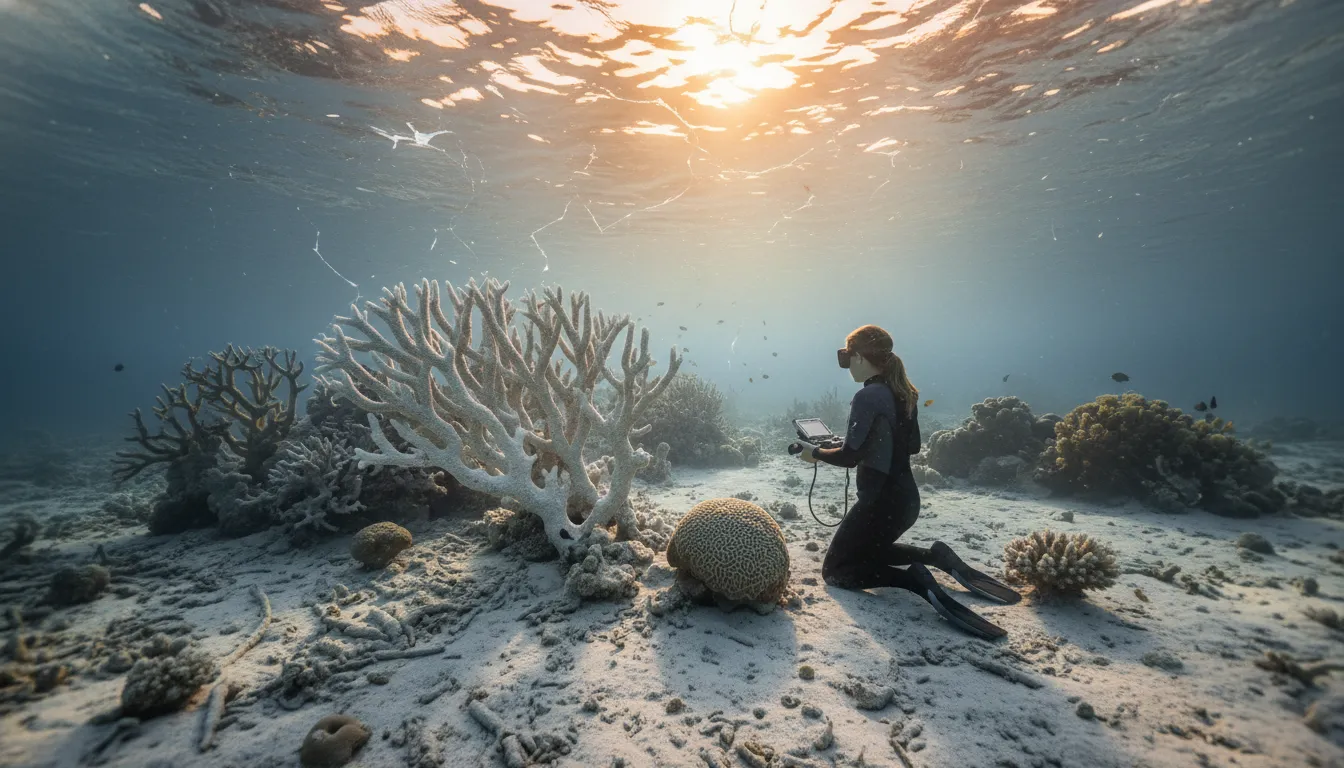
Coral bleaching occurs when rising ocean temperatures break the symbiotic bond between corals and the algae that feed them, turning reefs white and th...
Science
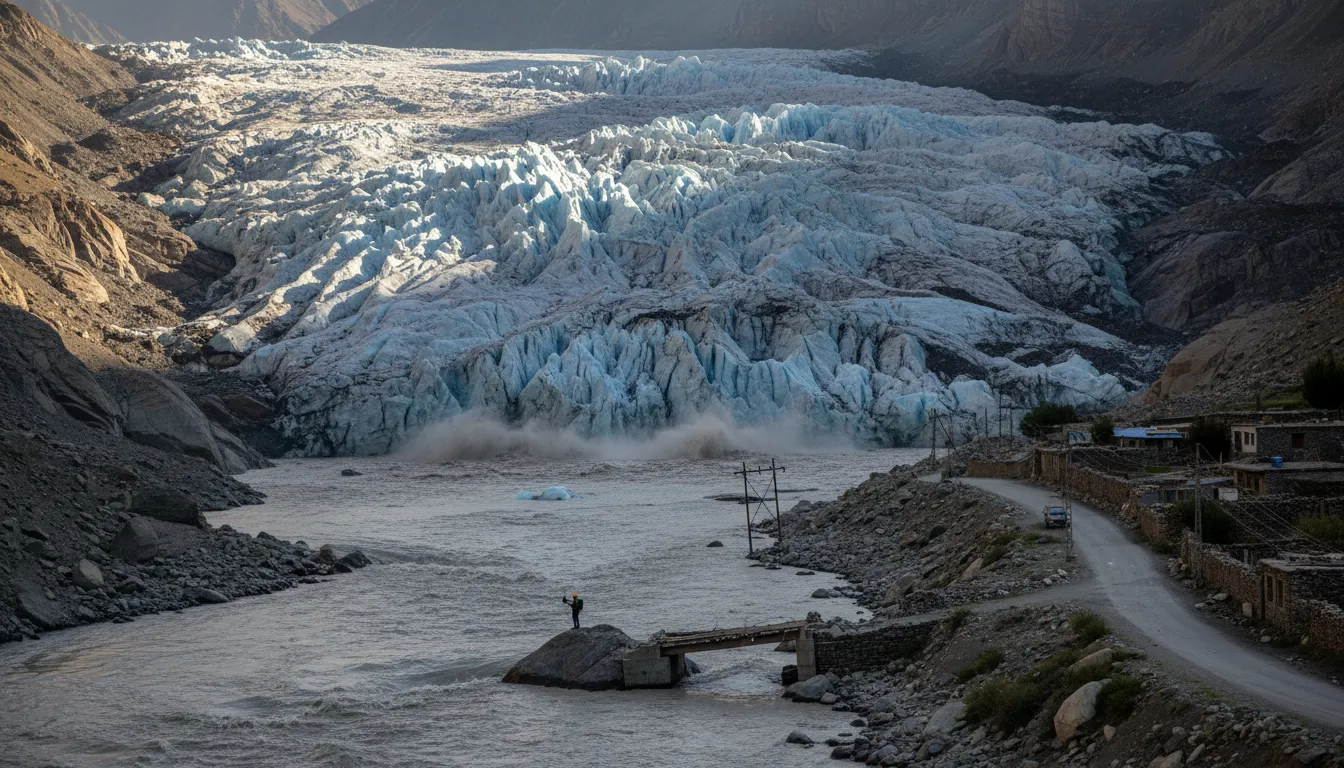
Surging glaciers can accelerate to 100 times their normal speed, damming rivers, triggering catastrophic floods, and destroying infrastructure. Here i...
Science
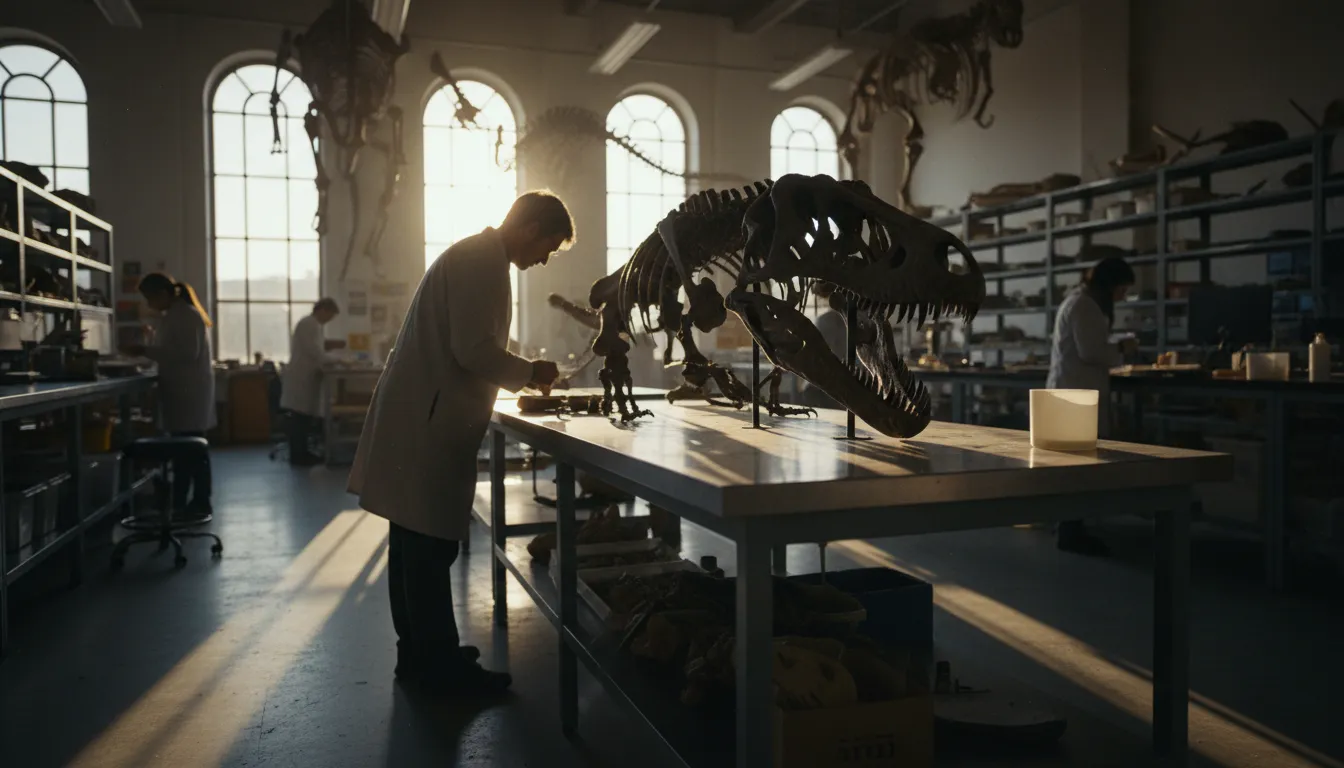
For decades, paleontologists argued whether small tyrannosaur fossils belonged to juvenile T. rex or a separate species. Multiple studies now confirm...
Science
Deep-sea mining targets potato-sized mineral nodules on the ocean floor rich in cobalt, nickel, and manganese. As regulators debate whether to allow c...
Science
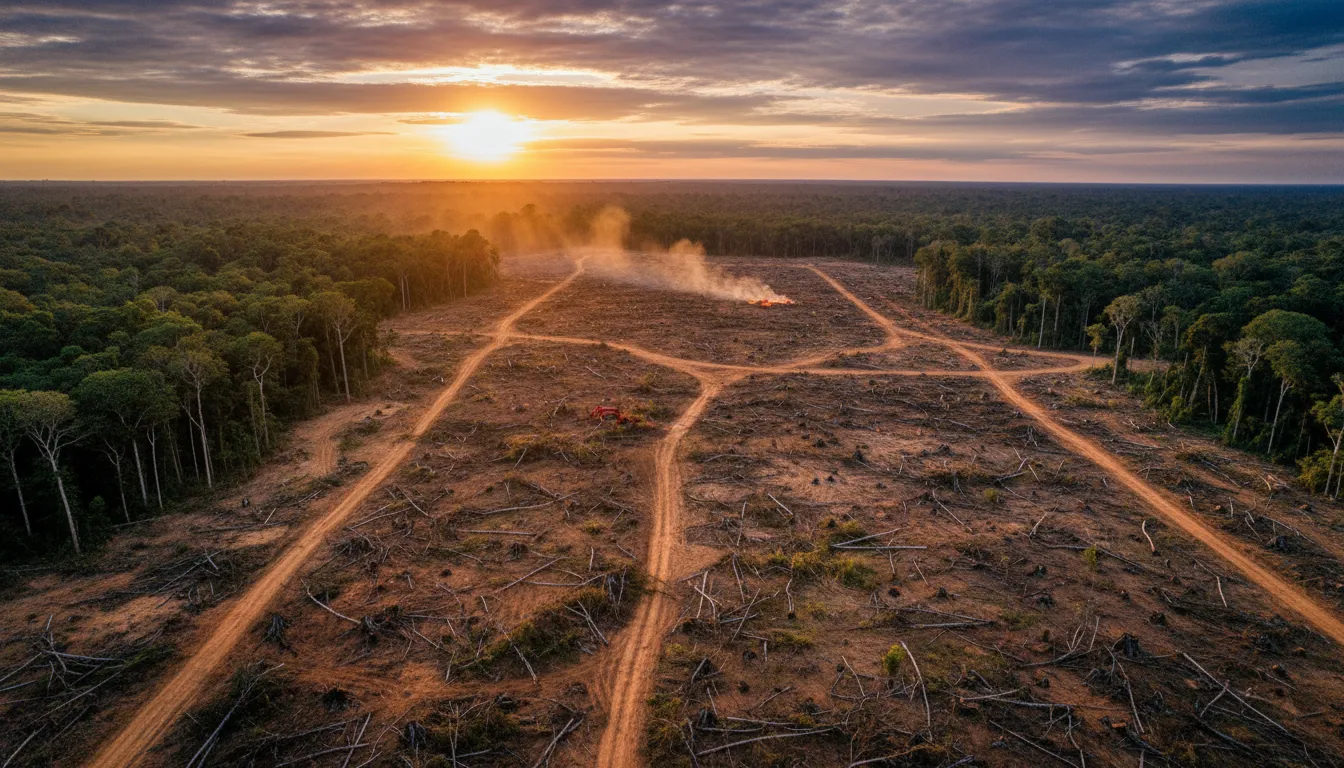
Earth's forests, oceans, and soils absorb roughly half of humanity's carbon emissions each year, but climate change and deforestation are steadily und...
Enable notifications and we'll let you know when something new is published.