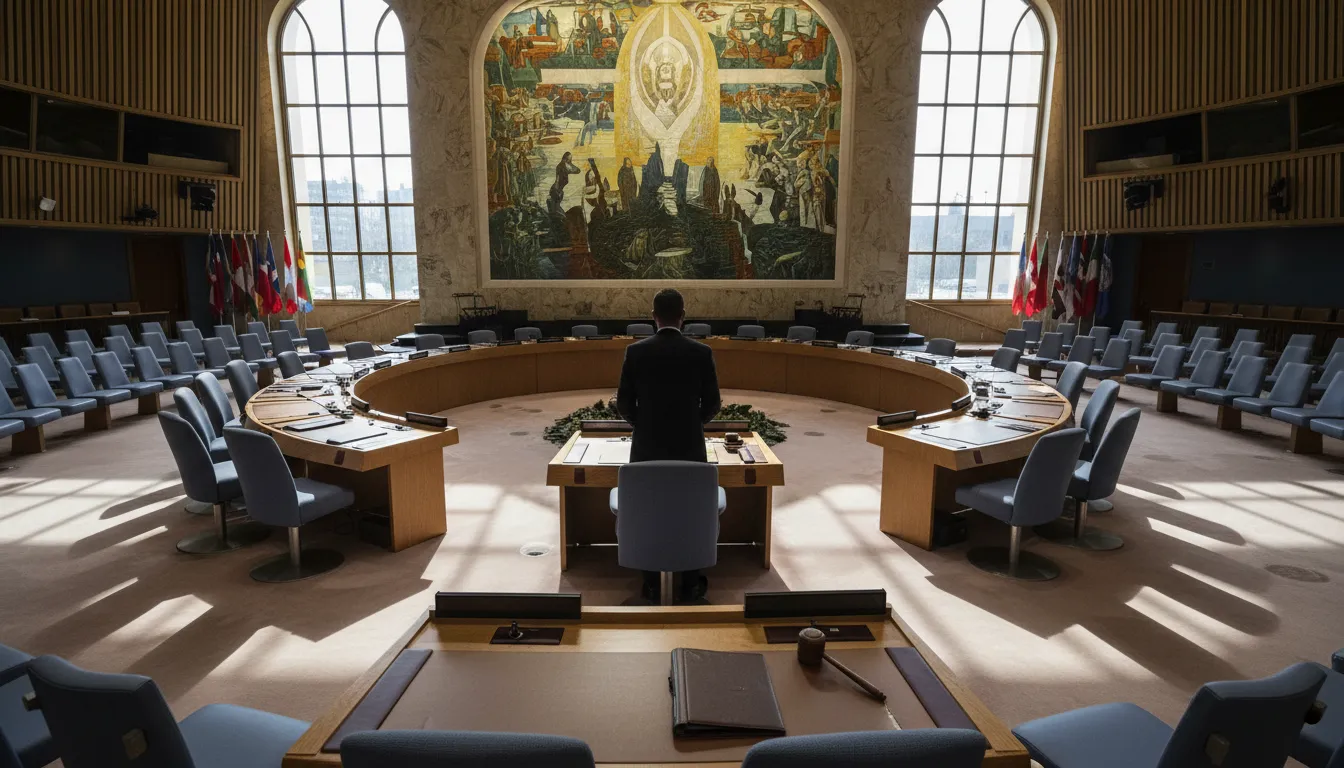
Oil Crashes 11% on US-Iran Deal Hopes, Markets Surge
Brent crude plunged below $100 per barrel for the first time in two weeks after Trump signaled productive talks with Iran, triggering a global stock rally — but Tehran denied any negotiations are taking place.
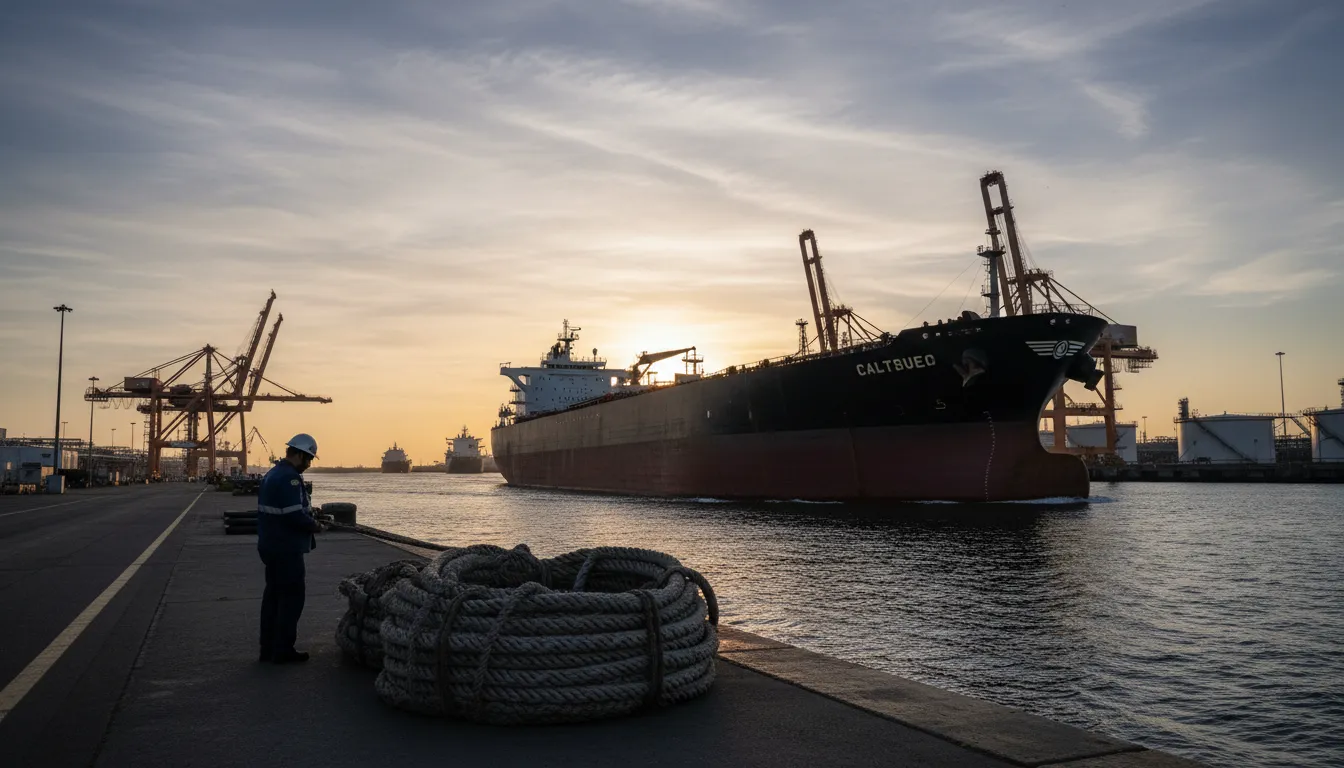
Oil Prices Plunge on De-escalation Signals
Oil prices suffered their steepest single-day decline in months on Monday, March 23, after U.S. President Donald Trump announced he was postponing military strikes on Iranian energy infrastructure and hailed "very good and productive conversations" with Tehran aimed at a "complete and total resolution" of hostilities in the Middle East.
Brent crude, the global benchmark, tumbled 10.9% to settle at $99.94 per barrel — its first close below $100 since March 11. U.S. West Texas Intermediate fell 10.3% to $88.13 per barrel. Both benchmarks briefly plunged as much as 14% intraday before recovering some losses. Natural gas markets followed suit, with U.S. prices dropping 6% and European futures sliding 9%.
Despite the sharp retreat, crude remains roughly 30% higher than before the conflict began on February 28, when the Strait of Hormuz — a chokepoint carrying one-fifth of global oil and LNG supplies — was effectively closed by Iran's blockade.
Iran Denies Talks, Warns of Escalation
The rally in risk assets was tempered by Tehran's swift rebuttal. Iranian parliament speaker Mohammad Bagher Qalibaf dismissed Trump's claims as "fake news used to manipulate financial and oil markets," insisting no direct or indirect communication had taken place. Iran further warned it would mine the entire Persian Gulf if its coastline were attacked — a threat that underscored the fragility of any potential de-escalation.
Trump, speaking to reporters, maintained his position: "They want to make a deal, and we are very willing to make it." He ordered what he called the Department of War to halt strikes on Iranian power plants for a five-day window to allow negotiations to proceed.
Global Markets Stage Relief Rally
Stock markets around the world surged on hopes the Middle East crisis — which had stoked recession fears globally — might be nearing a resolution:
- The Dow Jones rose 631 points (1.4%), while the S&P 500 gained 1.15% — its best session since early February
- The Nasdaq Composite climbed 1.4%, with futures initially spiking 3% on the news
- Europe's Stoxx 600 advanced 0.6%, while Germany's DAX surged as much as 3.5% before closing up 1.2%
Heating oil dropped 12%, offering relief to consumers who have borne the brunt of surging energy costs throughout March.
IEA: Worst Energy Crisis in Half a Century
The dramatic price swings come against a backdrop that IEA Executive Director Fatih Birol described as unprecedented. Speaking on the same day, Birol said the current crisis "is now two oil crises and one gas crash put all together" — surpassing the combined impact of the 1973 and 1979 oil shocks and the energy disruptions caused by Russia's invasion of Ukraine.
Global oil supplies have been reduced by approximately 11 million barrels per day, more than double the combined shortfalls from the 1970s crises. At least 40 energy facilities across nine Middle Eastern countries have sustained severe damage since the war began. LNG supplies have dropped by about 140 billion cubic metres, nearly double the loss after Russia's 2022 invasion.
The IEA had already coordinated the release of a record 400 million barrels from strategic reserves on March 11 — more than twice the 182 million barrels released during the Ukraine crisis. Birol signaled the agency stands ready to act again: "If it is necessary, of course, we will do it."
What Comes Next
Investors now face a five-day window of uncertainty. If Trump's claimed negotiations materialize into a concrete framework, markets could see sustained relief and a further normalization of energy prices. But Tehran's flat denial and continued threats to weaponize the Persian Gulf suggest the geopolitical risk premium on oil is far from eliminated. With the world's energy infrastructure under historic strain, the coming days will test whether diplomacy can defuse what the IEA calls the worst energy shock in over fifty years.