Why Cuba's Power Grid Keeps Collapsing
Cuba has suffered repeated nationwide blackouts since 2024, leaving millions without electricity for days. The roots of the crisis lie in Soviet-era infrastructure, chronic fuel dependency, and decades of underinvestment.
An Island in the Dark
Since late 2024, Cuba has experienced at least six complete or near-complete collapses of its national electricity grid, each time plunging roughly 10 million people into darkness and knocking out hospitals, water pumps, and communications. The blackouts are not random accidents. They are the predictable result of an energy system built on aging Soviet-era technology, almost total dependence on imported oil, and decades of deferred maintenance.
A Grid Built on Soviet Oil
After the 1959 revolution, the Soviet Union supplied Cuba with cheap petroleum through non-commercial barter agreements. Havana used that fuel to build a centralized network of oil-fired thermoelectric plants that, by the late 1980s, brought electricity to over 95 percent of households. When the Soviet Union collapsed in 1991, the subsidized oil vanished overnight, triggering the so-called Special Period—years of severe energy rationing.
Cuba partially recovered by striking oil-for-doctors deals with Venezuela in the early 2000s. By 2013, Venezuela supplied roughly 62 percent of Cuba's crude oil imports, according to government data. But this arrangement left the island dangerously dependent on a single, politically unstable supplier.
Why the Plants Keep Failing
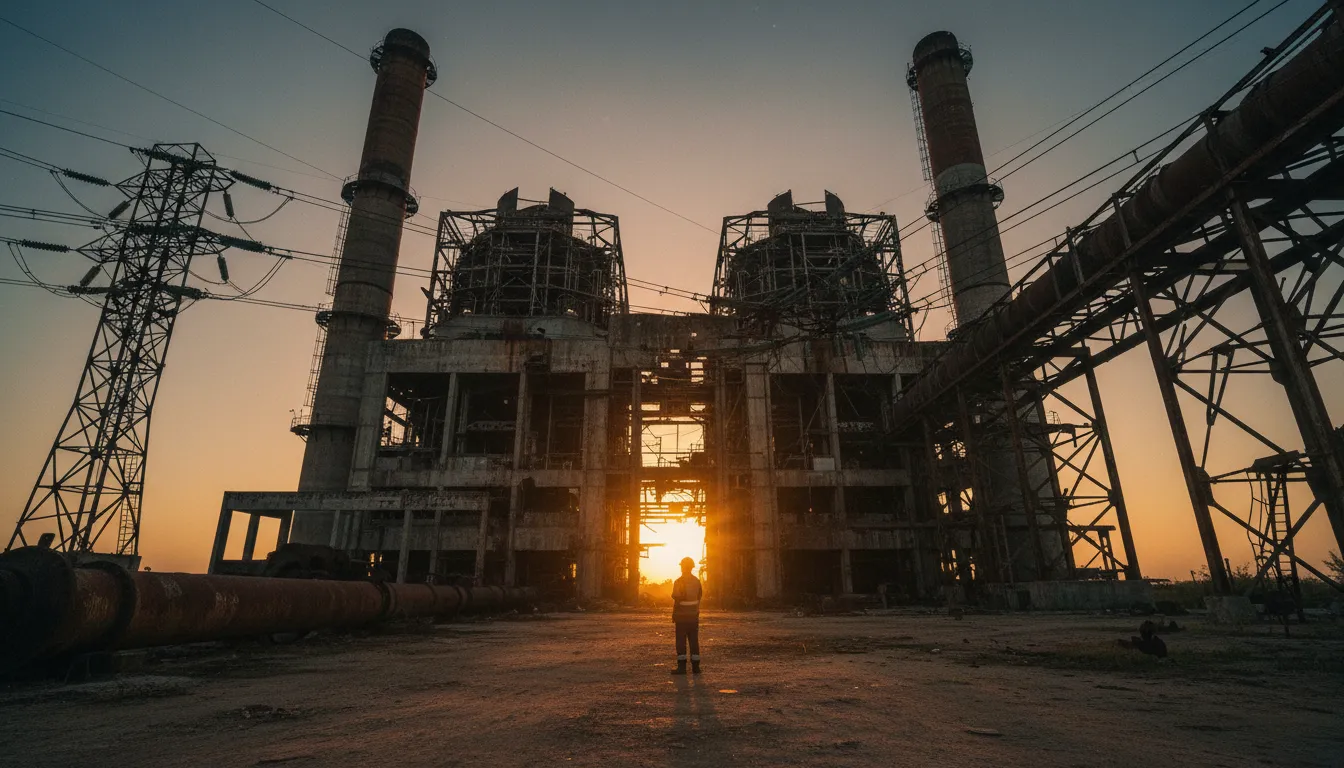
Cuba's thermoelectric plants were designed for operational lifespans of about 100,000 hours. Most have far exceeded that mark. According to Power Magazine, the fleet now operates at an average of just 34 percent of installed capacity. Corrosion, outdated protection systems, and a chronic shortage of spare parts mean that a single plant tripping offline can cascade into a system-wide collapse.
The backbone of the grid, the Antonio Guiteras Thermoelectric Power Plant, is also the single largest point of failure. When Guiteras goes down—as it has repeatedly—the grid loses so much generation capacity that remaining plants cannot compensate, and the entire system disconnects.
Oil Dependency by the Numbers
Petroleum-derived fuels account for roughly 76 percent of Cuba's electricity generation. The island produces only about 40 percent of the fuel it needs; the rest must be imported. Renewables contribute less than five percent of the electricity mix, according to the International Energy Agency. That near-total reliance on oil means any disruption in supply—whether from geopolitical shifts, sanctions, or a hurricane damaging port infrastructure—immediately threatens the grid.
Underinvestment Compounds the Problem
Cuba's energy sector has received less than 10 percent of national investment in recent years, while tourism absorbed nearly 40 percent between 2019 and 2024, according to IEEE Spectrum. Without hard currency for imported parts and maintenance, repairs are improvised and breakdowns recur faster than engineers can fix them. A report from the Cuba Study Group estimates that restoring the electrical system would require up to $10 billion and three to five years of sustained investment.
The Human Cost
Extended blackouts are more than an inconvenience on a tropical island. Without electricity, water pumps stop, refrigerated medicine spoils, and hospitals operate on dwindling generator fuel. The United Nations has warned that Cuba's energy crisis threatens food security, healthcare access, and safe drinking water for millions. Emigration has accelerated as citizens seek stability elsewhere.
Can Cuba Fix Its Grid?
Havana has pledged to generate 24 percent of its electricity from renewable sources by 2030 under the Paris Agreement. Several solar parks are under construction, and small wind installations dot the countryside. But experts say the timeline is unrealistic without foreign investment, which remains limited by U.S. sanctions and Cuba's own restrictions on private enterprise.
Until Cuba diversifies its energy sources, modernizes its plants, and secures reliable fuel supplies, the island's lights will keep going out—sometimes for hours, sometimes for days, and always with devastating consequences for those who live there.