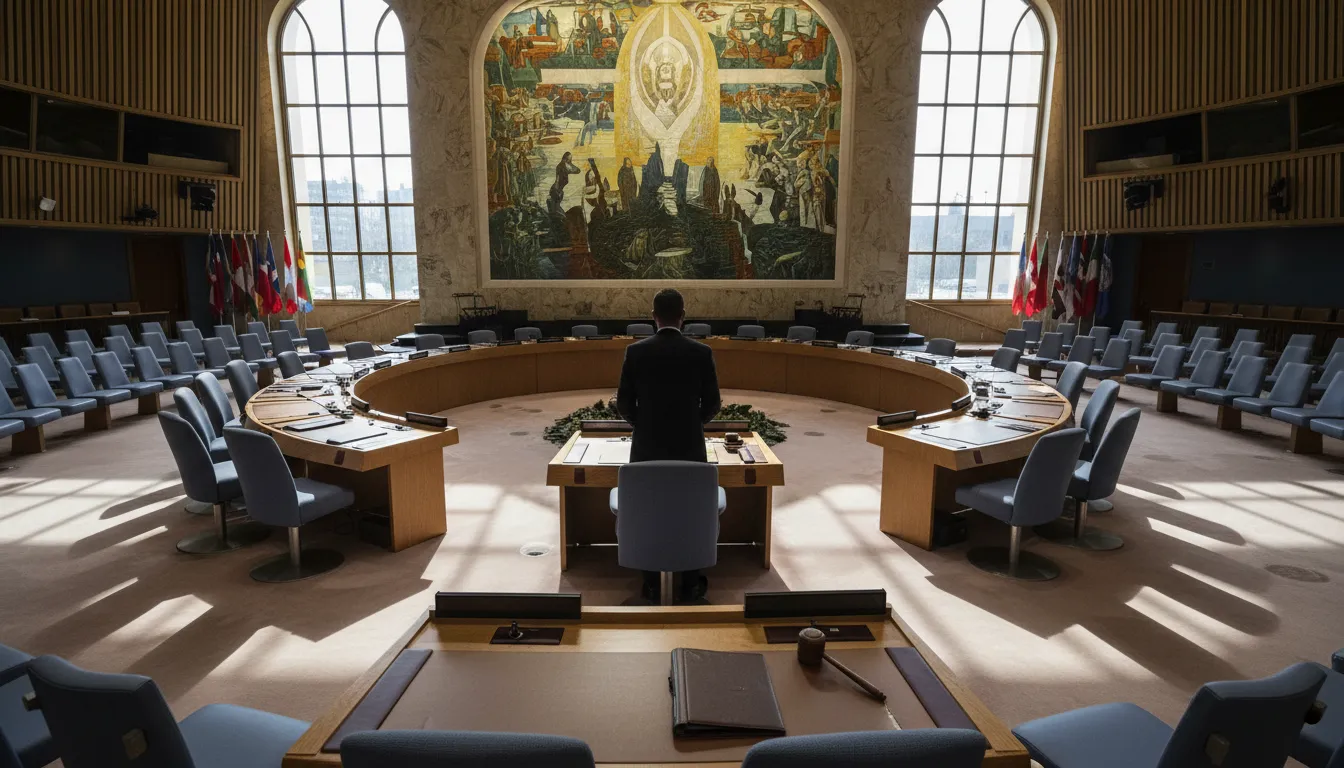
Spain Closes Airspace to U.S. Aircraft Over Iran Conflict
The Spanish government has prohibited U.S. aircraft involved in the war against Iran from overflying its territory and using its military bases, a decision that strains relations with Washington and raises questions about NATO cohesion.
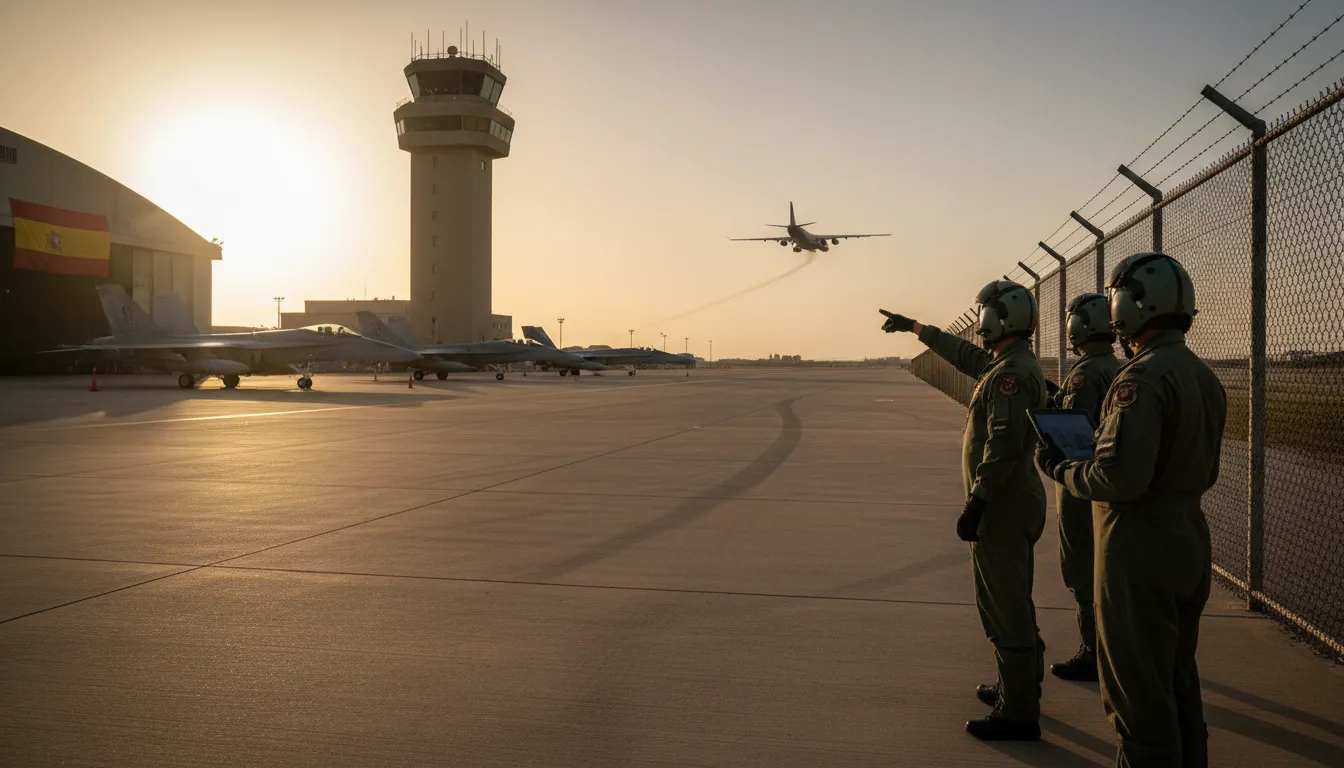
Spain has taken an unprecedented step in its defense policy by closing its airspace to all U.S. military aircraft involved in the war against Iran. Defense Minister Margarita Robles confirmed on March 30, 2026, that the restriction covers both overflights of national territory and the use of the Rota and Morón de la Frontera bases.
"Neither the bases are authorized, nor, of course, is the use of Spanish airspace authorized for any action related to the war in Iran," Robles stated, describing the conflict as "profoundly illegal and profoundly unjust."
Scope of the Measure
The ban, first reported by the newspaper El País citing military sources, does not affect commercial flights or emergency situations. However, it blocks any military transit operations, including aircraft from allied bases in the United Kingdom and France that might overfly Spanish territory en route to the Middle East.
The veto adds to a previous decision that already prevented the use of the Rota (Cádiz) and Morón (Sevilla) facilities for offensive operations. That measure forced the United States to withdraw more than a dozen tanker aircraft from Spain used for in-flight refueling, a key resource in the logistics of the military campaign against Iran.
The Spanish government invoked the 1988 bilateral defense agreement, which recognizes Spain's sovereignty over the facilities and allows it to limit their use in situations of armed conflict.
Transatlantic Tension
Washington's reaction was swift. The White House responded that "the United States Armed Forces do not need Spain's help" to carry out the operation. President Donald Trump supported Republican Senator Lindsey Graham's proposal to move the troops deployed in Rota and Morón to other countries, stating that those who were calling for the withdrawal "are right."
For his part, Secretary of State Marco Rubio warned that the United States would "review" its relationship with NATO when the conflict ends, pointing directly to countries like Spain that have denied their cooperation.
Sánchez's Stance
President Pedro Sánchez has maintained a critical position since the beginning of the conflict on February 28, 2026. He has insisted that Spain "will not contribute to a military escalation" and has argued that any military action must have the support of the United Nations to be considered legitimate. In addition, he compared Israel's actions in Lebanon to the destruction caused in Gaza, solidifying Spain as Europe's firmest voice against the intervention.
Strategic Implications
The Spanish decision has significant logistical consequences. Spain is located on key air routes between the United States and the Middle East, and the loss of access to Rota—one of NATO's main naval bases in the Mediterranean—complicates the U.S. military supply chain in the region.
For Spanish public opinion, the measure reflects a majority sentiment of rejection of the war. However, Trump's trade threats and the possible review of the U.S. military presence generate uncertainty about the future of bilateral relations and Spain's role within the Atlantic Alliance.