Security

251 articles with this tag

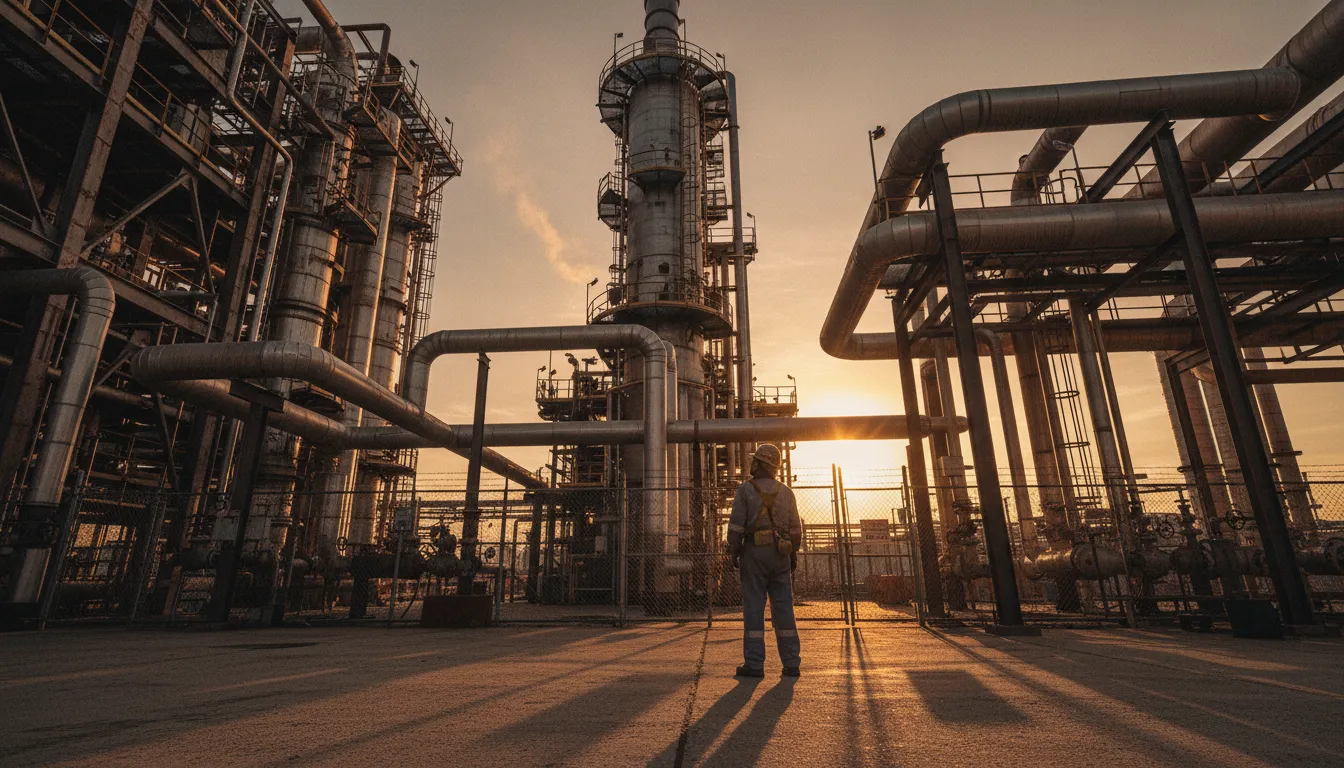
How Hydrogen Sulfide Kills—and Why You Can't Smell It Science

How Hydrogen Sulfide Kills—and Why You Can't Smell It

Hydrogen sulfide is one of the deadliest gases in industrial workplaces. It smells like rotten eggs at low levels but destroys your sense of smell at...

Redakcia
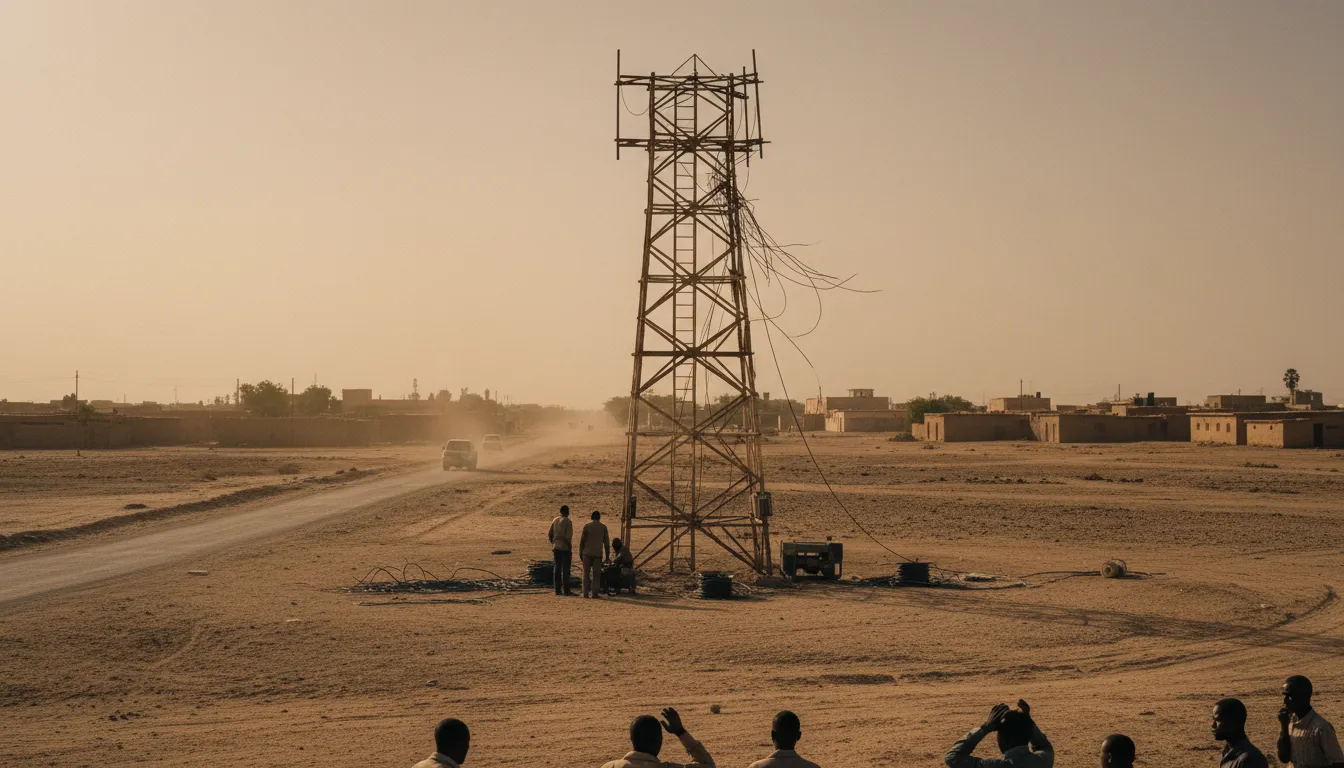
How Internet Shutdowns Work—and Why They Spread Technology

How Internet Shutdowns Work—and Why They Spread

Governments use BGP withdrawal, DNS blocking, throttling, and deep packet inspection to cut citizens off from the global internet. With 313 shutdowns...

Redakcia
How AI Chatbot Liability Works—and Why Courts Are Split Technology

How AI Chatbot Liability Works—and Why Courts Are Split

As lawsuits mount against AI companies over chatbot-related harms, courts are grappling with whether chatbots are products, whether Section 230 protec...

Redakcia
How TCAS Works—Aviation's Last Line of Defense Technology

How TCAS Works—Aviation's Last Line of Defense

TCAS is the onboard collision avoidance system that monitors airspace around aircraft and issues climb-or-descend commands to pilots within seconds, s...

Redakcia
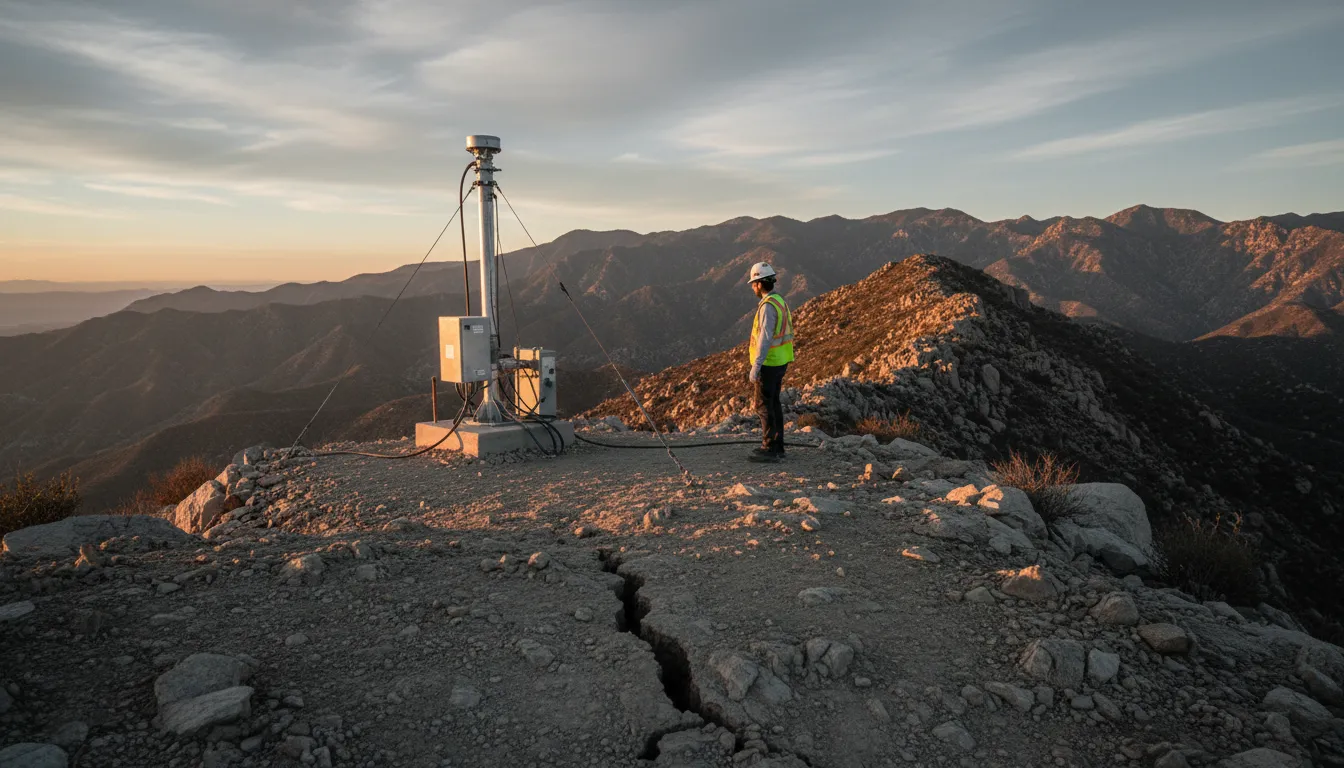
How Earthquake Early Warning Systems Work Technology

How Earthquake Early Warning Systems Work

Earthquake early warning systems exploit the speed difference between fast but harmless P-waves and slower, destructive S-waves to send alerts seconds...

Redakcia
How Megathrust Earthquakes Work—Earth's Most Powerful Science

How Megathrust Earthquakes Work—Earth's Most Powerful

Megathrust earthquakes are the most powerful seismic events on the planet, generated where tectonic plates collide at subduction zones. This explainer...

Redakcia
How Tsunami Warning Systems Work—From Quake to Alert Technology

How Tsunami Warning Systems Work—From Quake to Alert

Tsunami warning systems combine seismometers, deep-ocean pressure sensors, and satellite links to detect deadly waves and alert coastal populations wi...

Redakcia
How PLCs Work—and Why Hackers Target Them Technology

How PLCs Work—and Why Hackers Target Them

Programmable logic controllers run water plants, power grids, and factories worldwide. Here's how these industrial computers work, why they're vulnera...

Redakcia
How Tornadoes Form—and Why the U.S. Gets the Most Science

How Tornadoes Form—and Why the U.S. Gets the Most

An explainer on the atmospheric mechanics behind tornado formation, why the United States experiences more tornadoes than any other country, and how m...

Redakcia
How Back-Channel Diplomacy Works—and Why It Matters Culture

How Back-Channel Diplomacy Works—and Why It Matters

Back-channel diplomacy uses secret, unofficial negotiations to break deadlocks when formal talks fail. From the Cuban Missile Crisis to the Oslo Accor...

Redakcia
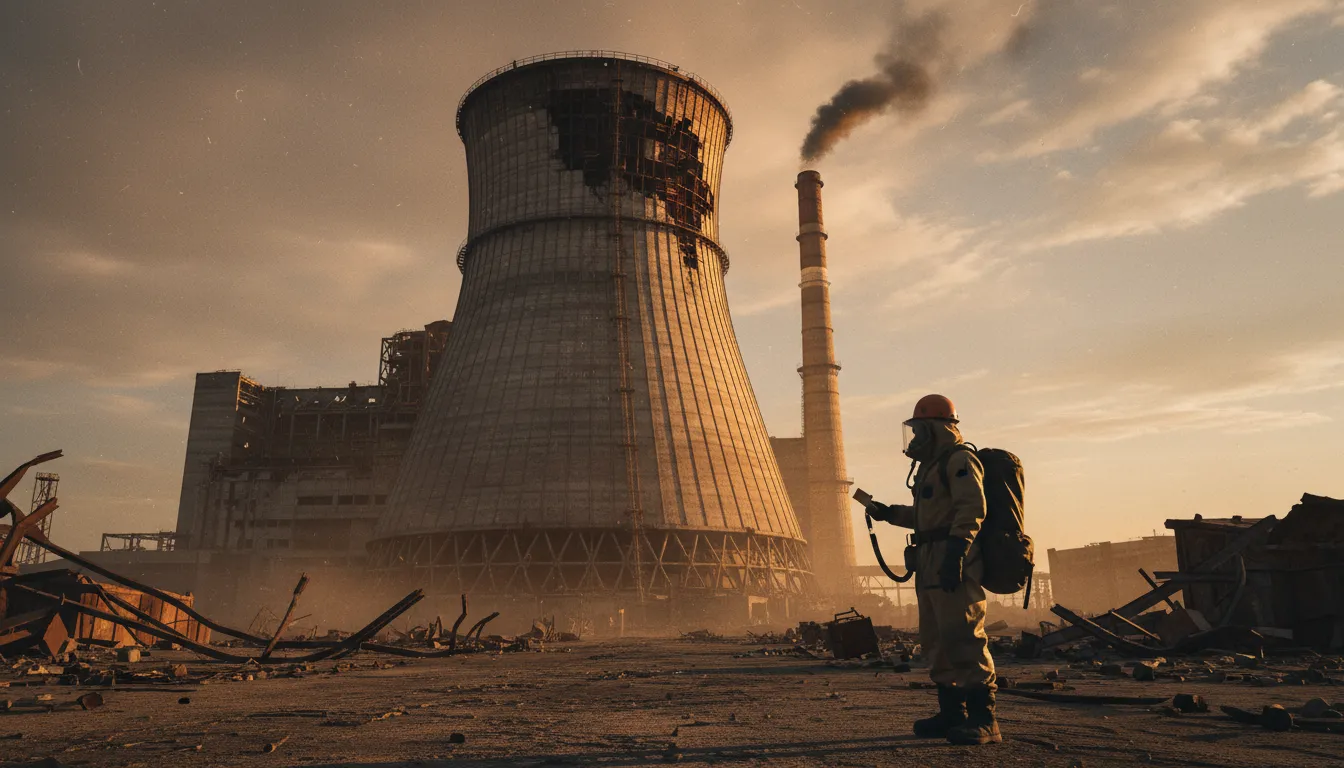
How Fast Breeder Reactors Work—and Why They Matter Science

How Fast Breeder Reactors Work—and Why They Matter

Fast breeder reactors produce more nuclear fuel than they consume, promising virtually unlimited energy—but their history is marked by technical failu...

Redakcia
How Geofence Warrants Work—and Why Courts Disagree Technology

How Geofence Warrants Work—and Why Courts Disagree

Geofence warrants let police demand location data on every phone near a crime scene, turning traditional policing on its head. With the US Supreme Cou...

Redakcia