How Internet Shutdowns Work—and Why They Spread
Governments use BGP withdrawal, DNS blocking, throttling, and deep packet inspection to cut citizens off from the global internet. With 313 shutdowns across 52 countries in 2025 alone, the tactic is spreading fast—and getting more sophisticated.
The Kill Switch Isn't a Myth
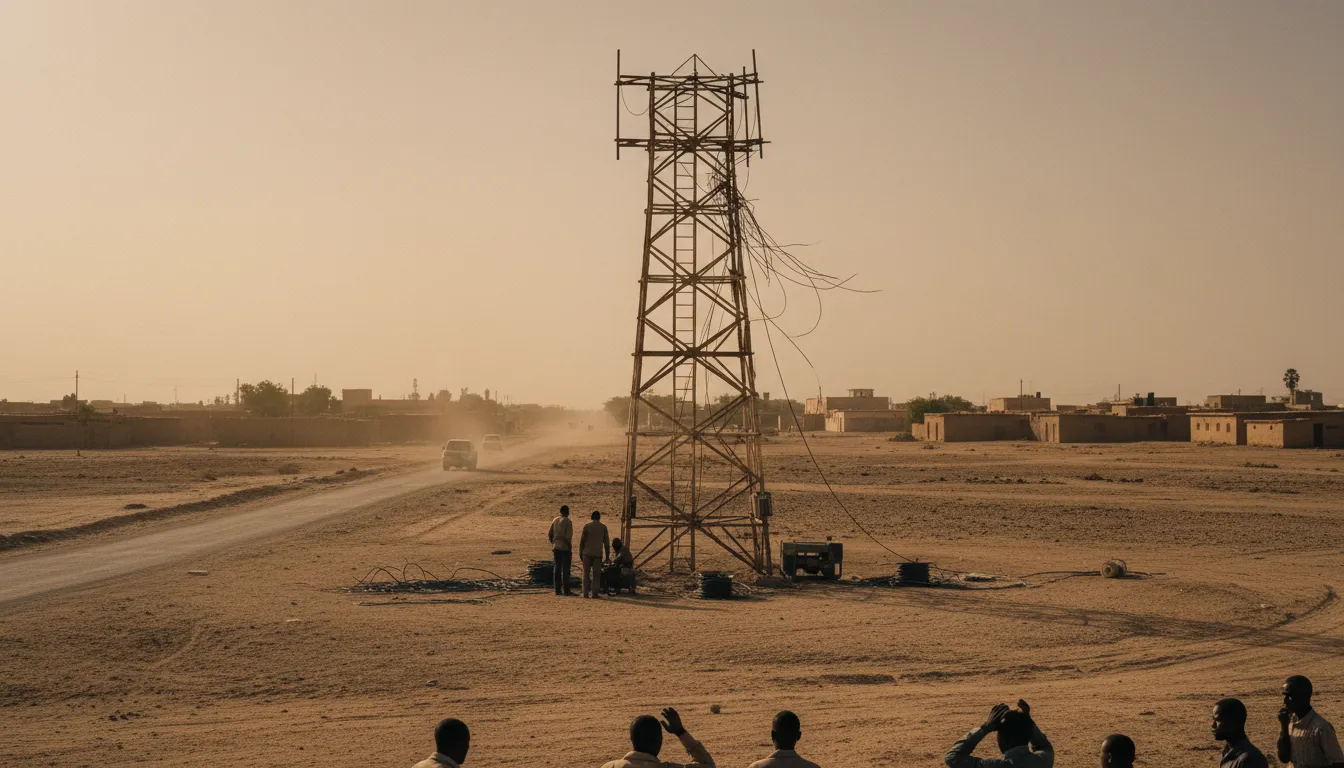
When a government decides to shut down the internet, it doesn't press a single red button. Instead, it exploits the internet's own architecture—a system built on trust between networks—to sever or degrade connections for millions of people at once. In 2025, the #KeepItOn coalition documented 313 internet shutdowns across 52 countries, meaning at least one shutdown occurred every single day of the year. The economic toll reached an estimated $19.7 billion, according to Top10VPN research.
The Technical Playbook
Internet shutdowns range from crude full blackouts to surgical strikes against specific platforms. Governments choose from a growing arsenal of techniques depending on how much control they want—and how much scrutiny they expect.
BGP Withdrawal: Erasing a Country From the Map
The internet is a network of networks, and Border Gateway Protocol (BGP) is the routing system that connects them. Every country's internet service providers announce BGP routes telling the rest of the world how to reach their networks. When a government orders ISPs to withdraw those routes, the country effectively disappears from the global internet. Traffic can neither enter nor leave. This method was used to devastating effect during Iran's 2019 shutdown and, on a far larger scale, during its 2026 blackout.
DNS Blocking: Hiding Websites in Plain Sight
Domain Name System (DNS) servers translate human-readable website names into IP addresses. Governments can order DNS providers to return false results or simply refuse to resolve certain domains. Users trying to visit a blocked site get redirected to a government-controlled page—or receive no response at all. This technique is common in China, Russia, and Turkey, and is relatively easy to circumvent using alternative DNS servers, which is why authoritarian states rarely rely on it alone.
Throttling: Death by a Thousand Delays
Rather than cutting the connection entirely, some governments reduce bandwidth to unusable speeds—a tactic known as throttling. Social media, video calls, and VPN connections become functionally impossible, while the government can claim the internet is technically still "on." This plausible deniability makes throttling politically attractive. During multiple shutdowns, researchers found that even circumvention tools became useless for anything beyond basic text when bandwidth was aggressively restricted.
Deep Packet Inspection: Reading the Mail
Deep packet inspection (DPI) hardware sits at internet chokepoints and examines the contents of data packets in real time. Governments use DPI to identify and block specific protocols—such as VPN tunnels, encrypted messaging apps, or social media traffic—while allowing everything else through. This surgical approach lets authorities target dissent without shutting down commerce, making it the preferred tool for sophisticated censorship regimes.
Who Does It—and Why
The Asia-Pacific region accounted for 195 shutdowns in 2025, with Myanmar recording 95 deliberate disruptions alone. But shutdowns are not exclusive to authoritarian states. Democracies including India—historically the world's most frequent offender—have imposed hundreds of regional shutdowns, often during protests, elections, or exams.
Common triggers include mass protests, elections, armed conflict, and exam periods. According to Access Now, 51 out of 81 new internet restrictions in 2025 were linked to political turmoil—more than double the politically motivated shutdowns recorded the previous year.
Why Shutdowns Are Getting Harder to Fight
Early shutdowns were blunt instruments: pull the plug, face international outrage, then reconnect. Modern censorship is far more refined. Governments now maintain global routing presence while isolating domestic users through protocol whitelisting—allowing only approved traffic types—and centralized border gateways that filter everything else. Iran's 2026 blackout introduced satellite signal jamming alongside traditional methods, and a paid "Internet Pro" tier that sold connectivity back to businesses, effectively monetizing the shutdown itself.
The UN has repeatedly condemned internet shutdowns as violations of international human rights law, particularly the rights to freedom of expression and access to information. Yet the practice continues to accelerate, with 75 shutdowns persisting from 2025 into 2026 across 33 countries—a sharp increase from the 54 that carried over the previous year.
The Bottom Line
Internet shutdowns exploit fundamental design choices in the global network—protocols built on cooperation, not coercion. As governments invest in more sophisticated filtering and monitoring technology, the gap between a functioning internet and a controlled one narrows. Understanding how these shutdowns work is the first step toward building networks and policies resilient enough to resist them.