How Federal Mineral Withdrawals Work on Public Lands
Federal mineral withdrawals are the primary legal tool used to block mining on U.S. public lands. Here's how the process works, who holds the power, and why these decisions shape the future of America's wilderness.
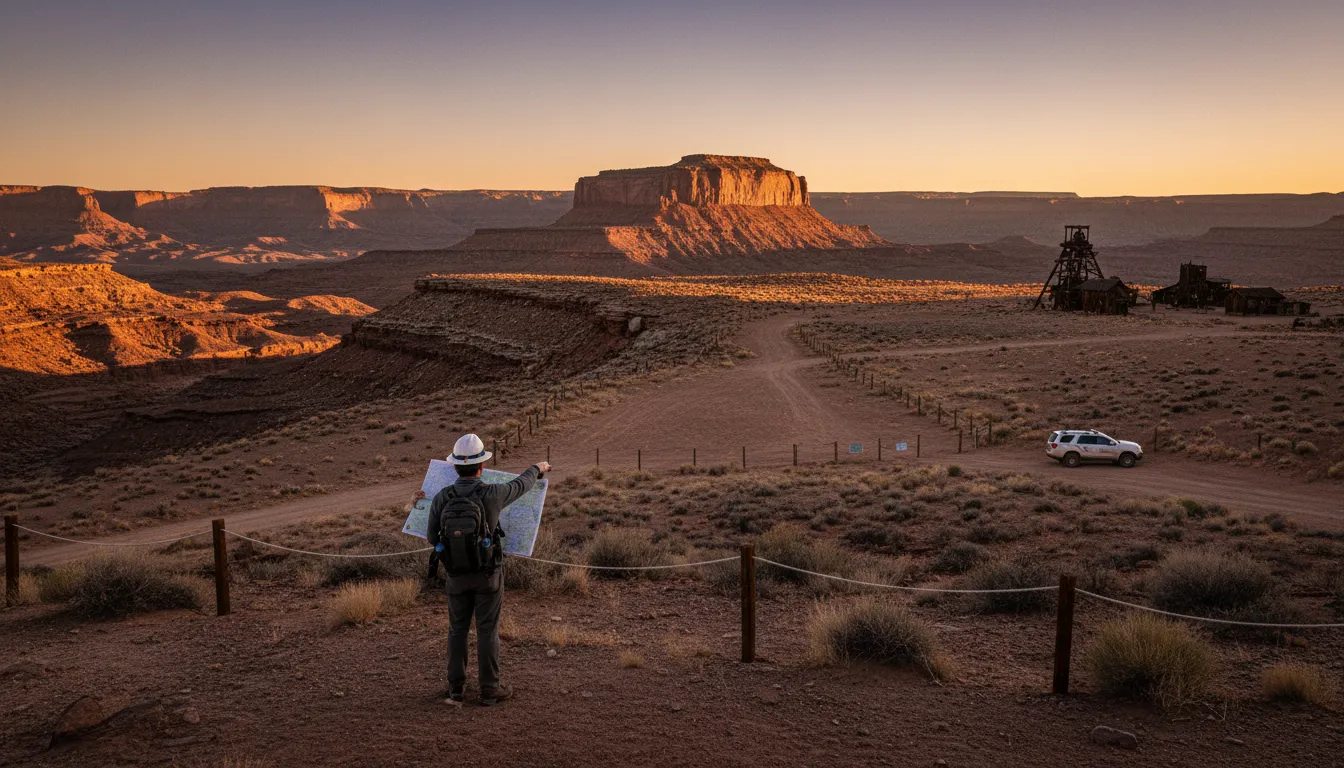
An 1872 Law Still Governs Mining on Public Land
Beneath the forests, deserts, and waterways of the American West lies an enormous mineral estate. The Bureau of Land Management oversees roughly 245 million acres of surface land and 709 million acres of subsurface mineral rights—nearly a third of all mineral rights in the United States. By default, most of that land is open to mining, thanks to a law signed by President Ulysses S. Grant more than 150 years ago.
The General Mining Law of 1872 declared all valuable mineral deposits on federal land "free and open to exploration and purchase." Born from the California Gold Rush, the statute let any U.S. citizen stake a claim on public land and extract hardrock minerals—gold, silver, copper, nickel—without paying federal royalties. Unlike coal or oil, which require leases and royalty payments, hardrock mining on federal land still operates under this framework, largely unchanged.
But what happens when a mine threatens a national treasure? That is where mineral withdrawals come in.
What a Mineral Withdrawal Actually Does
A mineral withdrawal is a formal government action that closes specific federal lands to new mining claims. Once a withdrawal is in effect, no prospector can stake a new claim in the area—though miners who already hold valid existing claims may continue operating.
Withdrawals do not change land ownership or restrict other activities like hiking, fishing, or logging. They target one thing: new mineral entry under the 1872 Mining Law. Think of it as a targeted pause button on future mining, not a blanket land-use ban.
Who Has the Authority—and How
Two paths lead to a mineral withdrawal:
- Executive withdrawal: Under Section 204 of the Federal Land Policy and Management Act (FLPMA) of 1976, the Secretary of the Interior can withdraw lands for up to 20 years. The managing agency—typically the BLM or the U.S. Forest Service—submits an application. The process requires environmental review under the National Environmental Policy Act (NEPA) and includes public comment periods.
- Congressional withdrawal: Congress can enact a permanent mineral withdrawal through legislation, bypassing the 20-year limit. Congressional withdrawals are harder to reverse because they require another act of Congress to undo.
For executive withdrawals larger than 5,000 acres, FLPMA originally included a provision allowing Congress to block the action through a concurrent resolution. However, courts have deemed that mechanism unconstitutional, leaving the executive branch with broad authority over temporary withdrawals.
Notable Withdrawals—and Reversals
Some of America's most iconic landscapes owe their protection to mineral withdrawals. In 2012, the Obama administration withdrew roughly one million acres around the Grand Canyon from new uranium mining claims for 20 years. The withdrawal aimed to protect the Colorado River watershed and tribal cultural sites from contamination.
Lands surrounding Yellowstone National Park have similarly been shielded from gold mining through withdrawal actions. More recently, the Biden administration used the tool to impose a 20-year moratorium on copper-nickel mining in the watershed of Minnesota's Boundary Waters Canoe Area Wilderness, one of the most visited wilderness areas in the country.
But withdrawals can be reversed. Congress can use legislation to overturn executive withdrawals, and a subsequent administration can choose not to renew a 20-year withdrawal when it expires. The political tug-of-war over these decisions reflects a deeper tension in American land policy: should federal land primarily serve resource extraction, or conservation?
Why It Matters
The stakes are rising. Demand for critical minerals like copper, cobalt, and lithium—essential for electric vehicles and renewable energy—has intensified pressure to open more federal land to mining. At the same time, metal mining remains the leading source of toxic pollution in the United States, according to EPA data, making the environmental risks significant.
Mineral withdrawals sit at the intersection of energy policy, environmental protection, Indigenous rights, and economic development. As long as the 1872 Mining Law remains on the books, they will remain one of the few tools available to tip the balance away from extraction—and one of the most fiercely contested.