Babiš Convenes Security Council: Repatriation of 3,500 Czechs
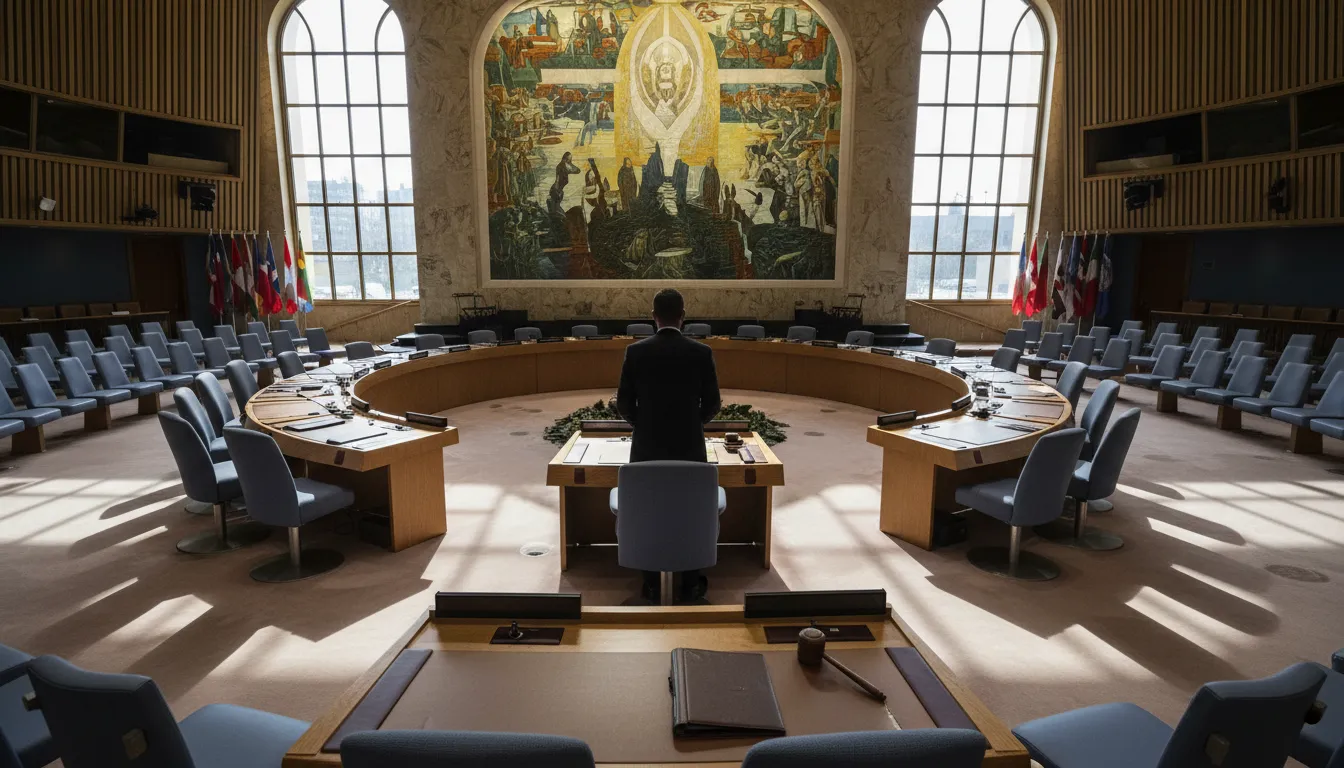
Prime Minister Andrej Babiš convened the National Security Council on Monday morning in response to the escalating conflict in the Middle East. The Czech Republic has launched repatriation flights for thousands of Czechs stranded in the region and increased security measures at home.
Security Council Met From Early Morning
Prime Minister Andrej Babiš convened the National Security Council (BRS) on Monday morning in response to the dramatic escalation of the conflict in the Middle East. American and Israeli forces launched coordinated strikes on Iran on Saturday, which immediately responded with missile attacks on Israel and American bases in the region. The BRS meeting began at seven o'clock in the morning and focused on three key areas: the repatriation of Czech citizens, security measures at home, and the possible economic impacts of the conflict.
Thousands of Czechs Stranded in the Region
According to the DROZD voluntary registration system, over six thousand Czech citizens are currently registered in the Middle East. The largest group — approximately 3,500 people — is located in the United Arab Emirates. Another 900 Czechs are registered in Oman, and hundreds more in Jordan and Israel. Smaller groups are reported in Saudi Arabia, Lebanon, Bahrain, and Kuwait. A few citizens are registered in the high-risk countries of Iran, Iraq, and Syria.
Closed airspace over most of the affected countries significantly complicates evacuation options. Tourists report stress and uncertainty. Czech basketball player Jakub Houška, staying in Abu Dhabi, described the situation as follows: "We only hear explosions when the anti-aircraft defense is activated, and we see it firing in the sky." Filip Mikšů, in Kuwait, felt that "almost nothing was working" and worried about whether it would be possible to fly out even after the airspace reopened.
Four Smartwings Aircraft Headed to Oman
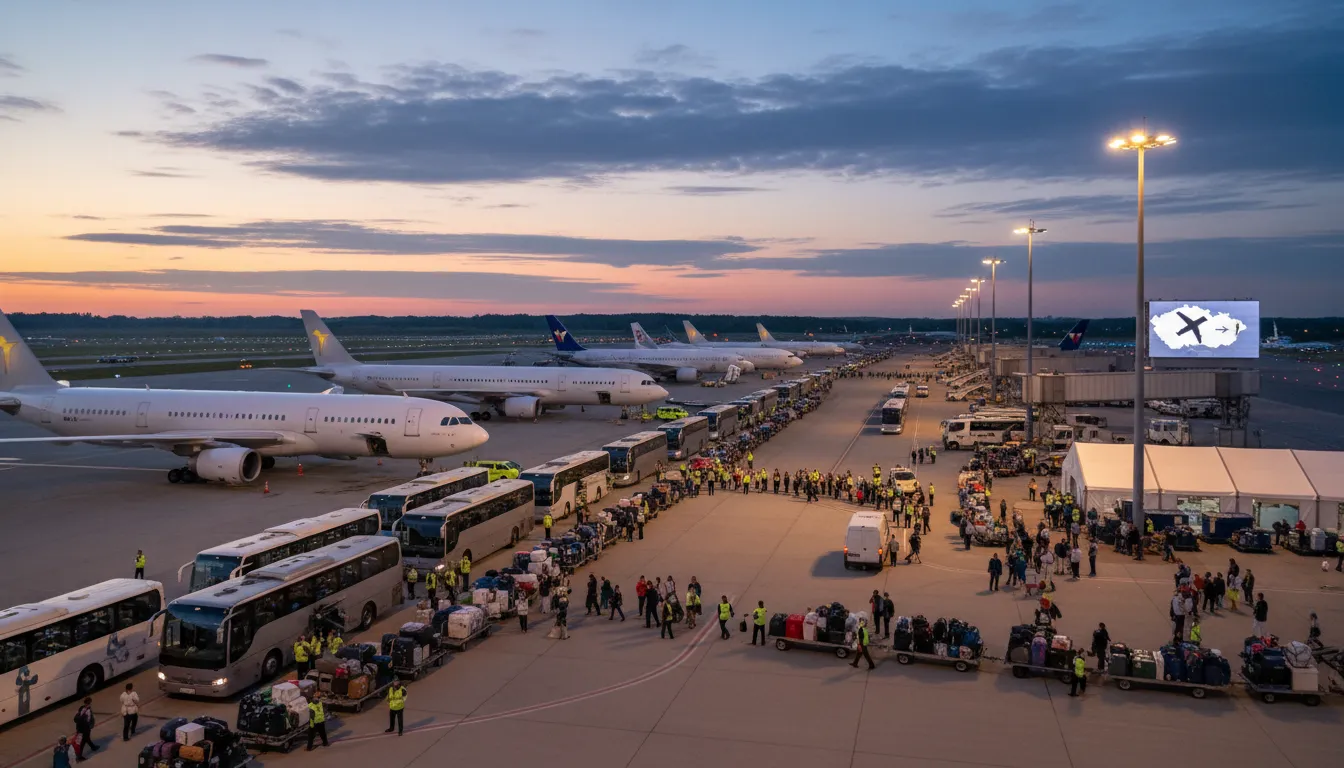
After the morning BRS meeting, Prime Minister Babiš announced concrete steps. Four Smartwings airlines aircraft departed for Oman on Monday — three to Muscat and one to Salalah. Each Boeing 737 Max can accommodate up to 189 passengers, bringing the total capacity of the repatriation flights to 756 seats. Approximately 650 Czechs have expressed interest in repatriation.
The Czech Republic also has two Airbuses and eight CASA aircraft available for potential larger-scale evacuations. For Czechs stranded in Israel, the Ministry of Foreign Affairs is preparing a rescue route through Egypt — by bus to the Egyptian border and from there by plane home. The ministry has activated a 24/7 crisis hotline +420 222 420 222. The Czech Republic is coordinating the situation with Slovakia, which was planning its own repatriation flight from Jordan.
Security Threats on Home Soil
Foreign Minister Petr Macinka warned that the escalation of the conflict could have direct impacts on security in the Czech Republic. He pointed to the risk of activation of Iranian cells on the territory of the Czech Republic and other Western countries. In response to this warning, security forces immediately strengthened the protection of Jewish and American sites on Czech territory.
Macinka also urged Czechs in the affected areas not to attempt their own evacuation. "It is safer to stay in place and not try to move on your own responsibility," the minister emphasized.
Energy Prices Under Scrutiny
The Security Council also addressed the economic dimension of the crisis. Deputy Prime Minister and Minister of Industry Karel Havlíček pointed out the potential impact of the conflict on the prices of oil and natural gas. The Middle East is a key producer of fossil fuels, and any escalation could lead to a significant increase in energy prices on European markets — with a direct impact on Czech households and industry. Prime Minister Babiš concluded by emphasizing that the Czech Republic stands by its allies and promised to keep the public informed about further developments.