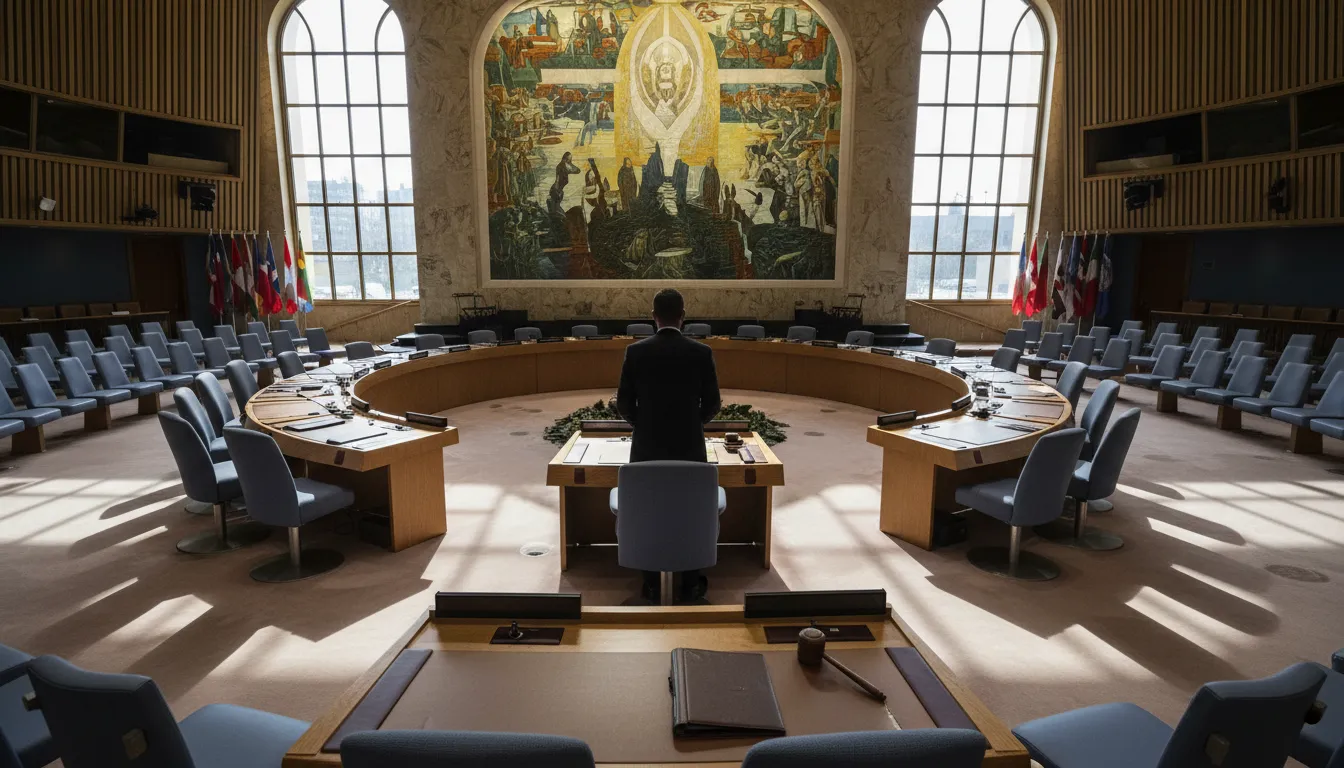
Druzhba Pipeline Dispute: Kyiv Proposes Dates, Fico Hesitates to Travel
The Ukrainian President's office has offered Prime Minister Fico dates of March 6th and 9th for negotiations in Kyiv regarding the Druzhba oil pipeline. Zelenskyy refuses a meeting outside Ukraine, while Fico insists on EU soil, creating a diplomatic impasse that fundamentally threatens Slovakia's energy security.
Kyiv Proposes Specific Dates, Bratislava Remains Silent
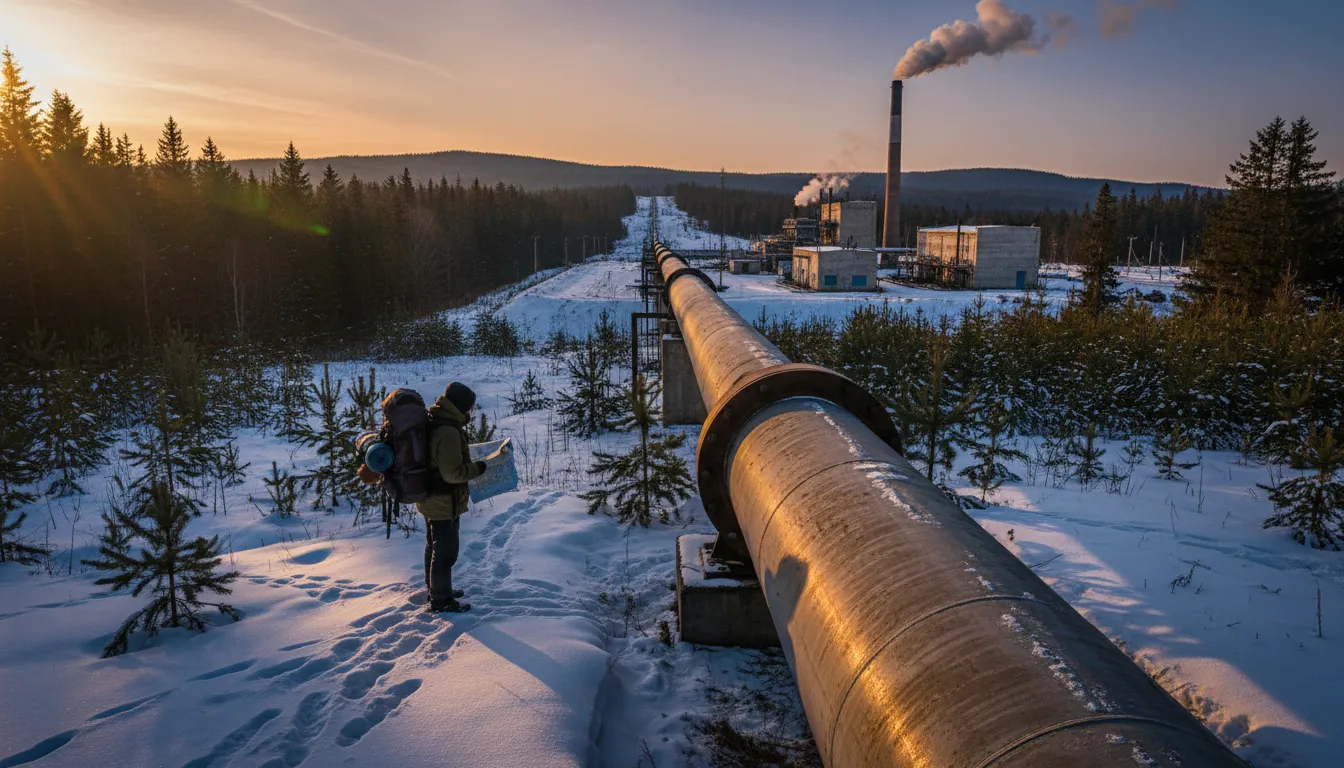
The Ukrainian President's office has proposed two specific dates to Prime Minister Robert Fico for negotiations in Kyiv: March 6th and 9th, 2026. The topic is to be the resumption of oil transit through the Druzhba pipeline, which has been halted since January 27th, when a Russian drone strike damaged infrastructure near the Ukrainian Brody pumping station. Slovakia and Hungary maintain that Kyiv is deliberately blocking the flow of oil and using it as a political lever.
President Volodymyr Zelenskyy justified the invitation to Kyiv simply: negotiations on the pipeline must take place in Ukraine, because that is where the disputed infrastructure is physically located. "The Prime Minister originally agreed to come here, where the negotiations are taking place and where the pipeline is located. Why should we travel elsewhere?" Zelenskyy said, urging Fico to stop communicating through social media and meet with him in person.
Fico Insists on EU Talks, Zelenskyy Rejects the Idea
While the Slovak Prime Minister accepted the invitation to Kyiv, he immediately changed the conditions. Fico announced that he would not travel to the Ukrainian capital unless the European Commission provided him with significant diplomatic support. He prefers a meeting on the territory of an EU member state, or directly in Brussels. Zelenskyy has publicly rejected such an arrangement as inappropriate.
In parallel, Fico claims to have satellite images proving that the pipeline infrastructure is not so damaged that it cannot function. Kyiv denies this, stating that the pipeline can be technically repaired no sooner than six weeks.
Energy Pressure on Bratislava is Growing
The situation for Slovakia is also complicated by geopolitical developments outside the European continent. American-Israeli attacks on Iran at the end of February 2026 sparked tensions in the Strait of Hormuz, a key artery for the global oil and gas market. According to an analysis by the Institute for Central Europe, the combination of the Druzhba outage and the eventual closure of the Strait of Hormuz would directly threaten the energy security of Central European countries, including Slovakia.
Bratislava is particularly vulnerable, as the only Slovak refinery, Slovnaft, is technologically adapted to process Russian oil. An alternative route through the Croatian Adria pipeline is available, but is capacity-constrained and more expensive. Slovakia has therefore declared a state of energy emergency.
Bratislava Reaches for Financial Leverage
As diplomatic negotiations have stalled, Fico has resorted to tougher measures. Slovakia has suspended emergency electricity supplies to Ukraine and threatened to block a European Union loan to Kyiv worth 90 billion euros. According to Fico, the condition for unlocking support is allowing international inspectors to the damaged section of the pipeline, which Zelenskyy has so far refused, citing a negative opinion from the Ukrainian secret service.
Hungarian Prime Minister Viktor Orbán is in the same position as Fico; together they have proposed the creation of a commission of experts from the European Commission and member states to assess the actual condition of the pipeline. However, Kyiv has not yet responded positively to such a format.
Diplomatic Dead End with Real Consequences
The dispute over the Druzhba pipeline demonstrates the fragility of Slovak-Ukrainian relations at a time when Bratislava needs energy cooperation from Kyiv, but Kyiv needs political and financial support from Bratislava. Every day without an agreement increases import costs, burdens the state budget and weakens the negotiating position of both sides. Whether the leaders will eventually meet – and where – remains open.