Four Years of War: US Abstains on Ukraine UN Vote
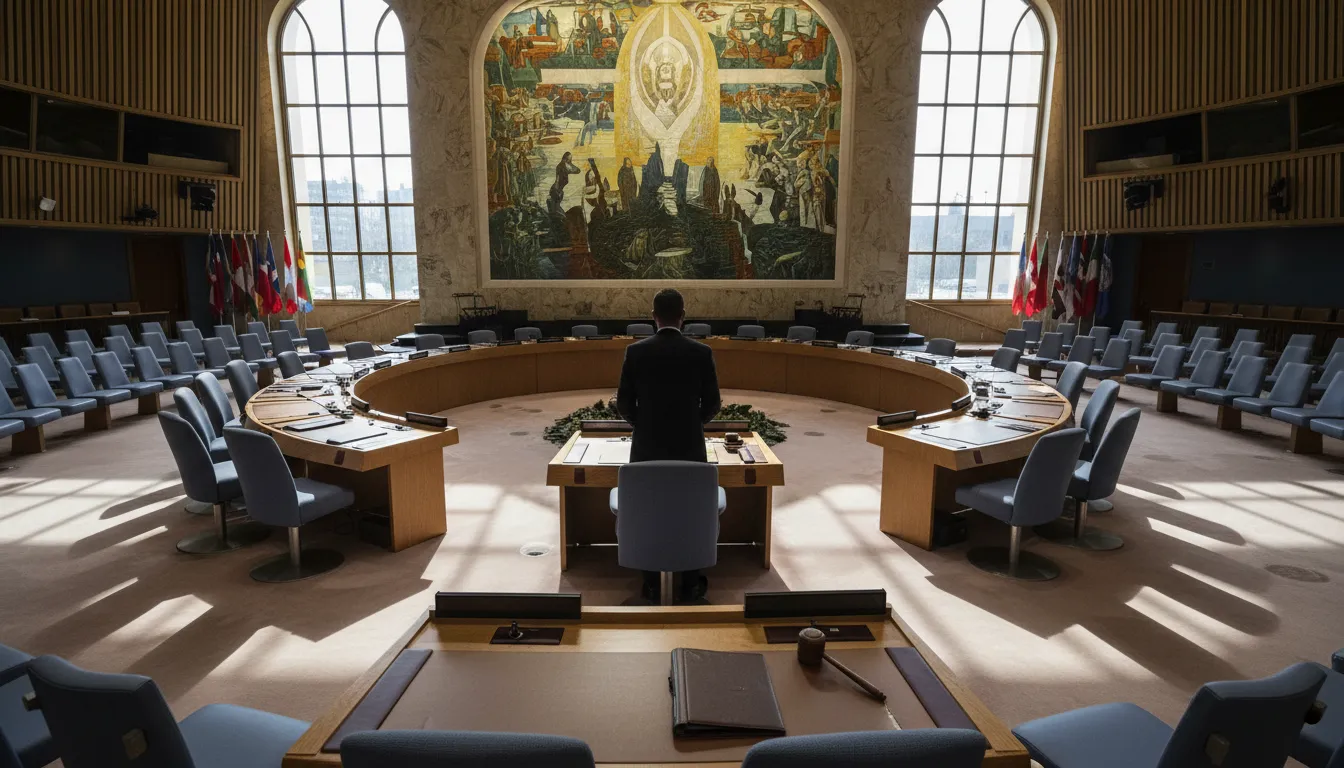
On the fourth anniversary of Russia's full-scale invasion, the UN General Assembly voted 107-12 to demand a ceasefire in Ukraine — but the United States broke with allies and abstained, exposing deep fractures over how to end the longest war in Europe since World War II.
A War Without End Reaches a Grim Milestone
Four years ago, Russian tanks crossed into Ukraine. World leaders predicted Kyiv would fall within days. Instead, on February 24, 2026, the war grinds on — and the diplomatic landscape around it has shifted in ways few predicted. The United Nations General Assembly marked the anniversary with a landmark vote, but it was an absence, not a presence, that dominated the headlines: the United States sat on its hands for the first time.
The Vote: 107 for Peace, But Washington Steps Aside
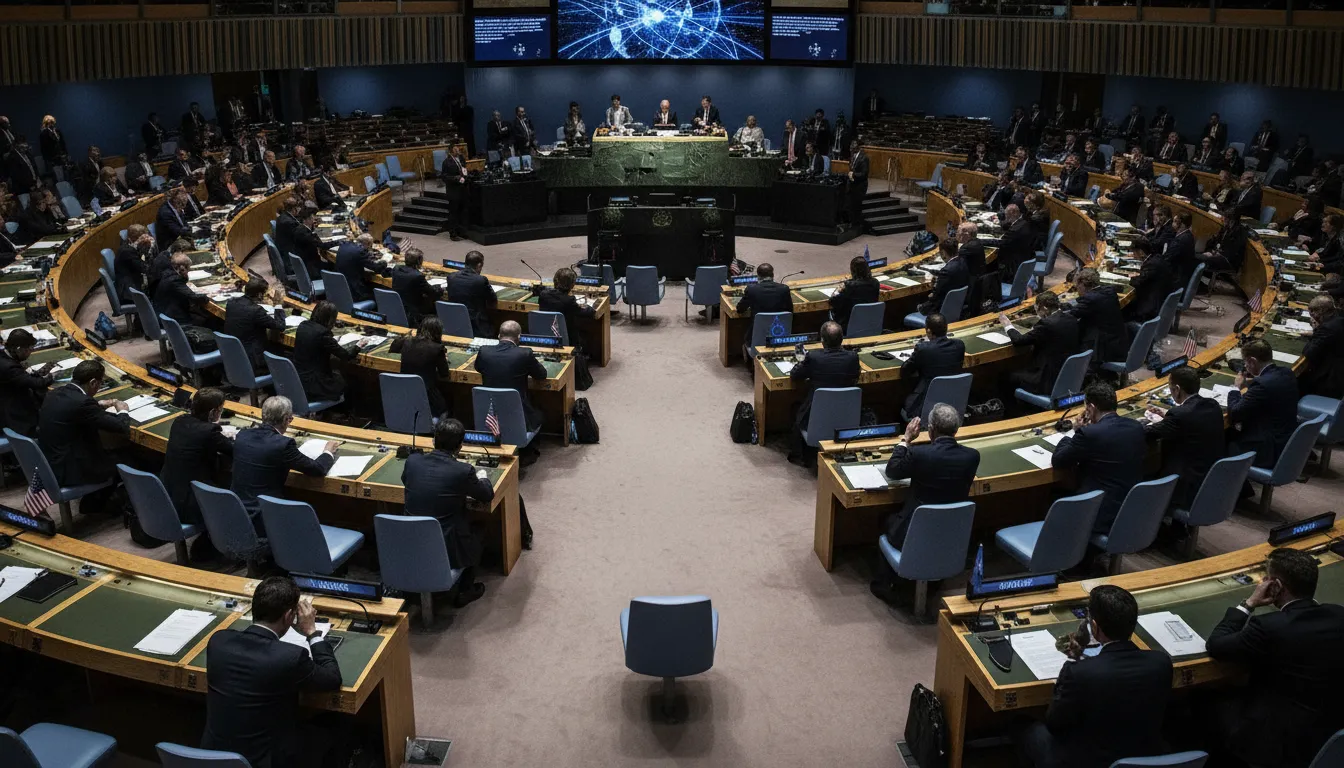
The UN General Assembly adopted a resolution titled "Support for Lasting Peace in Ukraine" by a vote of 107 in favour, 12 against, and 51 abstentions. The text called for an immediate, full, and unconditional ceasefire, the release of all unlawfully detained persons, and the return of civilians forcibly deported — including children.
In previous years, the United States voted alongside European allies to condemn Russia's actions. This time, Washington abstained. US Deputy Ambassador Tammy Bruce warned that certain language in the resolution was "likely to distract from ongoing negotiations rather than support discussion of the full range of diplomatic avenues." She added: "We believe we are closer to a deal than at any point since this war began."
The 12 countries that voted against the resolution included Belarus, Iran, and North Korea. The 51 abstentions — a broad camp — encompassed the US, China, India, Brazil, Hungary, and the UAE, according to the Kyiv Independent.
The State of the War in Numbers
The human cost of four years of fighting is staggering. According to analysis from the Center for Strategic and International Studies, Russia has suffered approximately 1.2 million casualties, including up to 325,000 troop deaths. Ukraine's military losses are estimated between 500,000 and 600,000. An independent tracking project confirmed over 200,000 Russian deaths as of the anniversary.
Ukraine President Volodymyr Zelenskyy stated that 55,000 Ukrainian soldiers had been killed — a figure likely conservative given the fog of war. Some 3.7 million Ukrainians remain internally displaced, and nearly 5.9 million are registered as refugees abroad, according to PBS NewsHour.
Russia now controls roughly 20% of Ukrainian territory, having gained approximately 4,800 square kilometers in 2025 alone — though at an enormous cost in lives.
Peace Talks at an Impasse
Diplomacy, for now, is stuck. Russia's President Vladimir Putin is demanding full Ukrainian withdrawal from the Donbas region — a condition Kyiv firmly rejects. Zelenskyy, speaking to his nation on the anniversary, struck a defiant tone: "Putin has not achieved his goals. He has not broken Ukrainians."
The Kremlin, however, sees no reason to concede. Spokesman Dmitry Peskov acknowledged that Moscow's wartime objectives have "not been fully achieved yet, which is why the military operation continues."
US President Donald Trump has pressed Ukraine to reach a deal quickly, per NBC News, telling Kyiv it had better "come to the table fast." Zelenskyy has grown visibly frustrated with Washington's emphasis on Ukrainian concessions. Russia's UN representative warned the General Assembly against a "hasty truce" that does not address the conflict's root causes.
A Divided World
The UN vote result — with more support than the 93 votes Ukraine received a year ago — signals that global backing for Kyiv's position has actually rebounded. But the US abstention is a geopolitical tremor. For the first time, Washington aligned itself with abstainers rather than defenders of Ukraine's sovereignty.
As the war enters its fifth year, the fundamental questions remain unanswered: how much territory will Ukraine concede, how much longer will Europe fund the fight, and whether American diplomacy can bridge the gulf between Kyiv's red lines and Moscow's ambitions. The anniversary offered no answers — only a sharper picture of how far the world still has to go.