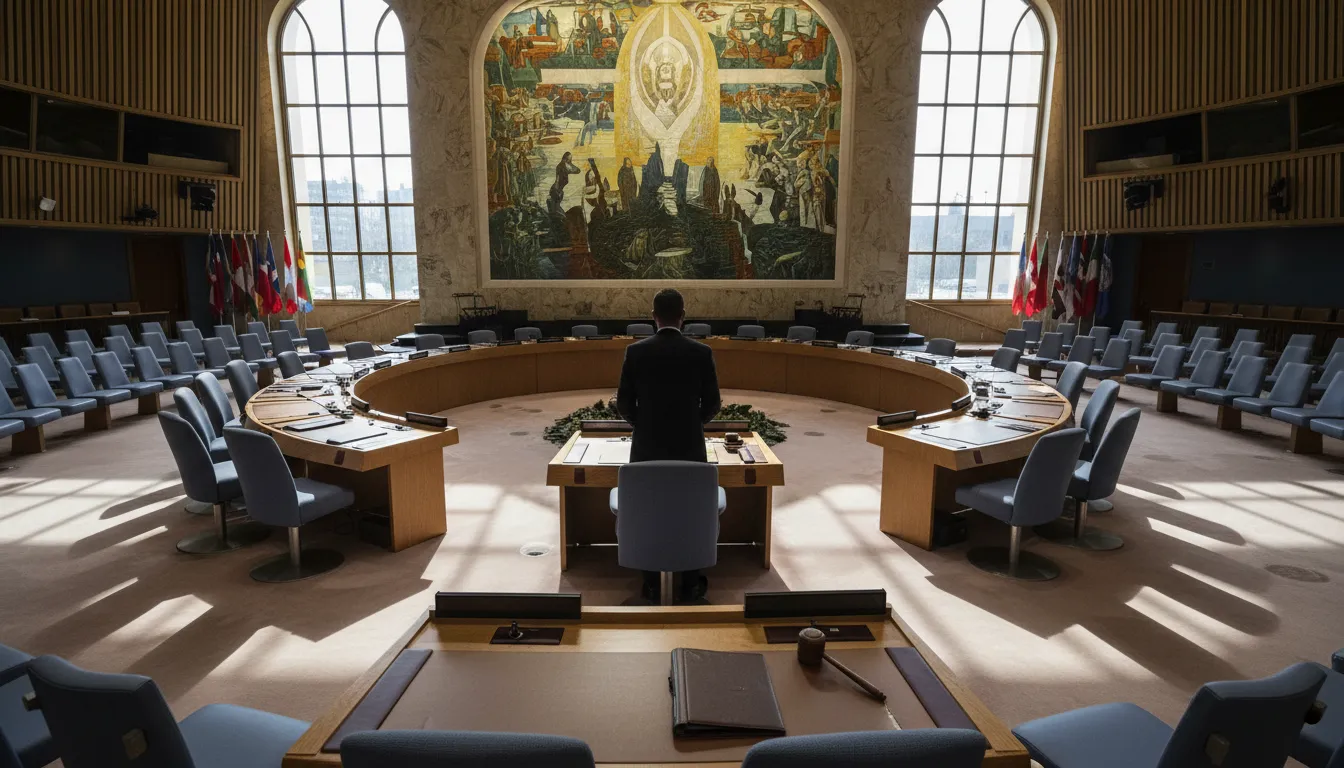
Franco-American Crisis: Paris Isolates Ambassador Kushner
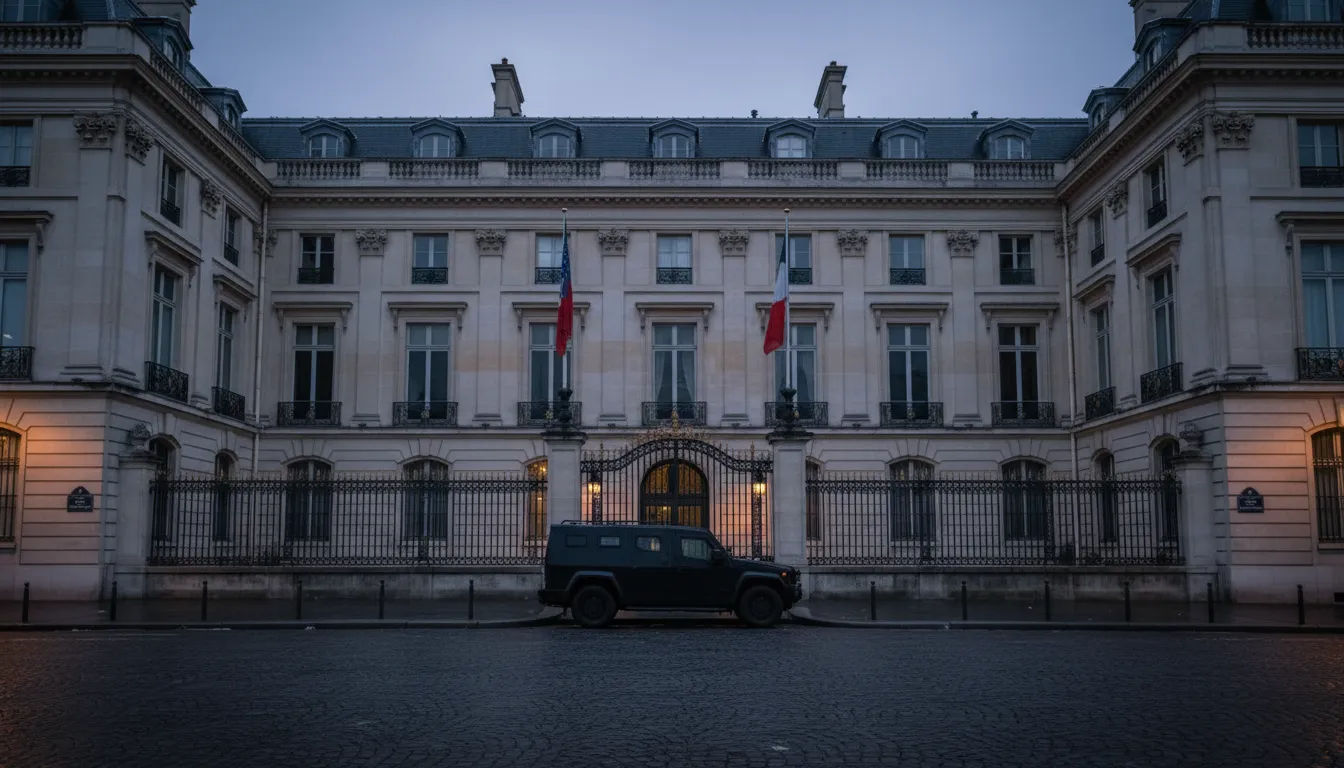
After U.S. Ambassador Charles Kushner ignored a summons from the Quai d'Orsay regarding Washington's statements on the death of far-right activist Quentin Deranque in Lyon, France has taken the unprecedented step of cutting off his direct access to members of the government.
The 'Quentin Affair' Enters Transatlantic Diplomacy
It all began on February 12, 2026, in the streets of Lyon. Quentin Deranque, a 23-year-old student and far-right identitarian activist, was attacked during clashes on the sidelines of a student meeting attended by LFI MP Rima Hassan. Two days later, he succumbed to his injuries. His death triggered a political shockwave throughout France — and, very quickly, a major diplomatic crisis with Washington.
A post on the social network X ignited the situation. The U.S. State Department's counter-terrorism bureau stated that "information, corroborated by the French Minister of the Interior, indicates that Quentin Deranque was killed by left-wing activists." Paris sees this as a blatant interference in French domestic political debate and immediately summoned the U.S. ambassador.
A Summons Ignored, an Unprecedented Sanction
Ambassador Charles Kushner — a New York real estate developer, father of Jared Kushner, and appointed to the post by Donald Trump — did not appear at the Quai d'Orsay. This absence, described as a "surprise" by diplomatic sources, provoked the fury of the French authorities.
In response, Foreign Minister Jean-Noël Barrot took an unprecedented decision in recent Franco-American diplomatic history: to ban the ambassador from any direct access to members of the French government. Kushner retains the possibility of conducting his ordinary diplomatic activities and appearing at the ministry for formal exchanges, but can no longer directly solicit ministers.
This is not the first time that Kushner has defied the customs of diplomatic protocol with Paris. In August 2025, he already ignored a summons related to a letter sent to President Emmanuel Macron in which he accused France of not sufficiently combating anti-Semitism.
Deep Transatlantic Friction
The incident reveals the deep tensions that have run through the Franco-American relationship since Donald Trump's return to the White House. Under Secretary of State Sarah Rogers had also published a message stating that "when you decide to kill people for their opinions rather than convince them, you place yourself outside of civilization" — a phrase perceived in Paris as a partisan interpretation of facts still under judicial investigation.
For many observers, the American approach is part of a broader pattern: the Trump administration is multiplying signals of support for European identitarian and populist movements, blurring the lines between domestic politics and international diplomacy. Several European capitals have had to deplore similar interference in recent months.
A Fragile De-escalation
On February 24, 2026, Charles Kushner called Jean-Noël Barrot. The U.S. embassy indicated that the two men had "a frank and friendly conversation," reaffirming their "shared commitment to working together on the many issues that concern the United States and France." Kushner pledged not to interfere in the French public debate, and the two sides agreed to meet soon.
But the crisis leaves its mark. By responding with unusual firmness, Paris sent a clear signal to Washington: Franco-American relations, even between allies within NATO, require basic mutual respect. In the Trump era, transatlantic diplomacy takes nothing for granted anymore.