The 2020s on Track to Become the Slowest Growth Decade Since the 1960s
International financial institutions project global growth of just 2.7-3.3% in 2026, confirming fears that the current decade will deliver the weakest economic expansion in over sixty years amid trade tensions, persistent inflation, and structural
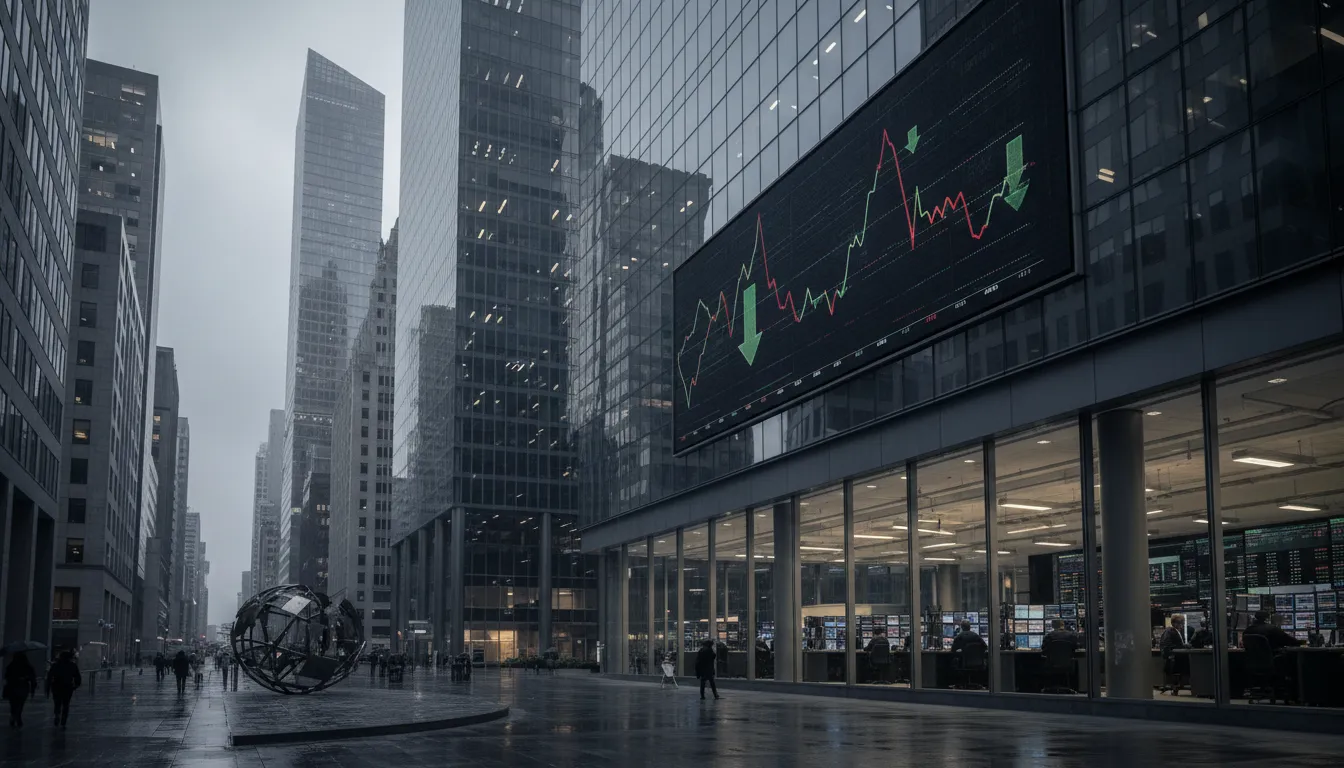
A Decade of Diminished Expectations
As the world moves through the mid-2020s, a sobering consensus is forming among the world's leading economic institutions: this decade is on course to deliver the weakest global growth since the 1960s. The International Monetary Fund's January 2026 World Economic Outlook projects global growth at 3.3 percent for 2026 and 3.2 percent for 2027, figures that, while revised slightly upward from October 2025 estimates, remain stubbornly below pre-pandemic norms.
The World Bank frames the situation in even starker terms. If current forecasts materialize, average global growth in the first seven years of the 2020s would represent the slowest pace since the era of the Beatles and the Apollo program. The projections fall below the pre-pandemic average of 3 percent and are dramatically lower than the 4.4 percent average that characterized the years before the 2008-2009 financial crisis.
Advanced Economies Face Particular Challenges
Growth in advanced economies is projected at just 1.8 percent in 2026 and 1.7 percent in 2027, reflecting the compounding effects of aging populations, elevated debt levels, and weak productivity gains. The IMF's latest baseline characterizes the global outlook as 'stable but fragile,' a description that captures both the absence of imminent recession and the lack of genuine dynamism.
The United Nations Conference on Trade and Development has been even more cautious, projecting global growth could slow to as low as 2.6 percent through 2026. This lower-bound estimate reflects concerns about the disruptive potential of escalating trade disputes and the uneven distribution of technological gains.
Trade Policy as a Macro Driver
Perhaps the most significant shift in the economic landscape is the elevation of tariffs and industrial policy from side issues to primary macroeconomic drivers. The proliferation of protectionist measures, reshoring initiatives, and strategic trade restrictions has introduced a new layer of uncertainty that businesses and investors must navigate.
Deloitte's global economic outlook for 2026 notes that these policy shifts are reshaping supply chains, altering investment patterns, and creating winners and losers across the global economy. For developing nations that have relied on export-led growth strategies, the new trade environment poses existential questions about their development models.
Inequality and the Human Cost
Beyond the headline growth figures lies a more troubling story about distribution. High inflation in food and energy prices continues to disproportionately burden low-income households, widening inequality both within and between nations. For the billions of people in developing countries who had hoped that the 2020s would bring continued convergence with wealthier nations, the decade's economic underperformance represents a setback with generational consequences.
The challenge for policymakers is clear: finding ways to reignite sustainable, inclusive growth in an era defined by geopolitical competition, demographic transition, and the costly but necessary shift to a low-carbon economy. Whether they succeed will determine whether the 2020s are remembered as a temporary setback or the beginning of a longer period of stagnation.


