How Crude Oil Prices Are Set—and Why They Spike
An explainer on how global crude oil benchmarks like Brent and WTI determine the price of oil, and what factors—from OPEC decisions to geopolitical crises—cause sudden price spikes.
Three Benchmarks, One Global Market
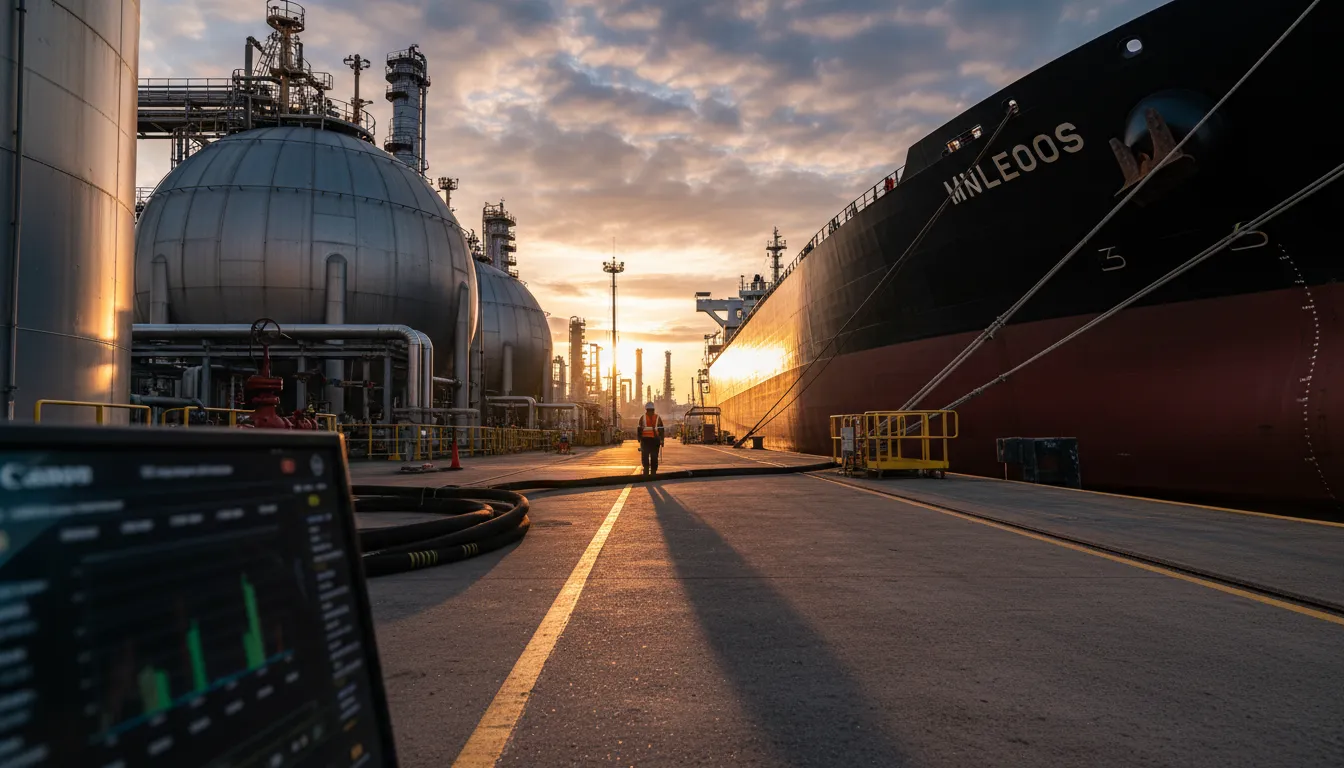
When news headlines announce that oil has hit $100 a barrel, they are usually referring to one of three benchmark crude oils—reference prices that anchor the global petroleum market. Without them, trading the hundreds of distinct crude oil grades produced worldwide would be chaotic.
The three major benchmarks are Brent Crude, a blend from North Sea fields that serves as the reference for roughly two-thirds of the world's internationally traded oil; West Texas Intermediate (WTI), a light, sweet crude priced at the Cushing, Oklahoma, storage hub and dominant in U.S. markets; and Dubai/Oman, a heavier, more sulfurous grade used to price Middle Eastern exports to Asia.
Each benchmark differs in quality and geography, but together they form the scaffolding on which virtually every barrel of crude oil is priced.
How Price Discovery Works
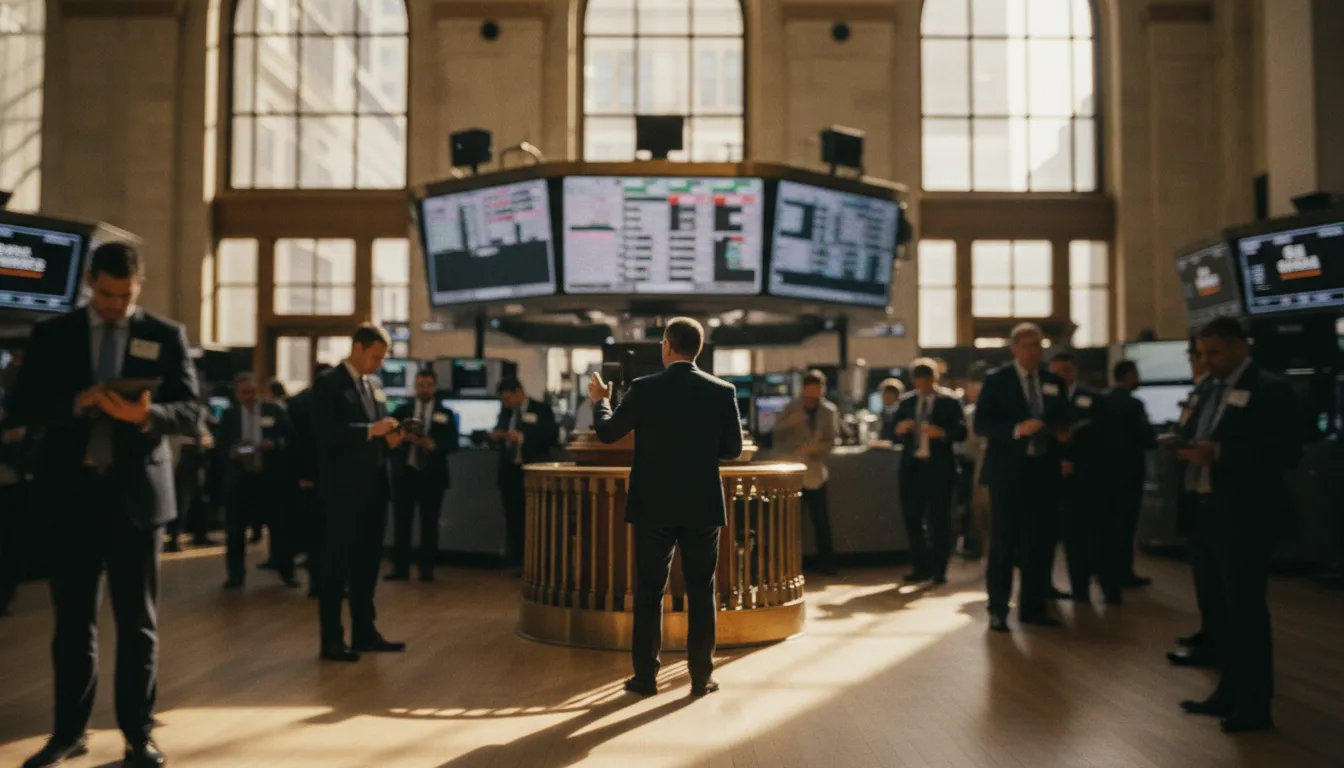
Oil prices are not set by a single authority. Instead, they emerge from the interplay of physical spot markets—where actual barrels change hands—and futures exchanges, where contracts for future delivery are traded electronically.
Brent futures trade on the Intercontinental Exchange (ICE) in London. WTI futures trade on the New York Mercantile Exchange (NYMEX). Each day, the assessed price of "Dated Brent"—cargoes loading 10 to 30 days ahead—becomes the settlement reference for over 70 percent of global seaborne crude trades, according to ICE.
In general, futures markets set the overall price level, while physical markets set the differentials between grades. The last trade on the exchange effectively becomes "the price of oil" that the world follows.
Who Trades—and Why It Matters
Two broad groups operate in oil futures markets. Commercial hedgers—producers like Saudi Aramco or refiners like Valero—use futures to lock in revenue or input costs, shielding themselves from volatility. Financial participants—hedge funds, index funds, and speculators—trade to profit from price movements without ever touching a barrel of crude.
According to the U.S. Energy Information Administration (EIA), financial participants can trade in such large volumes that they temporarily shift prices away from levels supported by physical supply and demand fundamentals. This is why oil can spike on a rumor and retreat just as fast when the rumor fades.
What Makes Oil Prices Spike
Several forces can send prices sharply higher in a matter of hours:
- Supply disruptions: Wars, sanctions, equipment failures, or natural disasters that knock production offline tighten the market immediately. Even threats to key shipping chokepoints can trigger a risk premium in prices.
- OPEC production cuts: The Organization of the Petroleum Exporting Countries and its allies (OPEC+) actively manage output targets. When OPEC cuts, supply shrinks and prices rise—especially when spare capacity is already thin.
- Demand surges: Strong global economic growth increases energy consumption for transportation, manufacturing, and heating, pulling prices upward.
- Speculative momentum: Traders responding to geopolitical news, economic data, or shifting expectations can amplify price swings well beyond what fundamentals alone would suggest.
Why Benchmarks Matter Beyond Trading Floors
Oil benchmarks ripple far beyond commodity exchanges. Governments use them to calculate tax revenues and set fuel subsidies. Airlines hedge jet-fuel costs against Brent. Motorists feel the effect at the pump within days of a benchmark move. Central banks watch oil as an inflation signal that can influence interest-rate decisions.
Understanding how these prices are set—and what sends them surging—is essential for anyone trying to make sense of energy markets, household budgets, or geopolitical strategy. The price on a futures screen is never just a number; it is a real-time verdict on global supply, demand, risk, and expectation.