How Oil Futures Set the Price You Pay at the Pump
Oil futures contracts traded on global exchanges determine crude oil prices, which account for roughly half the cost of gasoline. Understanding how these financial instruments work explains why pump prices swing so dramatically.
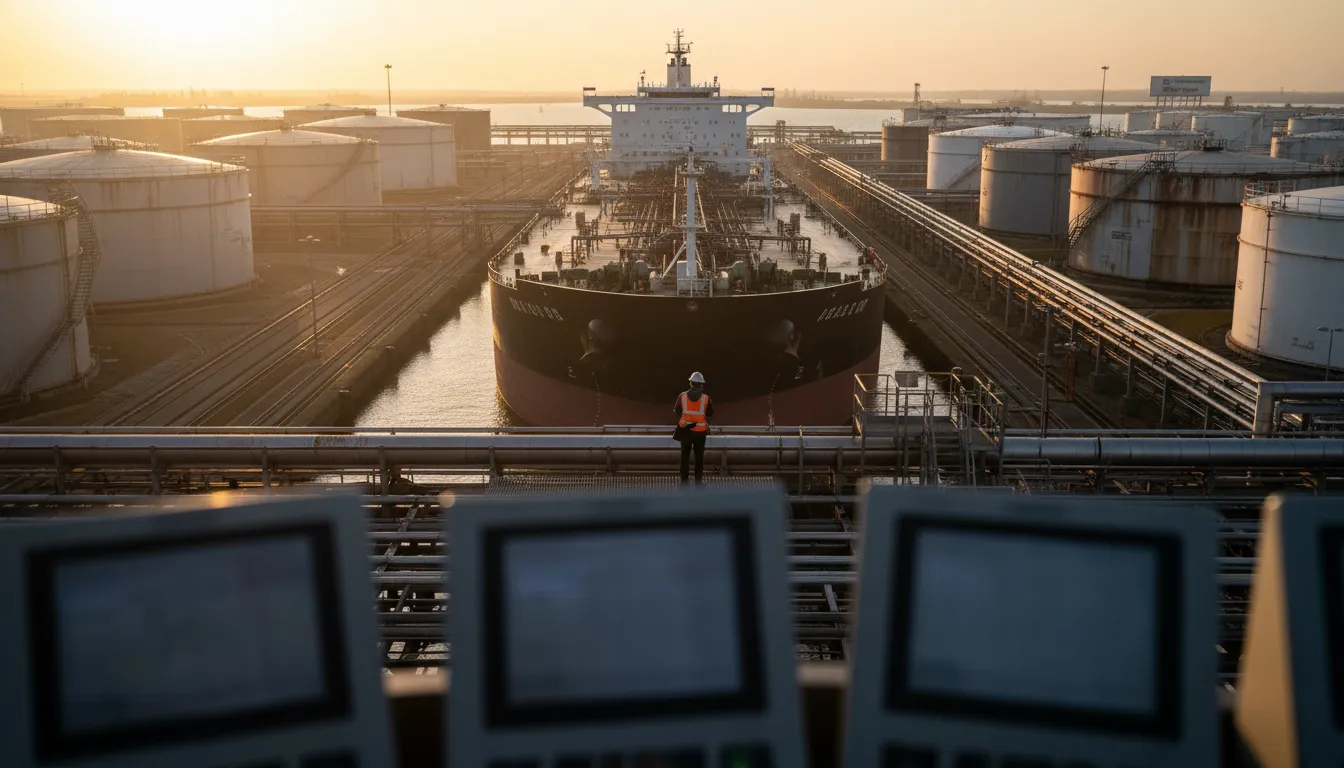
The Hidden Market Behind Gasoline Prices
When gasoline prices spike, most drivers blame oil companies or foreign governments. But the real price-setting mechanism operates in financial trading floors thousands of miles from any oil well. Oil futures contracts—standardized agreements to buy or sell crude at a set price on a future date—are the primary instruments that determine what the world pays for energy.
Crude oil accounts for roughly 51% of the cost of a gallon of gasoline, according to the U.S. Energy Information Administration. Refining adds about 20%, taxes contribute around 18%, and distribution and marketing make up the rest. Because crude dominates the equation, movements in the futures market ripple directly to the pump.
How Oil Futures Contracts Work
A futures contract obligates the buyer to purchase—and the seller to deliver—a specified quantity of oil (typically 1,000 barrels) at an agreed price on a set date. These contracts trade on regulated exchanges, primarily the New York Mercantile Exchange (NYMEX) for West Texas Intermediate (WTI) crude and the Intercontinental Exchange (ICE) for Brent crude.
WTI, sourced mainly from Texas, Louisiana, and North Dakota, serves as the North American benchmark. Brent crude, extracted from North Sea fields, acts as the global benchmark and influences prices in Europe, Africa, and the Middle East. Together, these two benchmarks anchor virtually all oil pricing worldwide.
Not everyone trading futures intends to take delivery of actual barrels. Speculators—hedge funds, institutional investors, and individual traders—buy and sell contracts to profit from price swings. While research from the European Central Bank suggests speculation does not fundamentally distort prices long-term, it can amplify short-term volatility, temporarily disconnecting futures from physical supply and demand.
What Drives Oil Prices Up and Down
Three forces dominate price movements in the futures market:
- Supply and demand fundamentals. When global consumption outpaces production, traders bid prices higher. When surplus oil floods the market, prices fall. The EIA monitors these balances through weekly inventory reports that traders watch obsessively.
- OPEC production decisions. The Organization of the Petroleum Exporting Countries and its allies (OPEC+) collectively produce about 35% of the world's crude and account for roughly half of all internationally traded oil, according to the EIA. When OPEC cuts production targets, prices typically rise; when it opens the taps, they fall.
- Geopolitical risk. Conflicts, sanctions, and political instability in oil-producing regions inject uncertainty into the market. Traders price in a "risk premium"—an extra cost reflecting the possibility that supply could be disrupted. Research from the Federal Reserve Bank of Dallas shows that while geopolitical shocks create volatility, their macroeconomic impact has historically remained limited because such disruptions tend to be temporary.
OPEC's Spare Capacity: The Market's Safety Valve
One often-overlooked factor is OPEC's spare production capacity—oil that member states could bring online within 30 days and sustain for at least 90 days. When spare capacity is high, markets feel reassured that any sudden supply shortfall can be offset quickly. When it shrinks, anxiety rises and so do prices.
From Barrel to Gas Station
Once crude oil is priced in the futures market, it begins a physical journey. Refineries purchase crude and convert it into gasoline, diesel, and jet fuel. The finished products travel through pipelines to regional terminals, where they may be blended with ethanol to meet local regulations. From there, tanker trucks carry fuel to individual gas stations.
At each step, costs accumulate. The federal excise tax adds 18.4 cents per gallon, while state taxes and fees average another 33.55 cents, according to the latest data. Retailers add their own markup for operating costs and profit. But the starting point—the futures-determined crude price—remains the single largest variable.
Why It Matters for Everyone
Oil futures may seem like an abstraction reserved for Wall Street traders, but their impact is universal. Higher crude prices raise costs for transportation, manufacturing, agriculture, and heating—expenses that flow through the economy and into consumer prices for everything from groceries to airline tickets. Understanding how this market works is the first step toward making sense of the price swings that affect household budgets worldwide.