How Psilocybin Therapy Works—and Why It May Transform Psychiatry
Psilocybin therapy combines a psychedelic compound from mushrooms with structured psychotherapy to rewire brain networks linked to depression, with Phase 3 trials now pointing toward potential FDA approval.
A Psychedelic Renaissance in Mental Health
For decades, psilocybin—the psychoactive compound found in over 200 species of fungi—was dismissed as a recreational drug with no medical value. That view is rapidly changing. Major research universities, pharmaceutical companies, and regulatory agencies are now treating psilocybin as a serious candidate for treating severe depression, anxiety, and other psychiatric conditions that resist conventional treatment.
Unlike traditional antidepressants that patients take daily for months or years, psilocybin therapy typically involves just one or two doses administered in carefully controlled clinical sessions. The results from clinical trials have been striking enough to earn FDA Breakthrough Therapy designation and push the compound toward potential approval.
How Psilocybin Acts on the Brain
Once ingested, psilocybin is rapidly converted by the body into psilocin, which binds to serotonin 5-HT2A receptors—proteins abundant in brain networks that become overactive in depression. This triggers a cascade of neurobiological changes.
According to research published in Nature Medicine, psilocybin increases glutamate transmission, which promotes the release of brain-derived neurotrophic factor (BDNF), a protein that supports neuronal regeneration and neuroplasticity—the brain's ability to form new connections.
Brain imaging studies at UC San Francisco found that psilocybin reduces connectivity within tightly linked brain areas—including the default mode network, which governs self-referential thinking and rumination—while simultaneously increasing connections to regions that had been poorly integrated. In plain terms, the drug appears to break rigid thought patterns and make the brain more flexible and fluid.
The Three-Phase Therapy Model
Psilocybin is not a pill patients take at home. Clinical protocols follow a structured three-phase model combining the drug with professional psychotherapy.
Preparation
Patients meet with trained therapists to discuss mental health history, set intentions, and build trust. This phase addresses fears about the experience and establishes a safe psychological foundation.
The Dosing Session
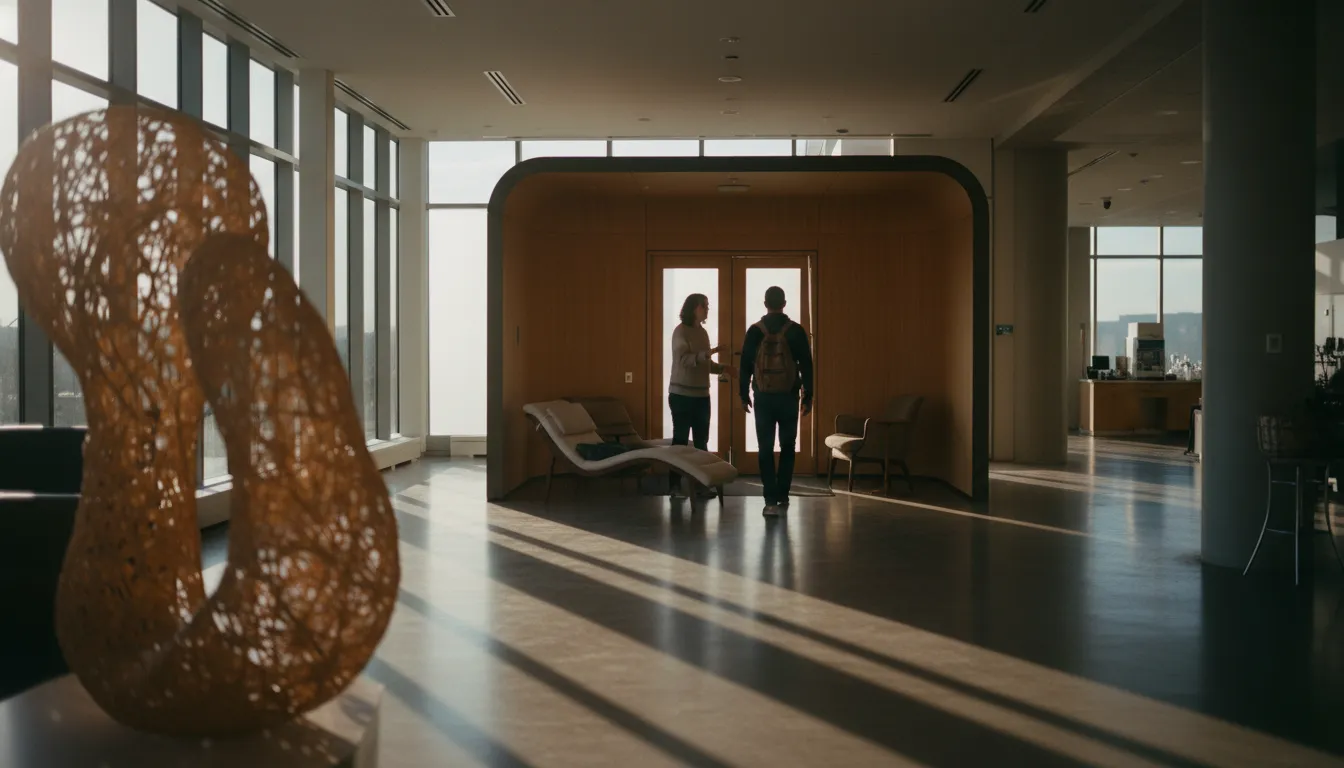
The core session lasts six to eight hours. Patients ingest a capsule of synthetic psilocybin—typically 25 mg for a therapeutic dose—in a comfortable clinical setting. Two therapists remain present throughout. Patients often wear eye shades and listen to curated music playlists, with therapists adopting a non-directive approach: attentive but largely silent, intervening only when needed.
Integration
In follow-up sessions, patients and therapists work together to interpret the experience, extract insights, and translate them into lasting behavioral and cognitive changes. Researchers at Johns Hopkins emphasize that this integration phase is critical—without it, the therapeutic benefits diminish significantly.
What Clinical Trials Show
The most advanced program belongs to COMPASS Pathways, which has completed two Phase 3 trials of its synthetic psilocybin formulation, COMP360, for treatment-resistant depression. Both trials met their primary endpoints, with patients receiving the drug showing statistically significant improvement over placebo groups. Across three clinical trials enrolling over 1,000 participants, the company has gone 3-for-3 on primary endpoints.
A landmark study published in the New England Journal of Medicine found that a single dose of psilocybin produced rapid and sustained antidepressant effects in patients who had not responded to conventional treatments. Researchers are also investigating psilocybin for conditions including chronic pain, anorexia nervosa, and Parkinson's-related depression.
Risks and Open Questions
Psilocybin therapy is not without concerns. Some patients experience anxiety, confusion, or distressing psychological episodes during sessions. The requirement for trained therapists and hours-long supervised sessions makes the treatment expensive and difficult to scale. Questions also remain about long-term durability—whether the benefits persist for months or years—and how to standardize therapist training across thousands of potential treatment sites.
Regulators must also decide how to classify and control a substance that remains a Schedule I drug under U.S. federal law, even as individual states and cities have moved to decriminalize it.
What Comes Next
COMPASS Pathways plans to file a rolling application with the FDA, with a potential approval decision expected in late 2026 or early 2027. If approved, COMP360 would become the first psilocybin-based medicine on the market, potentially opening the door for a new class of psychiatry that treats the brain not with daily doses but with rare, powerful experiences designed to reset its wiring.