How Runway Incursions Happen—and How Airports Stop Them
Runway incursions remain one of aviation's most dangerous ground hazards. Here's how they happen, why they persist, and what technology airports use to prevent catastrophic collisions.
A Constant Threat on the Tarmac
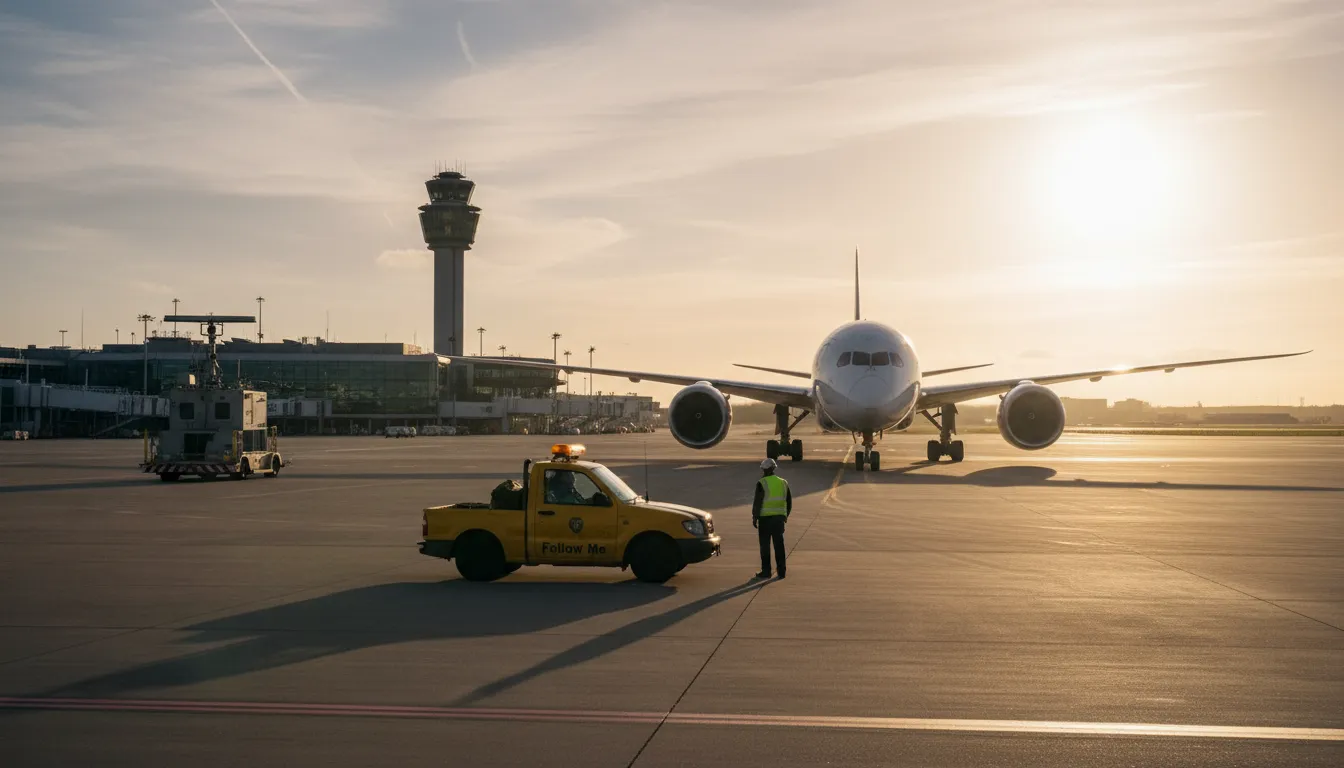
When two aircraft, or an aircraft and a ground vehicle, find themselves on the same runway at the same time, the result can be catastrophic. These events—called runway incursions—are among the most dangerous hazards in aviation. The International Civil Aviation Organization defines a runway incursion as "any occurrence at an aerodrome involving the incorrect presence of an aircraft, vehicle, or person on the protected area of a surface designated for the landing and take-off of aircraft."
Despite decades of safety improvements, roughly 1,600 runway incursions still occur at US airports every year. Most are minor, but a handful come terrifyingly close to disaster.
How Incursions Happen
The Federal Aviation Administration classifies runway incursions into three error types: pilot deviations, air traffic controller errors, and vehicle or pedestrian deviations. Pilots account for the largest share—about half of all incursions involve a pilot failing to hold short of a runway, missing an instruction, or departing without clearance.
Communication breakdowns are the single biggest trigger. Research shows that nearly 62% of runway incursions stem from communication errors between pilots and controllers, while another 27% involve pilot distraction, inattention, or confusion. Complex airport layouts with multiple intersecting runways and taxiways compound the problem, especially in low visibility when fog or rain limits what controllers and pilots can see.
The Tenerife Lesson
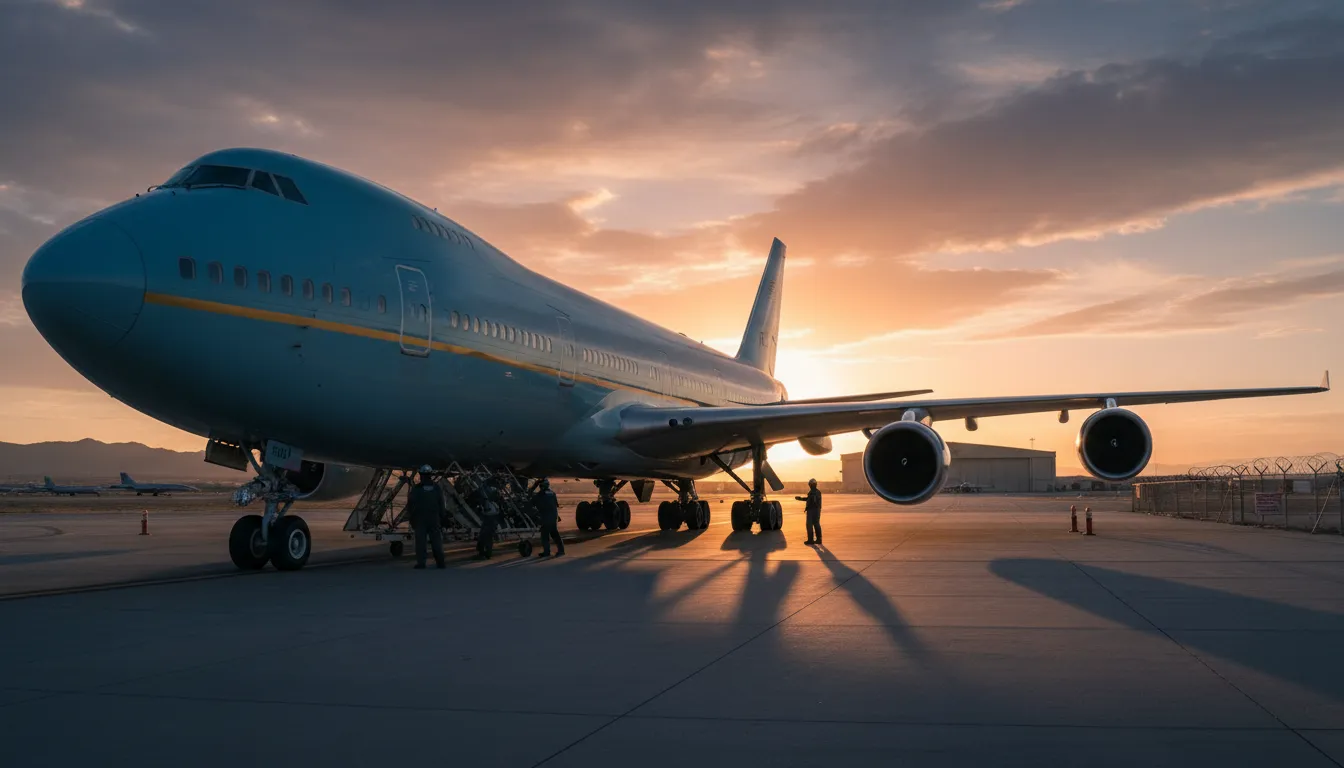
The deadliest runway incursion in history occurred on March 27, 1977, when two Boeing 747s collided on a fog-shrouded runway at Los Rodeos Airport in Tenerife, Spain. 583 people died—making it the worst accident in aviation history. A KLM jet began its takeoff roll while a Pan Am aircraft was still taxiing on the same runway. Dense fog, ambiguous radio phraseology, and operational stress all contributed.
The disaster triggered sweeping reforms. The word "takeoff" was banned from controller vocabulary except when issuing an actual takeoff clearance. Standard phraseology was tightened worldwide, and cockpit resource management training became mandatory.
Severity Categories
Not every incursion is equally dangerous. The FAA grades them on a four-level scale:
- Category A — a collision was narrowly avoided
- Category B — separation decreased with significant collision potential, requiring evasive action
- Category C — ample time and distance existed to avoid a collision
- Category D — incorrect runway presence but no immediate safety consequence
Most incursions fall into the less severe C and D categories. Still, Category A and B events rose steadily from 2017 through 2023, peaking at 21 high-risk incidents in fiscal year 2023. The trend reversed in 2024, when high-risk incursions dropped 73% to just seven—the lowest total since 2010.
Technology Fighting Back
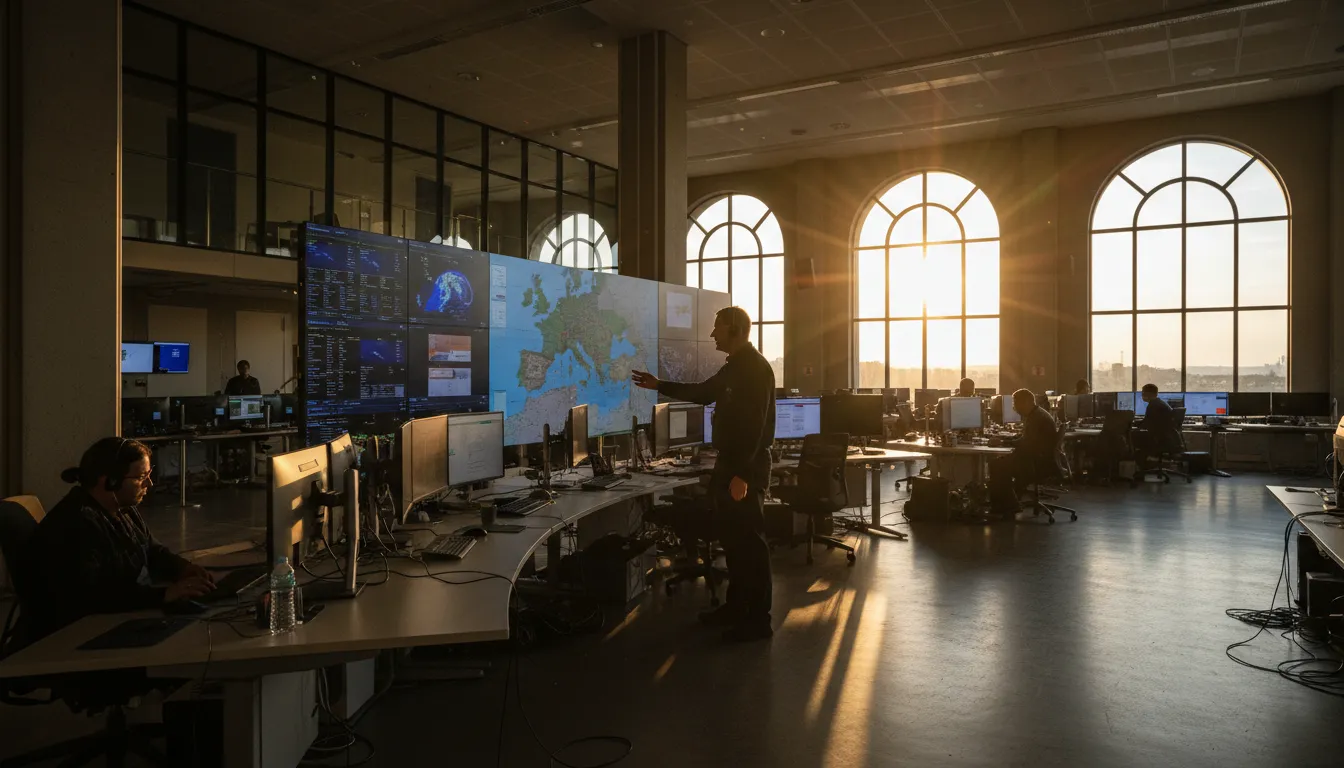
Airports rely on several layers of technology to catch incursions before they become collisions. ASDE-X (Airport Surface Detection Equipment, Model X) uses radar and transponder data to show controllers a real-time map of every aircraft and vehicle on the ground. Installed at 35 major US airports at a cost of roughly $550 million, ASDE-X provides visual and audio alerts when a potential conflict develops.
Runway Status Lights (RWSL) take protection a step further by putting automated red lights directly into the pavement. When sensors detect an aircraft on approach or a vehicle crossing a runway, the lights illuminate to warn pilots and drivers—no controller action required. Both systems have been shown to reduce the most serious incursions.
The FAA is now expanding coverage. The agency plans to install its Runway Incursion Device—a controller memory aid that flags occupied runways—at 74 airports by the end of 2026, up from just four currently equipped.
Why Vigilance Still Matters
Technology helps, but it cannot replace human awareness. ASDE-X alerts controllers—not pilots in the cockpit. Runway Status Lights work only where they are installed. At thousands of smaller airports without these systems, runway safety depends entirely on clear communication, proper procedures, and situational awareness.
Aviation experts stress that every pilot, controller, and ground-vehicle operator shares responsibility. Standardized radio phraseology, read-back of hold-short instructions, and heads-up scanning during taxi remain the first and most important lines of defense against a hazard that, despite all progress, has never fully gone away.