How Social Media Rewires the Teenage Brain
Social media exploits a window of extreme neurological vulnerability in adolescents, hijacking dopamine pathways and reshaping brain structures involved in attention, self-image, and impulse control.
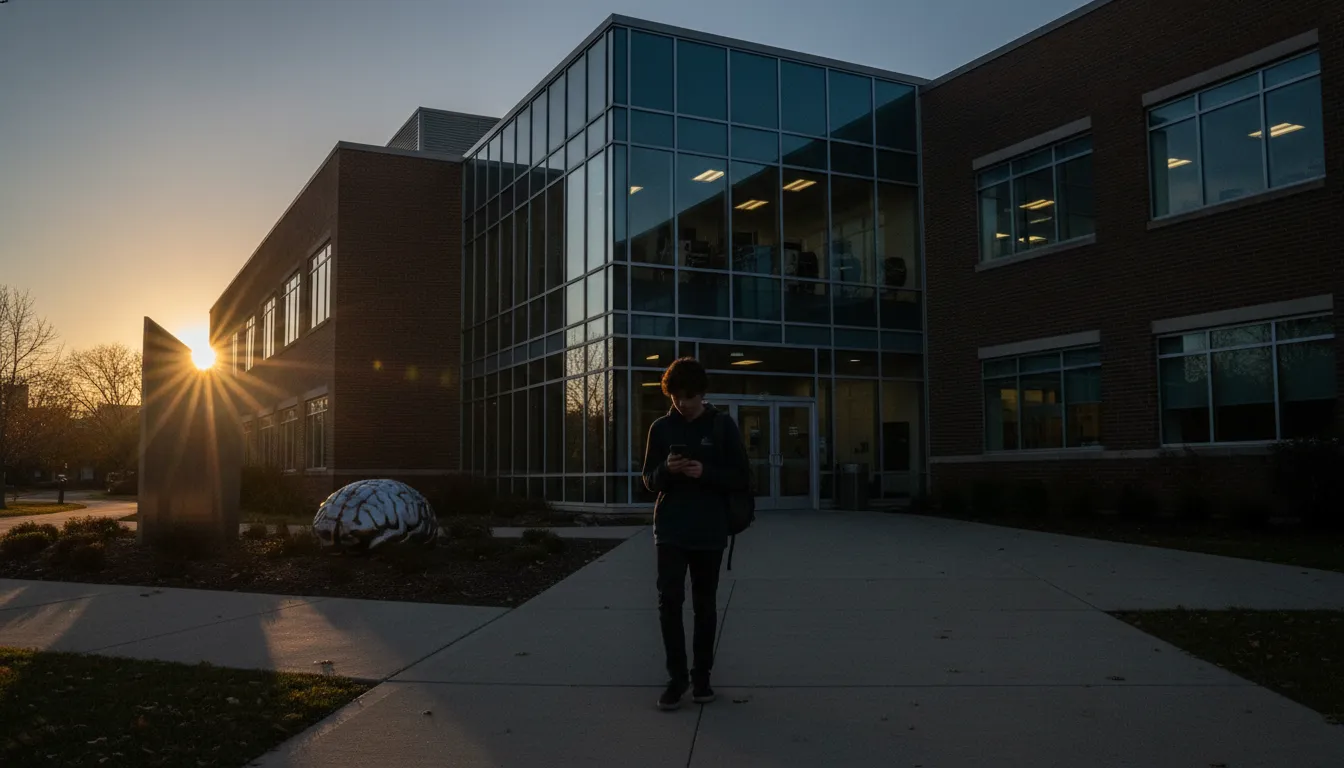
A Brain Under Construction
The human brain is not fully developed until the mid-twenties. During adolescence, two critical systems mature at very different speeds: the limbic system, which drives emotion and reward-seeking, comes online early, while the prefrontal cortex, responsible for impulse control, planning, and rational decision-making, lags years behind. This mismatch creates a window of vulnerability—and social media is uniquely designed to exploit it.
Between ages 10 and 12, receptors for dopamine and oxytocin multiply in the ventral striatum, making preteens extraordinarily sensitive to social rewards like attention and approval. Every like, comment, and follow triggers a small dopamine hit in the same neural circuitry activated by food, money, and addictive substances.
The Dopamine Loop
Social media platforms deliver rewards on a variable reinforcement schedule—the same pattern slot machines use. A teen posts a photo and does not know when or how many likes will appear. This unpredictability amplifies dopamine release far more than a predictable reward would, according to research published in the journal PMC on social media algorithms and teen addiction. The result is a self-reinforcing loop: post, check, feel rewarded, post again.
A landmark study published in JAMA Pediatrics tracked 178 sixth- and seventh-graders over three years. Adolescents who habitually checked social media showed increasing neural sensitivity to social cues over time, particularly in regions like the amygdala and the prefrontal cortex. Those who checked less frequently showed decreasing sensitivity—suggesting the brain physically adapts to the habit.
Structural Changes in the Brain
The effects go beyond reward pathways. Research drawing on the large-scale Adolescent Brain Cognitive Development (ABCD) Study has found that heavier social media use is associated with measurable differences in cortical thickness—the outer layer of the brain where higher-order thinking occurs.
Adolescents who used social media more than their peers showed higher baseline cortical thickness in the lateral prefrontal cortex but steeper declines over time, particularly in the dorsolateral prefrontal cortex, a region critical for cognitive control, strategic reasoning, and emotional regulation. Changes were also observed in the temporal parietal junction, which helps people understand others' perspectives.
These findings do not prove social media causes brain damage, but they indicate that heavy use during a critical developmental window is associated with altered neural architecture.
Why Adults Are Less Vulnerable
Adults are not immune to social media's pull, but two key differences reduce the risk. First, adults generally have a more stable sense of identity that relies less on peer validation. Second, their prefrontal cortex is mature enough to regulate emotional responses to social feedback, according to the American Psychological Association. Teens lack both shields.
The Scale of Exposure
The U.S. Surgeon General's 2023 advisory reported that up to 95% of teens aged 13–17 use at least one social media platform, with more than a third saying they use it "almost constantly." Research cited in the advisory found that adolescents spending more than three hours daily on social media face double the risk of depression and anxiety symptoms.
Nearly 40% of children aged 8–12 also use social media—well before the age of 13 that most platforms set as a minimum. The Surgeon General has called for warning labels on social media platforms, similar to those on cigarettes, underscoring the severity of the concern.
What the Science Suggests
Researchers caution that the field is still evolving. Large longitudinal studies are ongoing, and reviews of the neuroscience literature note mixed findings and significant gaps. Not every teen who uses social media develops problems, and moderate use may even support social connection.
Still, the convergence of dopamine research, brain-imaging studies, and epidemiological data paints a consistent picture: social media interacts with adolescent neurobiology in ways that can reshape attention, self-perception, and emotional regulation. Understanding these mechanisms is the first step toward designing platforms—and policies—that account for the developing brain.