How Strategic Petroleum Reserves Work—and Why
Strategic petroleum reserves are underground emergency oil stockpiles that governments maintain to shield their economies from supply disruptions. Here's how they work, where they're stored, and why they matter.
A Buffer Against Crisis
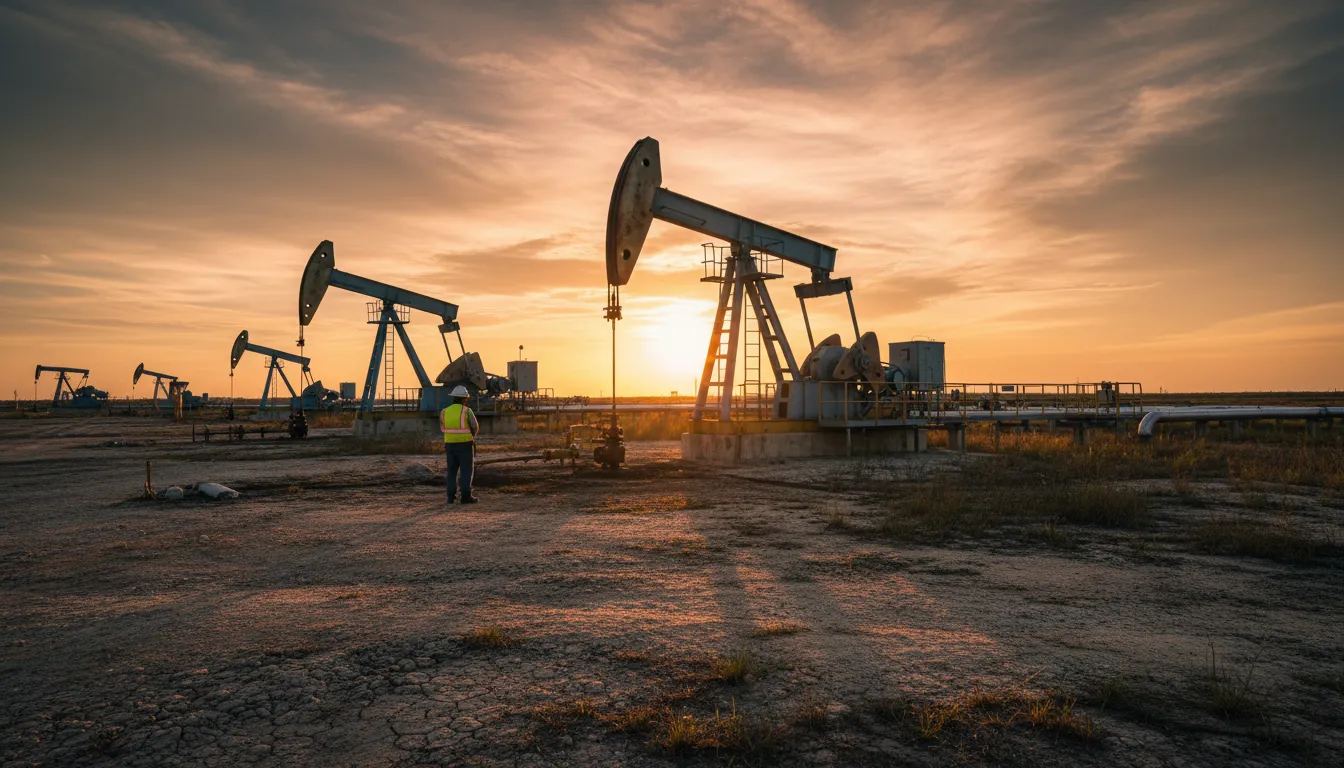
When oil supplies are suddenly cut off—by war, natural disaster, or geopolitical upheaval—governments need a way to keep fuel flowing to hospitals, military bases, power plants, and gas stations. That is the job of strategic petroleum reserves (SPRs): massive emergency stockpiles of crude oil held by national governments and released only when markets face serious disruption.
The concept dates to the 1970s, born from the shock of the 1973–74 Arab oil embargo, which exposed how vulnerable industrialized nations were to sudden supply cuts. In response, major oil-importing countries formed the International Energy Agency (IEA) in 1974 and committed to maintaining emergency reserves equivalent to at least 90 days of net oil imports.
Where the Oil Hides
The world's largest publicly known reserve belongs to the United States. The U.S. Strategic Petroleum Reserve, managed by the Department of Energy, stores crude oil in enormous underground salt caverns along the Gulf Coast in Louisiana and Texas. These caverns sit up to 1,000 meters below the surface, with individual chambers as wide as 60 meters and as tall as 600 meters.
Salt caverns are created through solution mining: engineers pump fresh water into natural salt domes, dissolving the salt and creating vast, sealed voids. The method is roughly ten times cheaper than above-ground tank storage, according to the U.S. Department of Energy. The caverns are naturally leak-proof, and a temperature gradient inside keeps the stored crude gently circulating, preventing it from degrading over time.
At full capacity, the U.S. SPR can hold 714 million barrels. Other major holders include Japan (roughly 470 million barrels, covering about 254 days of consumption), China (which has rapidly expanded reserves since the 2000s), and all 27 EU member states, each of which is required to hold at least 90 days' worth of domestic consumption.
How a Release Works
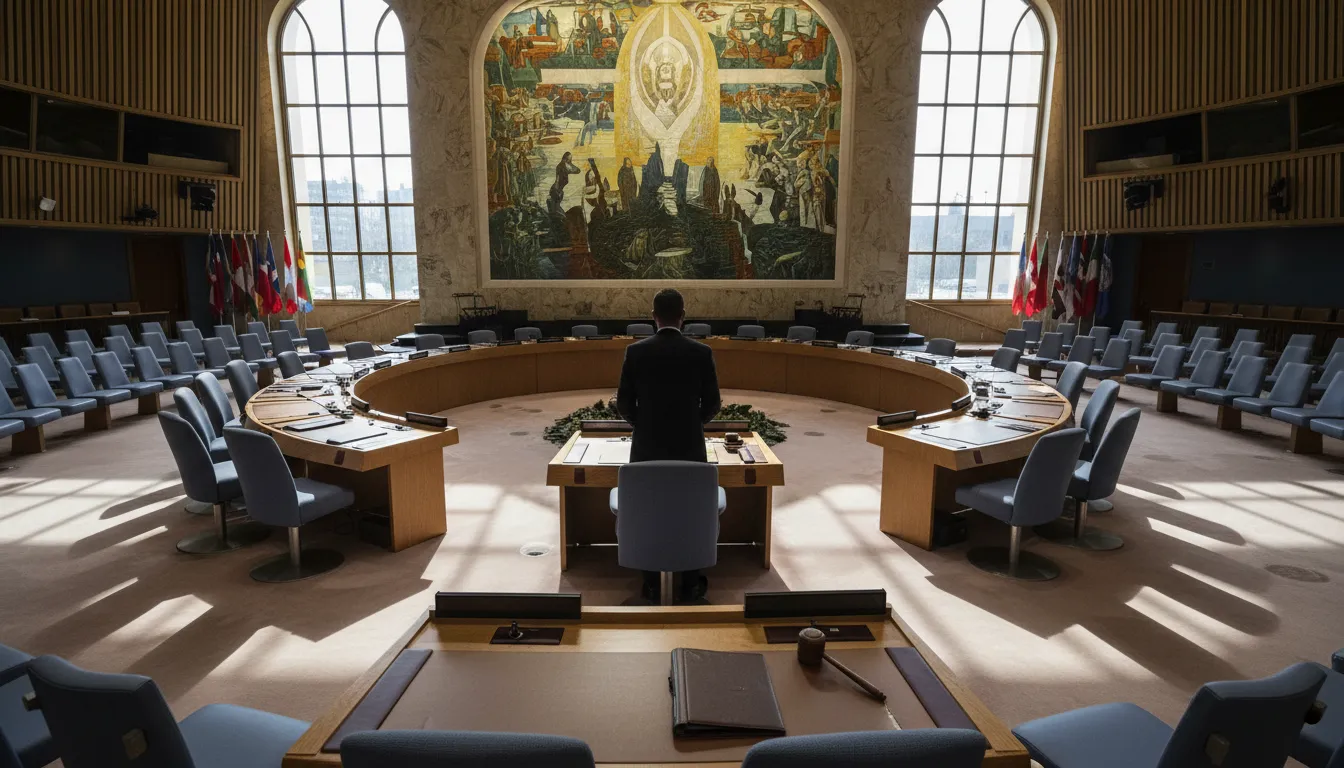
In the United States, only the president can authorize an emergency drawdown. Once the order is given, the Department of Energy sells crude to the highest bidders—typically major refineries and trading companies. Oil can begin flowing to U.S. refineries within about 13 days, pumped out at a maximum rate of 4.4 million barrels per day for up to 90 days before declining as caverns empty.
Internationally, the IEA can coordinate a collective action among its 32 member countries. This has happened only a handful of times: during the 1991 Gulf War, after Hurricane Katrina in 2005, during Libya's 2011 civil war, and in 2022 when the Biden administration released a record 180 million barrels over six months in response to post-pandemic price spikes and the war in Ukraine.
Do They Actually Work?
Research suggests SPR releases moderate price spikes rather than eliminate them. A rapid, well-targeted release can calm panicked markets and buy time for diplomacy or alternative supply arrangements. However, when the underlying disruption is structural—such as a prolonged blockade of shipping lanes—reserves alone cannot solve the problem. They are, by design, a stopgap.
Critics also point out that reserves have sometimes been tapped for political rather than emergency reasons, eroding the buffer available for genuine crises. After the record 2022 drawdown, the U.S. SPR fell to its lowest level in roughly 40 years, prompting debate about how quickly and at what cost it should be refilled.
Why Every Barrel Counts
For countries that import most of their energy, SPRs are a matter of national security. Nations without adequate reserves—or those that depend on a single import route—can find themselves facing fuel rationing, transport shutdowns, and economic turmoil within weeks of a supply disruption. The IEA's 90-day threshold exists precisely because history shows that oil crises can escalate faster than new supply can be arranged.
As of early 2026, IEA member states collectively held approximately 1.8 billion barrels in strategic reserves. Whether that proves enough depends on how long any given crisis lasts—and whether governments had the discipline to keep their reserves full before trouble arrived.