IEA Releases Record 400M Barrels to Offset Hormuz Shutdown
The International Energy Agency has authorized the largest emergency oil reserve release in its 50-year history — 400 million barrels from 32 member nations — as the Iran war chokes off Strait of Hormuz shipping. Despite the historic scale, analysts warn it may only partly offset the disruption.
A Historic Intervention
The International Energy Agency (IEA) announced on March 11 that its 32 member countries have unanimously agreed to release 400 million barrels of oil from emergency strategic reserves — the largest coordinated stock release in the agency's five-decade history. The action, the sixth of its kind since the IEA was founded in 1974, more than doubles the previous record of 182 million barrels mobilized in 2022 following Russia's invasion of Ukraine.
IEA Executive Director Fatih Birol described the situation in stark terms: "The oil market challenges we are facing are unprecedented in scale," adding that member nations were "showing strong solidarity in taking decisive action together."
What Triggered the Release
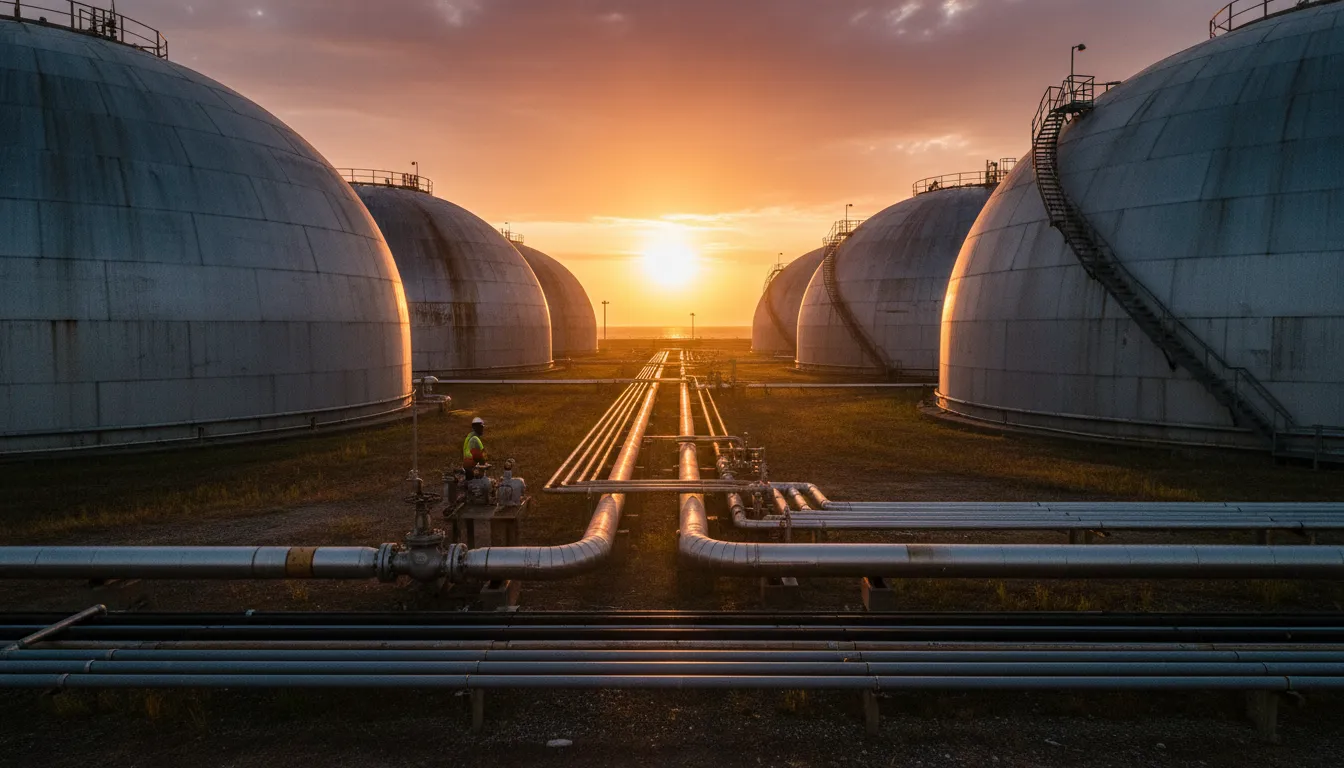
The trigger is the ongoing conflict that erupted on February 28, 2026, which has effectively shut the Strait of Hormuz — the narrow waterway through which roughly one-fifth of global oil and gas flows. Export volumes through the strait have collapsed to less than 10% of pre-conflict levels, according to the IEA's own data. Under normal conditions, approximately 20 million barrels of crude and petroleum products transit the waterway every day, representing about 25% of global seaborne oil trade.
Iran has reportedly deployed naval mines in the strait, with analysts estimating Tehran holds around 6,000 such weapons. At least 13 vessel strikes have been recorded since hostilities began. Iranian officials have warned that oil could hit $200 per barrel if the conflict deepens.
Who Is Contributing — and How Much
The United States is by far the largest contributor, pledging 172 million barrels from its Strategic Petroleum Reserve, with deliveries expected to begin within days and run for approximately 120 days. Other confirmed contributions include:
- South Korea: 22.46 million barrels
- Japan: releasing 15 days from private stockpiles and 30 days from government reserves, starting immediately
- United Kingdom: 13.5 million barrels
- Germany and Austria: unspecified portions
IEA members collectively hold over 1.2 billion barrels in public emergency stockpiles, with an additional 600 million barrels in industry stocks held under government obligation, suggesting further releases remain possible if the crisis deepens.
Will It Be Enough?
Markets delivered a skeptical verdict. Brent crude had surged more than 25% since February 28, briefly exceeding $119 per barrel — the first time above $100 since 2022. Even after the IEA announcement, prices remained elevated above $90, as traders priced in structural risk rather than a quick resolution.
The arithmetic is daunting. The 400 million barrels, spread over roughly 120 days, amounts to approximately 3.3 million barrels per day of additional supply — significant, but well short of the 15–18 million barrels per day normally flowing through Hormuz. Analysts at several institutions noted the release covers roughly 16–20 days of total Hormuz transit volume under normal conditions.
Fortune and other outlets noted that the reserve release can buffer short-term price spikes, but cannot substitute for physical shipping lanes. Restoring stable oil flows ultimately depends on whether naval traffic through Hormuz can resume — a diplomatic and military question the IEA has no power to answer.
Broader Economic Implications
The scale and speed of the IEA response signals that Western governments are planning for a prolonged conflict, not a swift resolution. Energy ministers from G7 nations held emergency consultations before the announcement, reflecting fears that sustained triple-digit oil prices could accelerate inflation and tip fragile economies into recession. The coordinated release is as much a geopolitical signal of resolve as it is an economic tool — but with the Hormuz chokepoint still blocked, markets remain on edge.