WHO: Iran 'Black Rain' Threatens Health After Oil Strikes
The World Health Organization has warned of toxic 'black rain' falling across Iran after US-Israeli strikes set oil depots ablaze, releasing hydrocarbons, sulphur oxides and carcinogenic particles that now contaminate water supplies and pose severe respiratory risks to millions.
A New Kind of Fallout
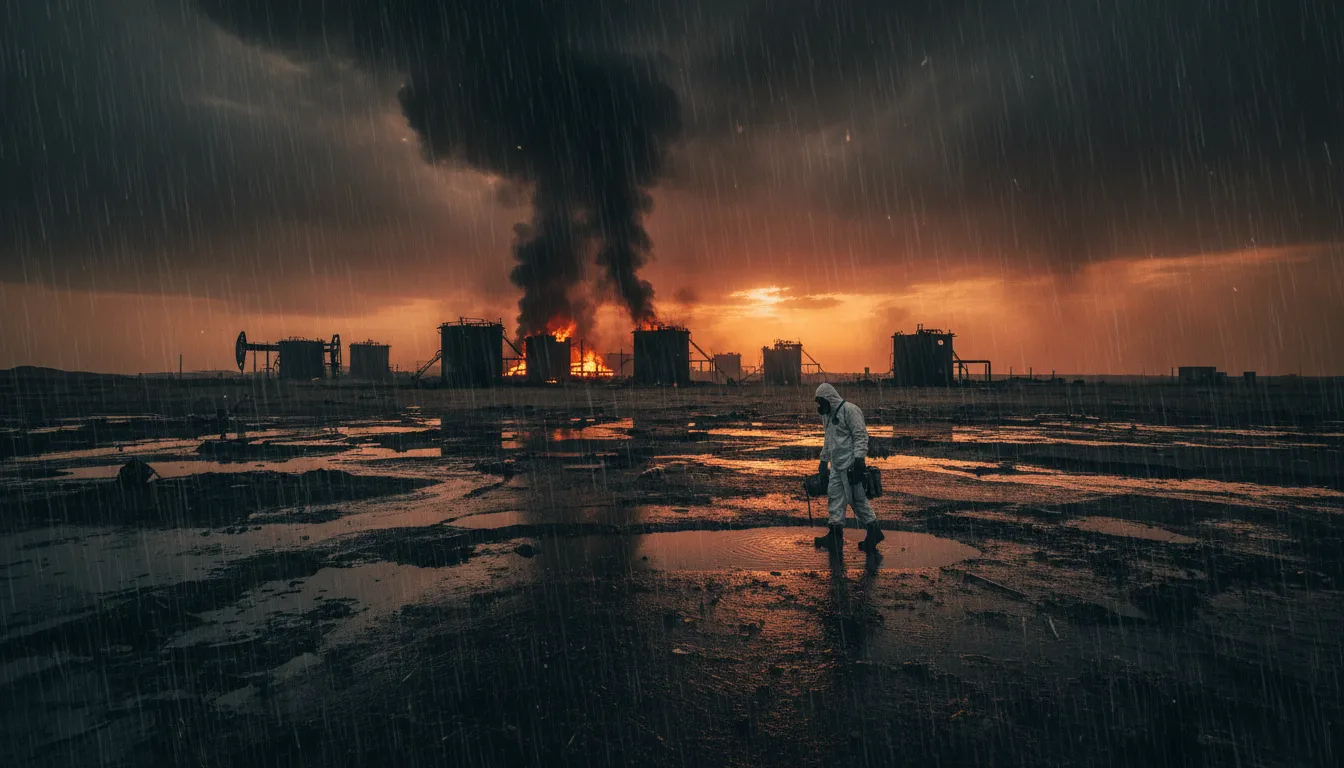
Twelve days into the US-Israeli military campaign against Iran, the conflict has produced a slow-moving environmental catastrophe. Thick columns of black smoke rising from burning oil depots across Tehran and surrounding cities have mixed with rain clouds, creating what scientists are calling "black rain" — contaminated precipitation laden with toxic chemicals that is now falling on one of the world's most densely populated metropolitan areas.
The World Health Organization issued a formal health warning, with spokesperson Christian Lindmeier telling a Geneva press briefing that "the black rain and the acidic rain coming with it is indeed a danger for the population, respiratory mainly." The agency is monitoring what it describes as a "massive release" of toxic hydrocarbons, sulphur oxides, and nitrogen compounds into the atmosphere.
The Science of Toxic Rainfall
When Israeli strikes hit the Aghdasieh oil warehouse in northeast Tehran, the Shahran depot north of the city, and a refinery in the south, fires burned for hours. According to atmospheric chemist Gabriel da Silva, speaking with PBS NewsHour, rain is one of the primary mechanisms by which air pollutants are removed from the atmosphere — but in doing so, the water collects those contaminants and deposits them back onto the surface.
The resulting precipitation carries ultrafine PM2.5 particles, polycyclic aromatic hydrocarbons (known carcinogens), sulfur dioxide, and nitrogen dioxide — which transform into sulfuric and nitric acids in the atmosphere. The rain is technically acid rain as well as black rain. Residents of Tehran, a city of nearly 10 million people, reported difficulty breathing, dizziness, and burning sensations. Oil-tainted water stained streets, cars, and buildings.
Short-term effects include headaches and respiratory distress, with children, the elderly, and people with pre-existing conditions at greatest risk. Long-term, PM2.5 particles that enter the bloodstream are associated with elevated cancer risk, neurological damage, and cardiovascular disease. Contaminated runoff threatens drinking water supplies and agricultural land across a region already under severe stress.
Hormuz Under Fire
The environmental crisis is compounding an already deteriorating humanitarian and logistical situation. On Wednesday, three cargo vessels were struck by projectiles in the Strait of Hormuz — the Japanese-flagged One Majesty, the Thai bulk carrier Mayuree Naree, and the Marshall Islands-flagged Star Gwyneth. The US military separately reported destroying 16 Iranian mine-laying vessels near the strategic waterway, through which roughly 20 percent of the world's traded oil normally passes.
The attacks on commercial shipping are deepening the regional supply crisis and raising insurance costs for vessels transiting the Gulf, with knock-on effects for global energy markets.
Mounting Civilian Toll
Iranian state media reported that as of day 12, more than 1,300 civilians have been killed and nearly 10,000 civilian sites have been struck since the conflict began on February 28. According to Al Jazeera's reporting, at least 65 schools and 32 medical facilities have been targeted. The White House confirmed an investigation is underway into an airstrike on a school that reportedly killed around 175 students.
The WHO expressed specific concern about children and pregnant women. Prenatal exposure to the black smoke's compounds has been linked in prior incidents — most notably fires in Kuwait during the 1991 Gulf War — to lower birth weights and developmental complications.
Pressure to Halt Energy Strikes
Amid growing international alarm, the United States has reportedly asked Israel to pause strikes on Iranian energy infrastructure, according to Axios. Qatar's foreign minister urged both sides to de-escalate, warning that Iran's retaliatory strikes on Gulf neighbors benefit "no one." Saudi Arabia, the UAE, and Oman have all reported intercepting Iranian drones and missiles in recent days.
President Trump suggested the war could end soon, claiming there was "nothing left" to target — a statement widely disputed by analysts. For the millions living downwind of burning oil fields, the damage to air, water, and soil may endure long after any ceasefire.