Israel Hits Tehran Again; G7 Readies Emergency Oil Reserves
Israel launched a second wave of airstrikes on Tehran on Tuesday night, targeting areas near Mehrabad International Airport, as G7 finance ministers signaled readiness to release strategic oil reserves through the IEA amid Brent crude prices surging past $119 a barrel.
New Wave of Strikes Rocks the Iranian Capital
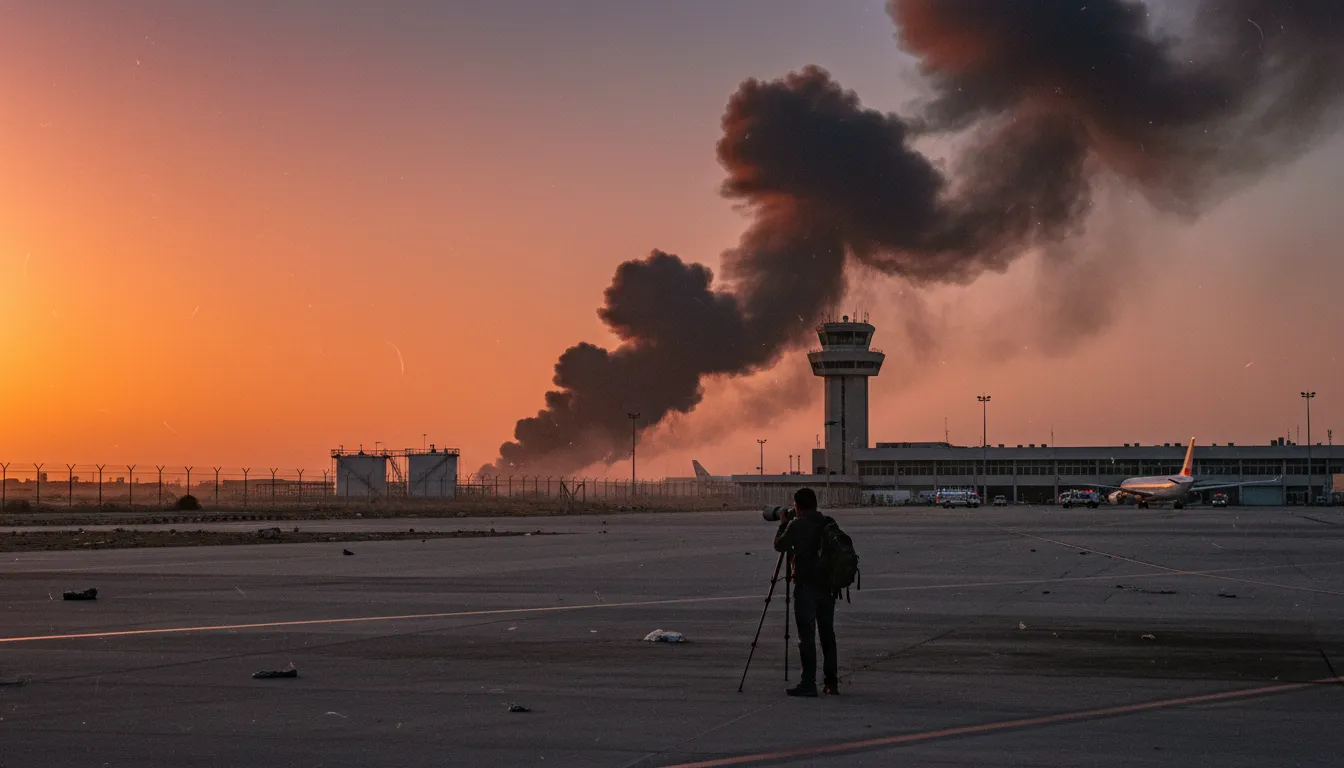
Israel launched a fresh wave of airstrikes on Tehran late Tuesday (local time), marking day 11 of the conflict that erupted on February 28. Explosions were geolocated in the vicinity of Mehrabad International Airport, a facility the Israeli Defense Forces (IDF) had previously struck to destroy at least 16 aircraft belonging to the Islamic Revolutionary Guard Corps' Quds Force — planes used to ferry weapons to Iran-backed militias across the region.
The overnight bombardment was described by witnesses as among the most intense of the war so far. Residential neighborhoods in eastern Tehran were also hit, with Iranian authorities reporting at least 40 killed in a single strike on an apartment block. Iran's total death toll since the conflict began now exceeds 1,255, with roughly 10,000 injured, according to Tehran's UN ambassador.
Iran struck back. The Iranian military launched drone attacks targeting Israeli oil and gas facilities near Haifa, while Foreign Minister Abbas Araghchi flatly rejected President Trump's assertion that the conflict would end "soon," vowing to continue fighting "as long as necessary."
G7 and the IEA Move to Stabilize Energy Markets
The military escalation sent shockwaves through global energy markets. Brent crude traded at approximately $119 a barrel — more than 25% above its pre-war level — as the Strait of Hormuz, through which roughly one-fifth of the world's oil passes, remained effectively closed to normal shipping traffic.
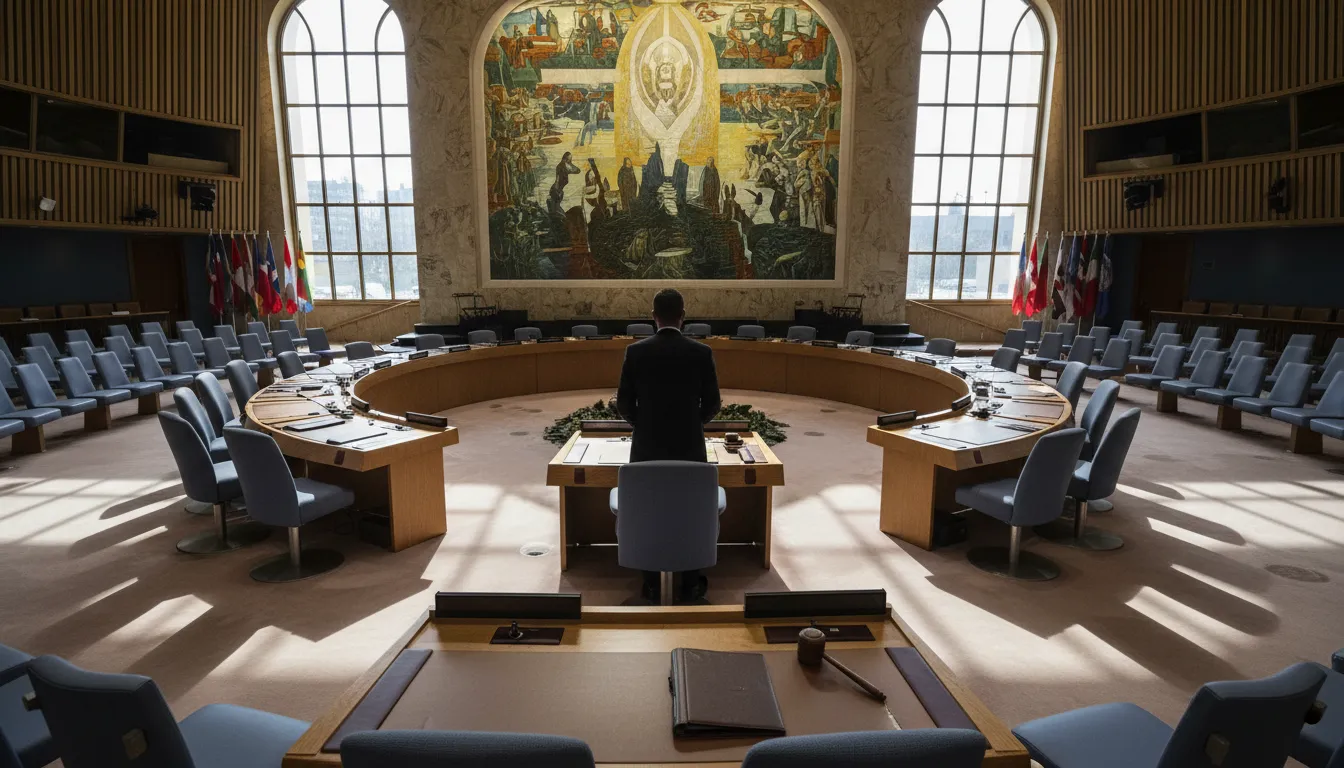
G7 finance ministers responded by declaring they "stand ready to take necessary measures, including to support global supply of energy such as stockpile release." The International Energy Agency (IEA) convened an emergency meeting of its 32 member states, which collectively hold more than 1.2 billion barrels in strategic reserves. Washington is reportedly pushing for a coordinated release of 300 to 400 million barrels — representing up to 30% of total IEA stocks — to cap prices and signal resolve.
G7 energy ministers stopped short of a formal decision, asking the IEA to complete its technical assessment first. Analysts at the Japan Times noted the move carries significant symbolic weight regardless: a coordinated release of that scale would be the largest in IEA history.
Airlines and Trade Routes Under Pressure
Qatar Airways resumed service from Doha but with only 29 heavily restricted flights, a fraction of its normal schedule, as Gulf airspace closures and rerouting requirements added hours to long-haul routes. The disruption is rippling through trade and logistics well beyond the immediate conflict zone.
A Central Bank Dilemma
Economists are increasingly alarmed about the macro-economic fallout. The IMF estimates that every sustained 10% rise in oil prices adds roughly 0.4 percentage points to global inflation and shaves 0.15 points off economic growth. With Brent having risen more than 70% above pre-conflict baselines in a worst-case intraday reading, the pressure on household budgets and supply chains is mounting fast.
"The ongoing Iran conflict solidifies the case for many central banks to hold rates steady for now," economists at Nomura wrote in a note, warning that policymakers face a classic stagflationary trap: raising rates risks choking a fragile recovery, but cutting them risks entrenching an energy-driven inflation surge.
Diplomatic Signals Amid the Rubble
Amid the carnage, faint diplomatic signals are emerging. Iran's Deputy Foreign Minister confirmed that China, Russia, and France have contacted Tehran to explore ceasefire possibilities. Gulf states — Kuwait, the UAE, Saudi Arabia, and Bahrain — are intercepting Iranian missiles and drones aimed at their territory, adding to pressure on regional governments to push for de-escalation.
For now, however, the bombs keep falling — and every barrel of Brent crude ticking upward is a reminder that the economic cost of this war is being distributed far beyond the Middle East.