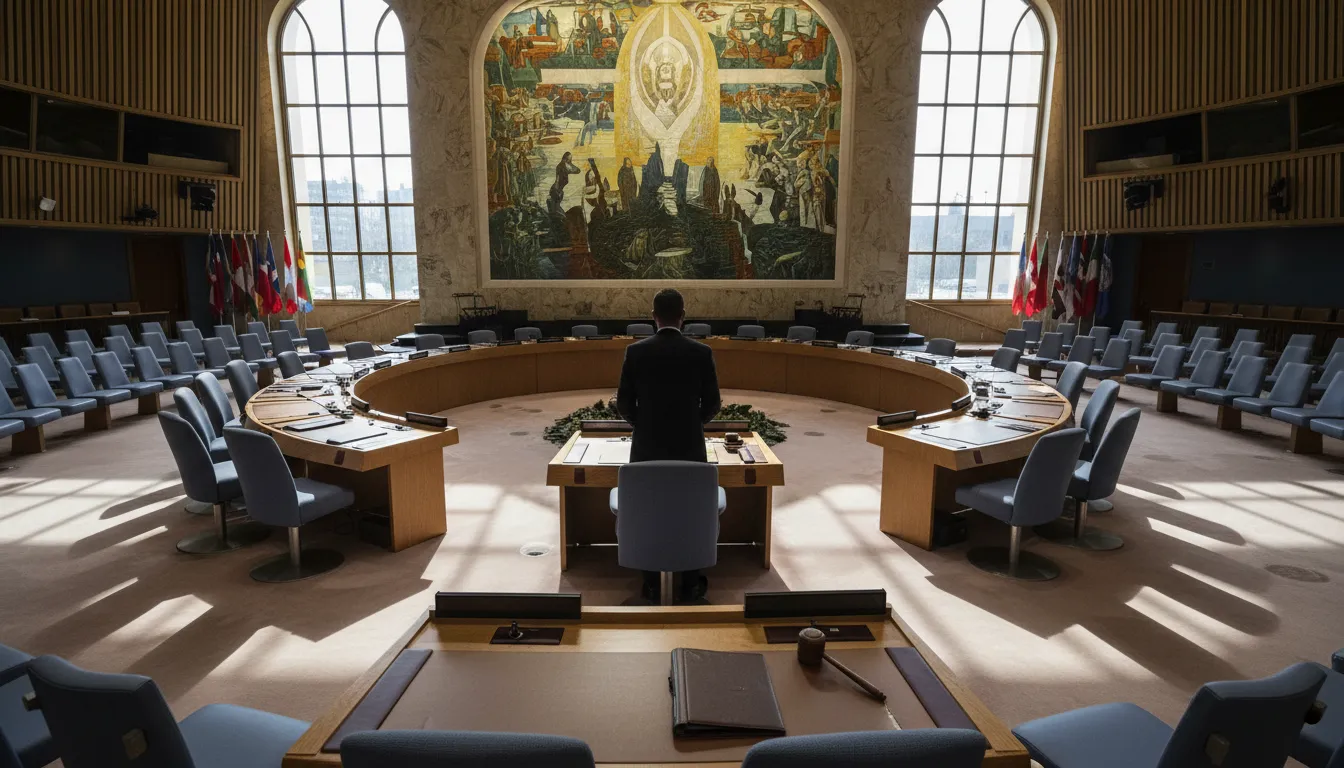
Mojtaba Khamenei Named Iran's Supreme Leader Amid War
Iran's Assembly of Experts elected Mojtaba Khamenei as the country's new Supreme Leader on March 8, 2026, following his father Ali Khamenei's assassination in U.S.-Israeli strikes. Israel vowed to target him, Trump demanded unconditional surrender, and Iran's attacks on Gulf states have effectively shut the Strait of Hormuz.
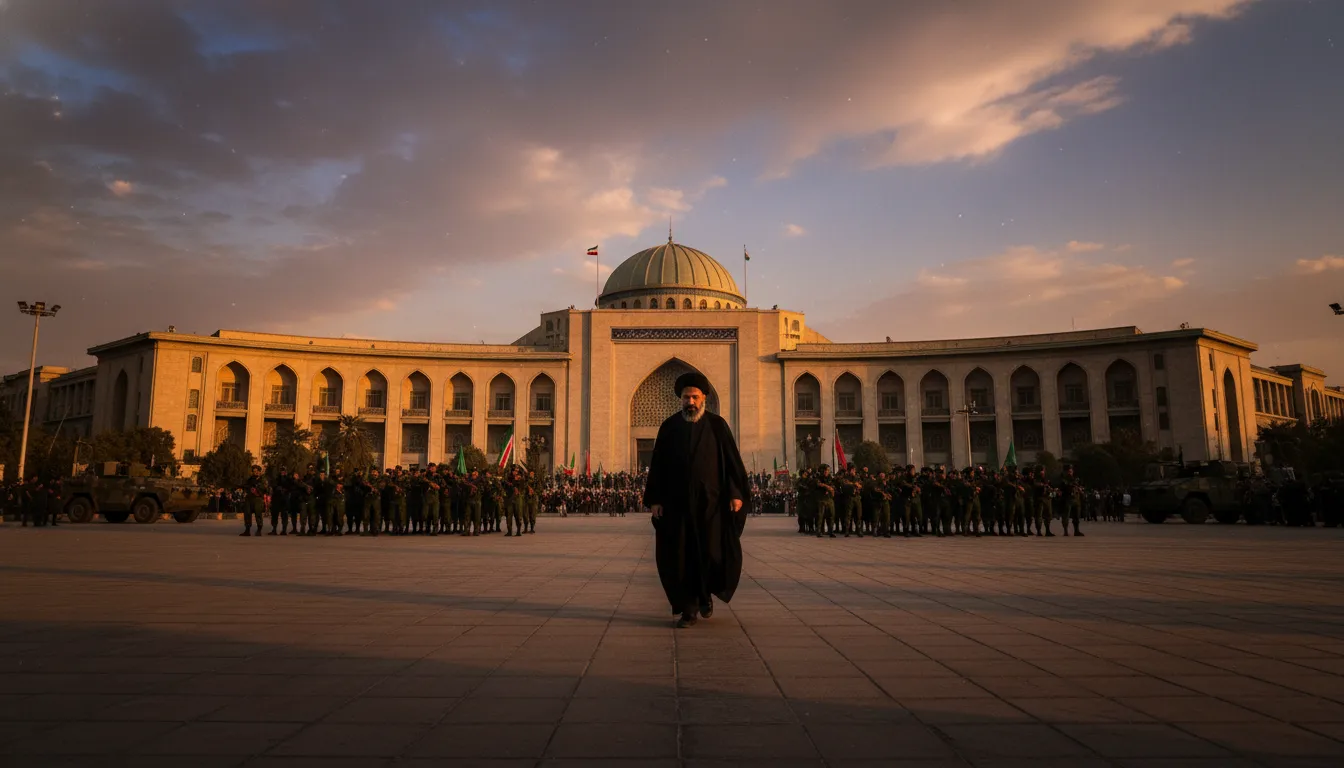
A Dynasty of Power in the Midst of War
Iran's Assembly of Experts on Sunday elected Mojtaba Khamenei, 56-year-old son of the slain Supreme Leader Ali Khamenei, as the Islamic Republic's third Supreme Leader — a move that entrenches hardline clerical rule even as the country wages an active war against Israel and the United States. Iranian state media reported the vote was decisive, driven in large part by pressure from the Islamic Revolutionary Guard Corps (IRGC), which publicly pledged "complete obedience" to the new leader within hours of the announcement.
The appointment comes just eight days after Ali Khamenei was killed on February 28 in coordinated U.S.-Israeli airstrikes — the most dramatic escalation of the 2026 Iran war. The Assembly, convening in an emergency online session, bypassed the usual lengthy deliberation to consolidate power before rivals could coalesce.
Israel Vows to Strike Again
Israel's reaction was unambiguous and immediate. The Israel Defense Forces posted a statement in Persian warning that Israel's "hand would continue to pursue every successor," and Defense Minister Israel Katz declared that Mojtaba Khamenei was now "an unequivocal target for elimination." Israel, which had already threatened to kill potential successors before the vote, carried out fresh strikes on Tehran on Monday, according to Al Jazeera's live coverage.
Israel's position reflects a stated war aim of regime change, not merely deterrence. Officials have said they are working with Washington "to crush the regime's capabilities and create conditions for the Iranian people to overthrow and replace it."
Trump: No Talks, Only Surrender
U.S. President Donald Trump has flatly rejected any diplomatic path that involves negotiating with the new Iranian leadership. Speaking on March 6, Trump declared:
"No deal with Iran except UNCONDITIONAL SURRENDER!"When pressed on what that means, Trump told Axios it is when Iran "can't fight any longer because they don't have anyone or anything to fight with." A senior administration official confirmed: "We're not using anyone as an interlocutor. This is a military action, and it's got to run its course."
Iranian intelligence had signaled openness to talks, but Washington dismissed those overtures outright, signaling that the conflict has no near-term off-ramp.
Gulf States Under Fire, Hormuz Effectively Closed
Iran's retaliatory campaign has expanded well beyond Israel. Since the initial strikes on February 28, Iran has launched hundreds of drones and ballistic missiles at U.S. military bases and civilian infrastructure across the UAE, Kuwait, Qatar, Bahrain, Iraq, and Saudi Arabia. Kuwait reported border guard fatalities and damage near its international airport; the UAE recorded multiple casualties from Iranian rocket strikes.
Most consequentially, the IRGC formally declared the Strait of Hormuz closed to Western-aligned shipping. An IRGC adviser stated: "Not a single drop of oil will leave the Persian Gulf." Tanker traffic through the strait — through which roughly 20% of the world's daily oil supply passes — has collapsed to near zero, with over 150 vessels anchored offshore. Oil prices have surged to record highs, and energy analysts warn of severe disruptions to global supply chains if the blockade holds.
What Comes Next
Mojtaba Khamenei inherits an Iran at war on multiple fronts, under unprecedented military pressure, with its economy in freefall and its patron networks across the region in disarray. Whether he can consolidate enough authority to either fight on or negotiate from strength remains the central question of the coming weeks — one that markets, governments, and millions of civilians across the Middle East are watching with acute anxiety.