Munich Security Conference 2026: Macron and Merz Open Historic Talks on European Nuclear Deterrent
At the 2026 Munich Security Conference, German Chancellor Friedrich Merz revealed he is in talks with French President Macron about joining France's nuclear deterrence program. Macron called for Europe to become an independent geopolitical power capa
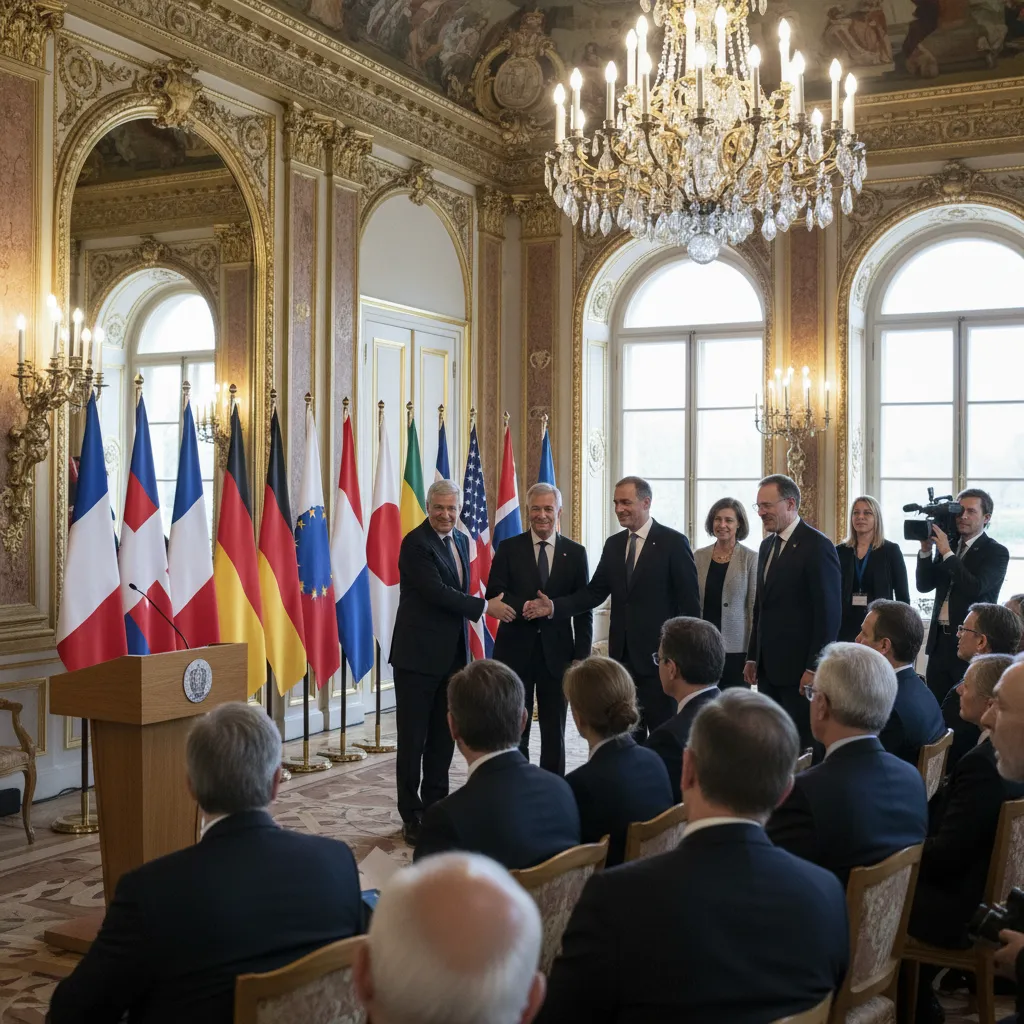
The 2026 Munich Security Conference delivered a watershed moment in European defense policy as German Chancellor Friedrich Merz revealed he has held talks with French President Emmanuel Macron about joining France's nuclear deterrence program. This development signals the most significant shift in European security thinking since the end of the Cold War.
Merz Confirms Nuclear Talks
In a striking departure from decades of German defense policy, Chancellor Merz disclosed that he and President Macron have been discussing the possibility of Germany participating in France's nuclear deterrence framework. Germany never developed its own nuclear weapons program after World War II, making this revelation particularly significant.
Merz warned the conference that the world order as it has stood for decades "no longer exists" and cautioned the United States that it will not be powerful enough to "go it alone" in the new era of great power politics.
Macron's Vision for a Geopolitical Europe
President Macron told the conference that Europe must become a geopolitical power that can provide its own security. France, which has an estimated 290 nuclear warheads, could serve as the foundation for a broader European deterrent capability.
Macron stated he would speak more about the European nuclear programme concept "in the next few weeks" and urged Europe to "act proudly" and not allow itself to be vilified on the international stage. He engaged in strategic dialogue with Merz and other European leaders on how to articulate their national doctrines for nuclear deterrence.
Transatlantic Tensions as Catalyst
The nuclear deterrent discussion is driven by growing concerns about the reliability of American security guarantees. US Secretary of State Marco Rubio, who also spoke at the conference, agreed with European leaders that the old world order "no longer exists," further underscoring the need for European strategic autonomy.
British Prime Minister Keir Starmer also hinted at opening talks for a common European nuclear deterrence, adding momentum to the broader European security integration effort.
Implications for NATO and Global Security
A European nuclear deterrent would fundamentally reshape the NATO alliance and transatlantic defense cooperation. While NATO's nuclear sharing arrangements have long included American weapons stationed in Europe, a genuinely European nuclear capability would represent an entirely different paradigm.
The discussion also has implications for arms control, non-proliferation treaties, and the broader global security architecture. How such a program would interact with existing international frameworks remains an open question.
Looking Ahead
The Munich Security Conference made clear that 2026 is a pivotal year for European defense policy. With Macron promising more details in the coming weeks and Merz signaling German openness to nuclear cooperation, the contours of a new European security architecture are beginning to emerge.