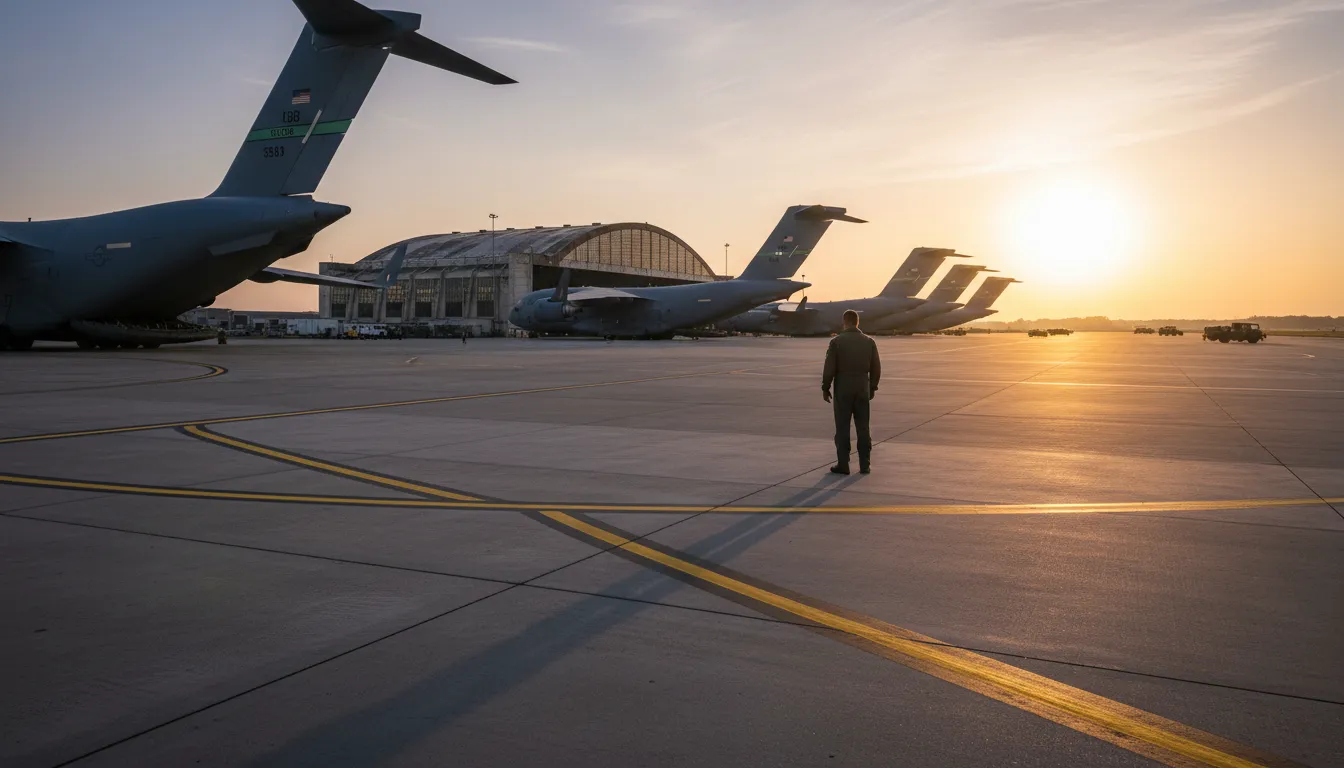
Operation Hawkeye Strike: US Military Intensifies Campaign Against ISIS in Syria
US Central Command has conducted over 10 strikes against more than 30 ISIS targets in Syria as part of Operation Hawkeye Strike. More than 50 ISIS fighters have been killed or captured and over 100 infrastructure targets destroyed since the operation
The United States military continues to intensify its campaign against Islamic State remnants in Syria through Operation Hawkeye Strike, a sustained retaliatory operation that has dealt significant blows to the terrorist organization's infrastructure and leadership over the past two months.
Recent Operations
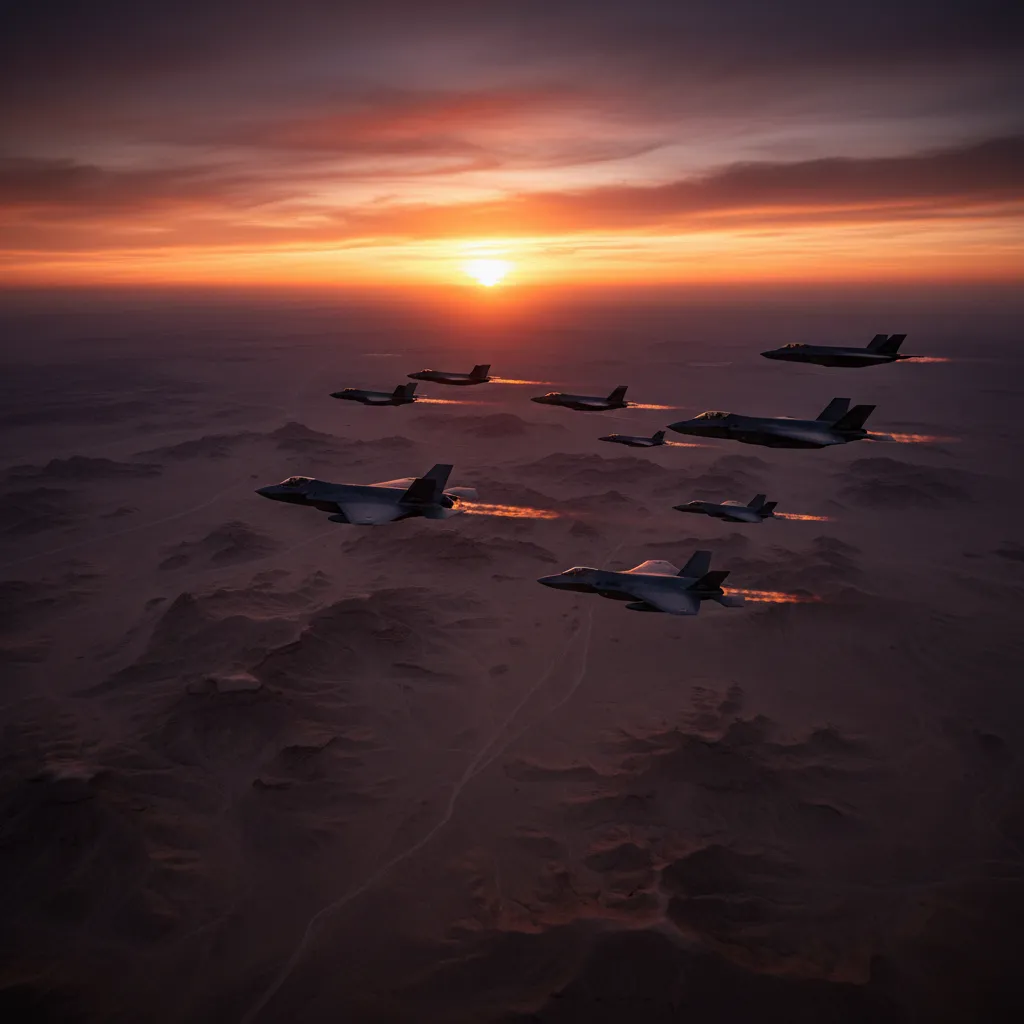
US Central Command (CENTCOM) forces conducted 10 strikes against more than 30 ISIS targets in Syria between February 3 and 12, 2026. The strikes were executed with precision munitions delivered by fixed-wing aircraft, rotary-wing aircraft, and unmanned aerial vehicles, specifically targeting ISIS infrastructure and weapon storage facilities.
CENTCOM stated the strikes are designed to "sustain relentless military pressure" on the remnants of the terrorist network, preventing any possibility of regrouping or resurgence.
Operation Origins
Operation Hawkeye Strike was launched in response to the December 2025 Palmyra attack, in which an ISIS ambush killed two US soldiers and one American civilian interpreter. The operation was named to reflect the involvement of Iowa-based military units and the high level of precision required to identify targets across Syria's vast landscape.
Campaign Results
Since the operation began, more than 50 ISIS terrorists have been killed or captured, and over 100 ISIS infrastructure targets have been struck with hundreds of precision munitions during two months of targeted operations. The campaign has significantly degraded ISIS's operational capability in central and eastern Syria.
Strategic Context
The operation takes place in a complex geopolitical environment. Syria remains fragmented among various factions, and the US military presence serves multiple purposes including counter-terrorism, protecting allied forces, and maintaining regional stability.
ISIS, while significantly weakened compared to its peak in 2014-2015 when it controlled large swaths of Iraq and Syria, continues to maintain a decentralized insurgency capability. The group exploits ungoverned spaces and security gaps to conduct attacks and recruit fighters.
Implications for Regional Security
The sustained pace of operations signals US commitment to preventing an ISIS resurgence despite broader debates about American military presence in the Middle East. The operation also demonstrates the continued relevance of counter-terrorism capabilities even as great power competition dominates US strategic thinking.
Allied partners, including Kurdish-led Syrian Democratic Forces, continue to play a crucial role in ground operations against ISIS remnants, complementing US air power and intelligence capabilities.
Sources: CENTCOM, US Air Force, Al Jazeera