Trump Gives Iran 48 Hours to Open Hormuz or Face Strikes
President Trump has issued a dramatic 48-hour ultimatum threatening to destroy Iranian power plants if Tehran does not fully reopen the Strait of Hormuz, prompting Iran to threaten complete closure and regional retaliation as oil prices surge past $114 per barrel.
A High-Stakes Ultimatum
President Donald Trump escalated the US-Iran confrontation on Saturday, March 22, issuing a 48-hour ultimatum demanding that Tehran fully reopen the Strait of Hormuz or face systematic destruction of its power plants. "The United States of America will hit and obliterate their various POWER PLANTS, STARTING WITH THE BIGGEST ONE FIRST!" Trump wrote on Truth Social, without specifying which facility he meant.
The threat came on the 23rd day of the US-Israeli military campaign against Iran, which began on February 28. It arrived barely 24 hours after Trump had suggested "winding down" military operations — a stark contradiction that analysts quickly noted.
Iran's Defiant Response
Tehran responded with its own escalatory threats. Iranian parliament speaker Mohammad Bagher Qalibaf warned that if Iran's power plants are attacked, "critical infrastructure, energy infrastructure, and oil facilities" across the Persian Gulf region would be "destroyed in an irreversible manner." He specifically referenced Gulf nations' desalination plants — facilities critical for drinking water supply — as potential targets.
Iran's military vowed to completely close the Strait of Hormuz if the US follows through, refusing to reopen it until any destroyed power plants are rebuilt. Iran's UN ambassador called potential strikes on power plants "inherently indiscriminate and clearly disproportionate," warning they would constitute war crimes.
The Strait's Global Significance
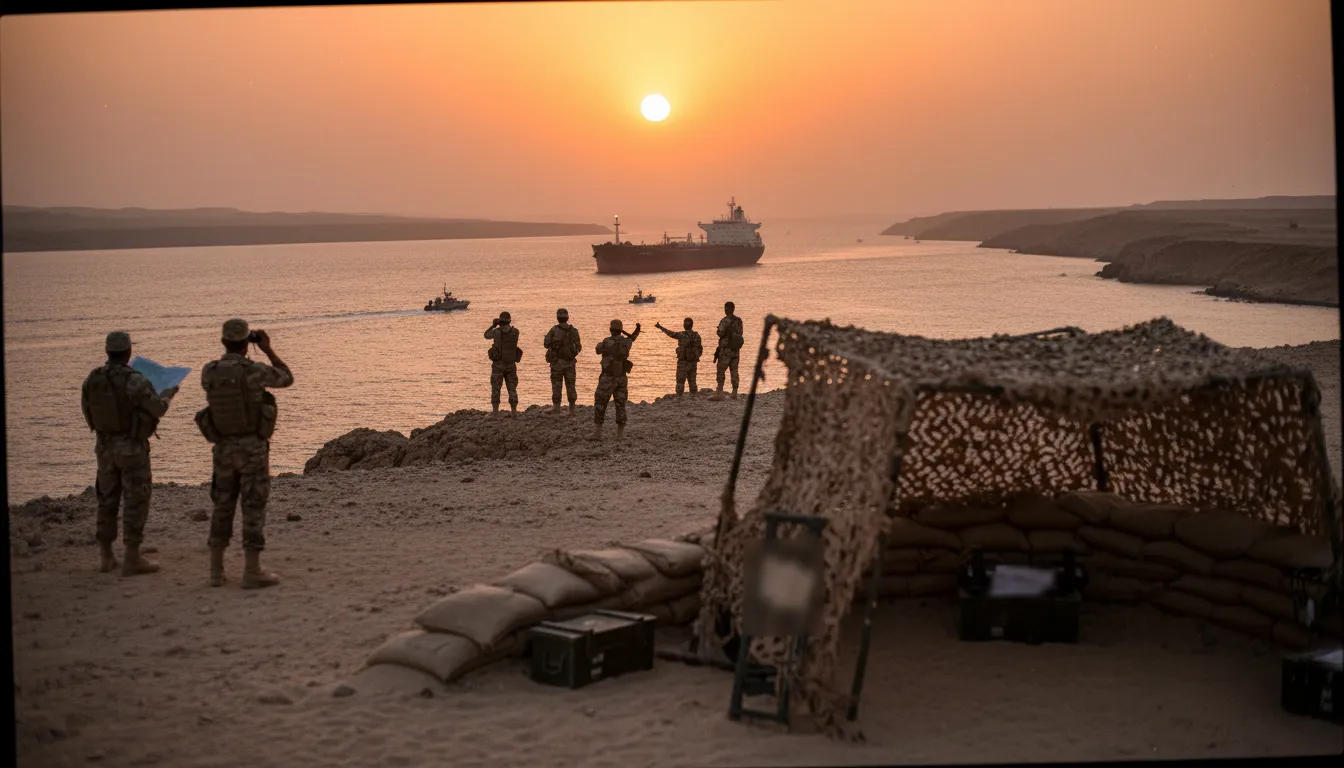
The Strait of Hormuz is the world's most critical oil chokepoint. Approximately 20 million barrels of oil per day — roughly one-fifth of global supply — normally transit the narrow waterway. Since Iran declared the strait closed in early March, shipping traffic has virtually halted, sending shockwaves through global energy markets.
Following Trump's ultimatum, Brent crude climbed to approximately $114 per barrel, up more than 40% from pre-conflict levels. In the United States, the national average gasoline price hit $3.94 per gallon, up more than a dollar from a month earlier, according to AAA.
Missiles Hit Israeli Cities
The ultimatum coincided with continued Iranian missile strikes on Israeli territory. On the same day, Iranian missiles struck the southern Israeli cities of Dimona and Arad — near Israel's nuclear research facility — wounding at least 175 people who arrived at southern Israel's main hospital. The broader conflict has killed over 2,000 people, with Iran reporting more than 1,500 deaths and Israel suffering 15 fatalities from Iranian strikes.
Military Disconnect
US Admiral Brad Cooper claimed American fighter jets had already degraded Iran's anti-ship capabilities, destroying an underground coastal facility containing cruise missiles and mobile launchers. Yet Al Jazeera's correspondent noted a clear disconnect between the White House's escalation rhetoric and the military's claims of already neutralizing Iran's naval threat capabilities in the strait.
Foreign Minister Abbas Araghchi stated Iran has selectively allowed certain ships from specific countries to transit the strait but reserves military discretion over passage decisions — a position that falls far short of Trump's demand for unconditional reopening.
What Comes Next
With the 48-hour deadline set to expire Monday evening, the world faces the prospect of a dramatic new escalation in the Middle East's most dangerous conflict in decades. If Trump acts on his threat, the consequences could extend far beyond Iran — potentially disrupting energy and water infrastructure across Gulf states that have tried to remain neutral. Markets, governments, and military planners are bracing for what could be a pivotal turning point in a war that shows no signs of de-escalation.