Trump's New 15% Tariff Era Begins After SCOTUS Rebuke
The US Supreme Court struck down Trump's sweeping tariff authority in a 6-3 ruling, but the president swiftly pivoted to a different law to impose a 10–15% global import levy, throwing world trade into fresh turmoil.
A Historic Defeat at the Court
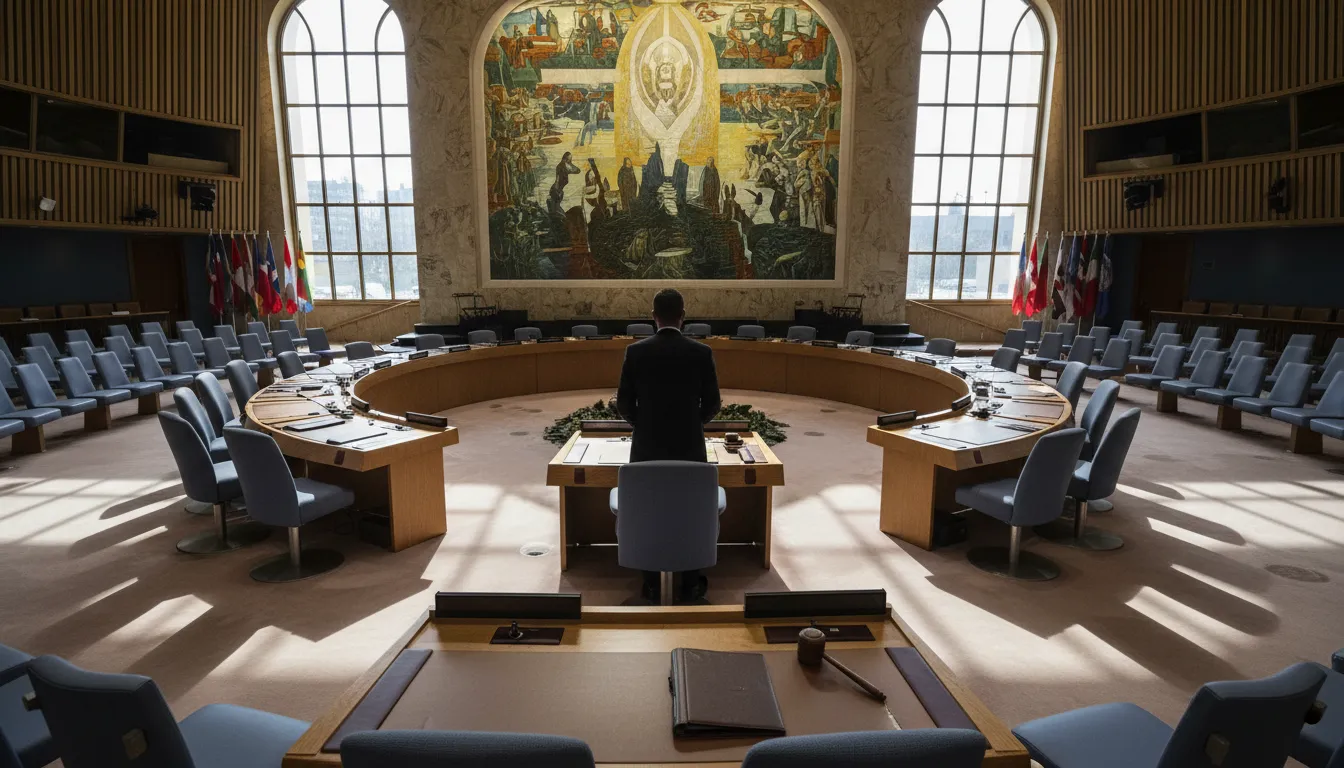
On February 20, 2026, the United States Supreme Court delivered one of the most consequential trade rulings in modern history. In a 6-3 decision in Learning Resources, Inc. v. Trump, the justices struck down the sweeping tariffs President Donald Trump had imposed under the International Emergency Economic Powers Act (IEEPA), ruling that the law simply does not grant the president power to levy import duties.
Chief Justice John Roberts, writing for the majority, was blunt:
"IEEPA contains no reference to tariffs or duties. Those words cannot bear such weight."The Court rejected the administration's argument that trade imbalances and fentanyl trafficking constituted national emergencies that justified broad tariff authority. Justices Clarence Thomas, Samuel Alito, and Brett Kavanaugh dissented. Justice Kavanaugh, in a notable warning, flagged that the ruling could require the government to refund billions of dollars already collected from importers — a legal and financial headache that remains unresolved.
Trump Fights Back With a New Legal Weapon
Within hours of the ruling, the White House announced it would not concede the trade war. Instead, Trump invoked Section 122 of the Trade Act of 1974, a narrower but legally distinct authority, to impose a flat 10% tariff on imports from all countries — effective February 24. The following day, Trump posted on Truth Social that the rate was being raised "effective immediately" to 15%, the maximum permitted under Section 122.
There is, however, a critical constraint: Section 122 tariffs automatically expire after 150 days unless Congress votes to extend them. That vote would fall just months before the November 2026 midterm elections, forcing legislators to take political ownership of a deeply unpopular policy. The Peterson Institute for International Economics noted this built-in clock makes the new tariffs "inherently temporary and legally fragile."
Global Shockwaves
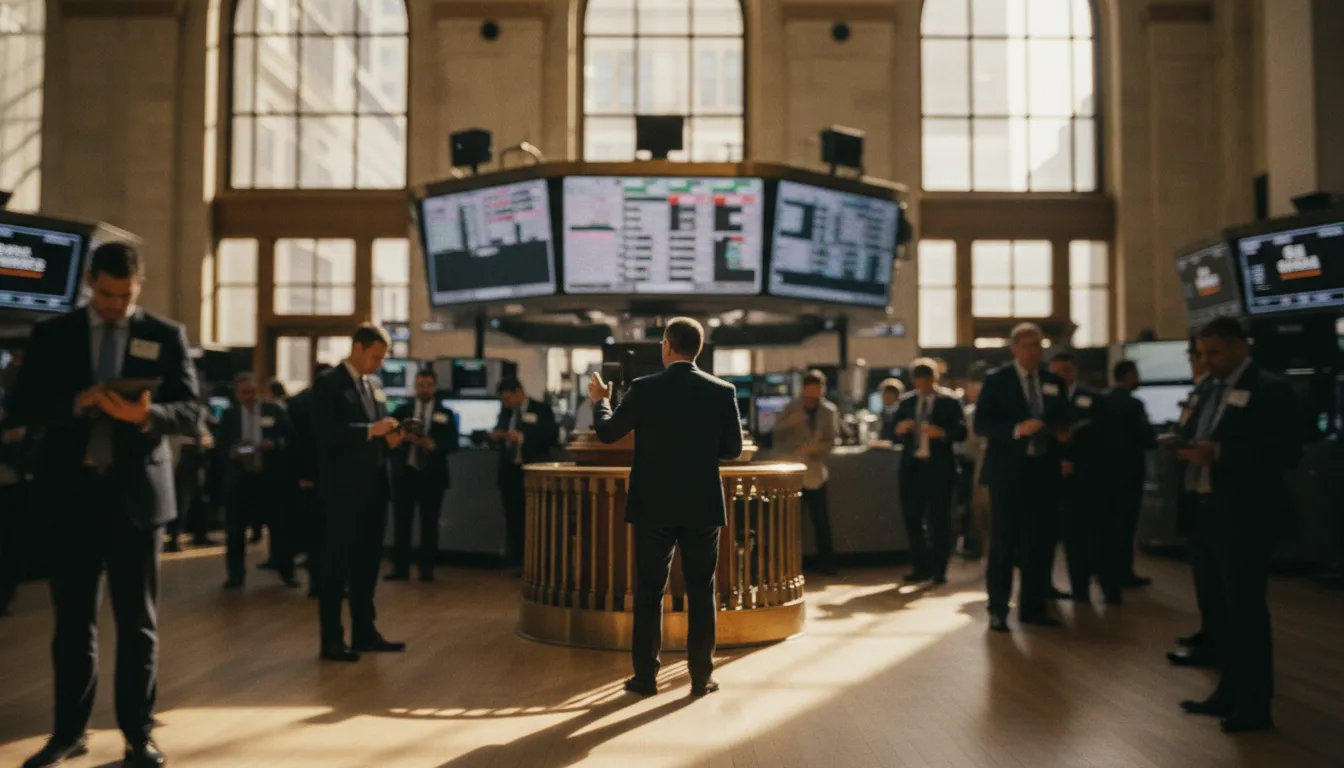
World markets and trading partners reacted with a mixture of relief and renewed anxiety. On Monday, the Dow Jones Industrial Average fell more than 820 points as investors processed the uncertainty, though some analysts noted a degree of market fatigue — one CNBC commentator dubbed the pattern "TACO" (Trump Always Chickens Out), suggesting traders expect eventual retreats.
International reactions varied sharply by country:
- China cautiously welcomed the SCOTUS ruling, with Beijing's embassy declaring "trade wars benefit nobody," while analysts estimated overall US tariff levels on Chinese goods could drop from roughly 36% to around 21%.
- Canada welcomed the ruling but noted that steel, aluminum, and automobile tariffs under Section 232 remain fully in force.
- South Korea and India, both of which had recently negotiated separate trade frameworks with Washington, expressed uncertainty about whether their deals would survive the legal reshuffling.
- France and Germany took a harder line, with Paris signaling the EU retains tools for retaliation if the 15% levy takes full effect.
The Economic Toll
The Tax Foundation estimates that the surviving tariffs — Section 232 duties plus the new Section 122 levy — will raise approximately $79 billion in federal revenue in 2026, equivalent to a roughly $1,000 average annual tax increase per US household. Critics argue this is effectively a regressive consumption tax hitting lower-income families hardest through higher prices on imported goods.
Trade lawyers warn that the Section 122 route will itself face legal challenges. The provision was designed to address balance-of-payments crises, and whether a broad geopolitical trade dispute meets that threshold is far from settled law.
What Comes Next
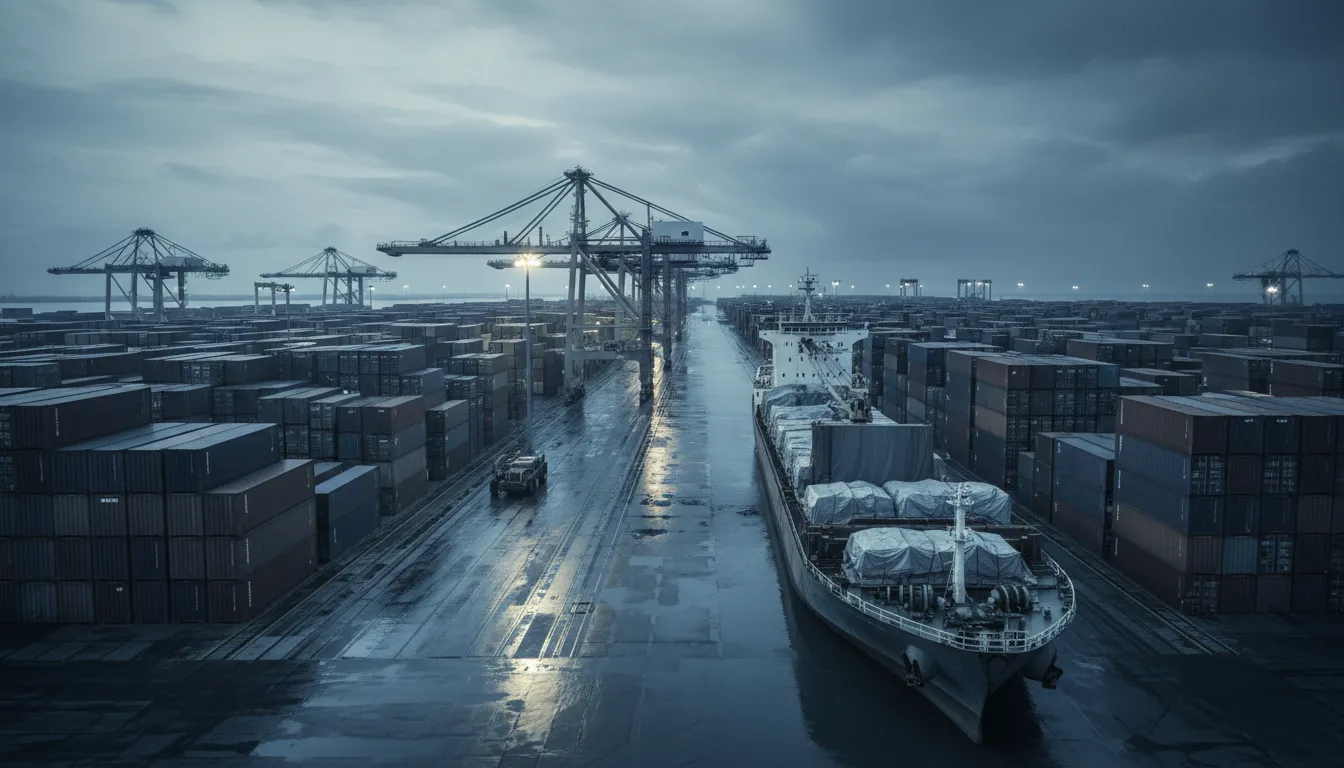
The Supreme Court ruling marks a rare institutional check on executive power in the Trump era, but it has not ended the trade war — it has merely shifted its legal terrain. With a 150-day countdown now running, Congress, the courts, and US trading partners are all scrambling to assess their next moves. Whether the 15% rate holds, rises further, or collapses under legal challenge, global supply chains face months more of grinding uncertainty.