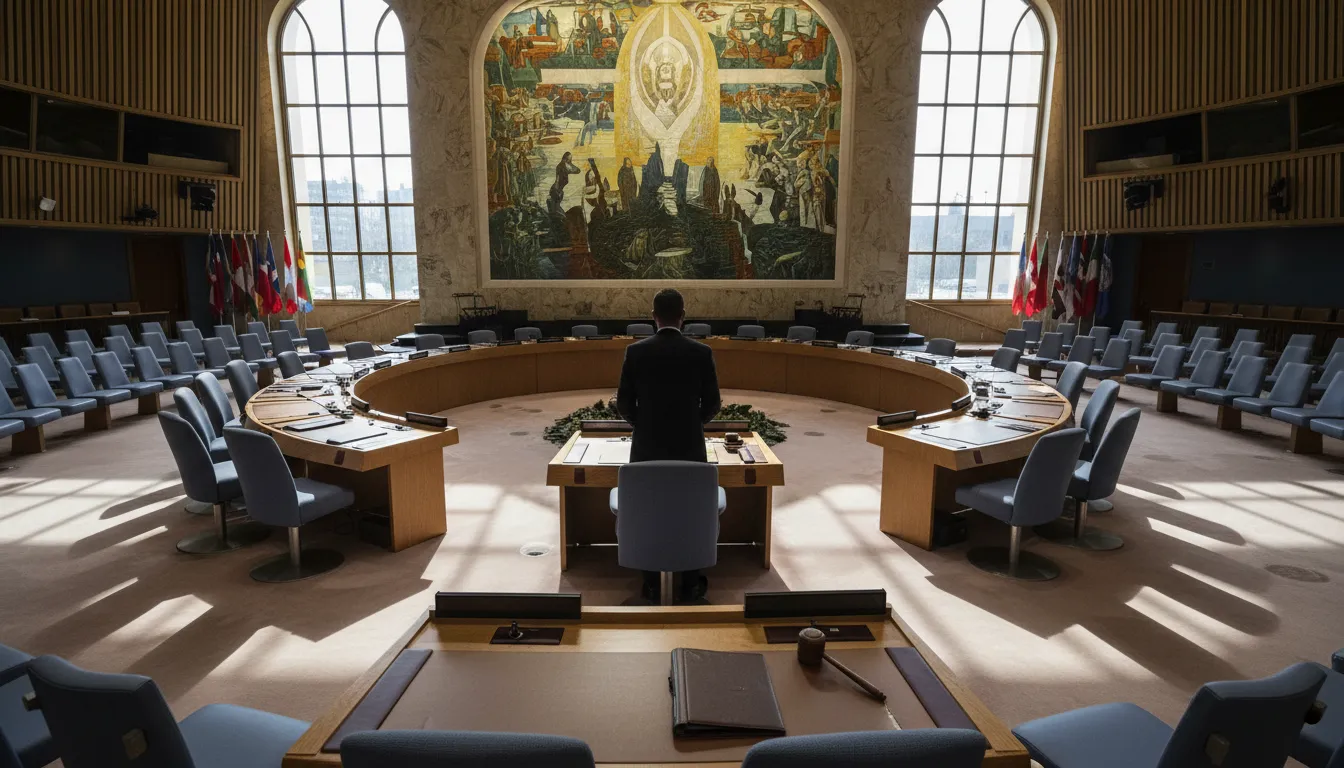
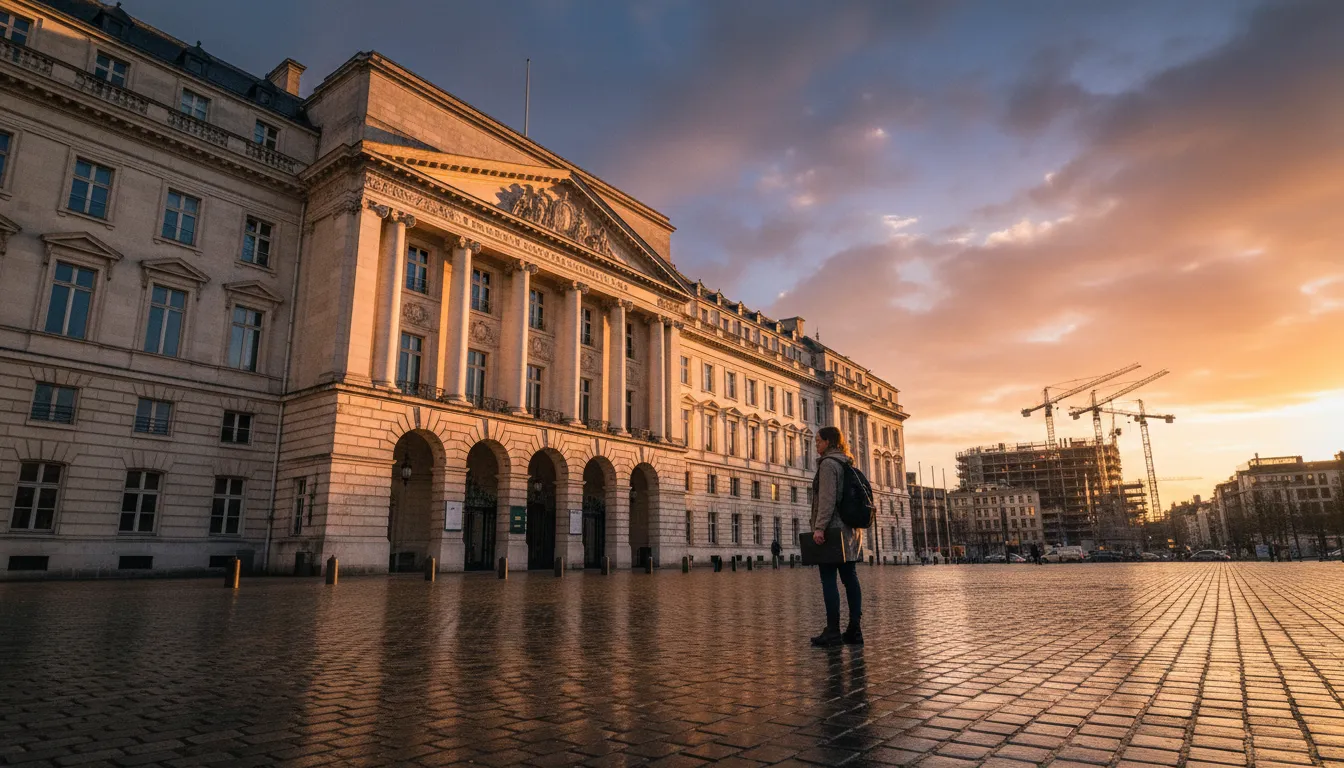
Yoon Suk Yeol Gets Life Sentence for Martial Law Attempt
South Korea's ousted former president Yoon Suk Yeol was sentenced to life in prison on February 19, 2026, after being convicted of insurrection for his short-lived declaration of martial law in December 2024—a ruling that stands as a landmark test of democratic accountability.
A Midnight Gamble Ends in a Lifetime Behind Bars
South Korea handed its ousted former president, Yoon Suk Yeol, a life sentence on February 19, 2026, marking the end of a dramatic legal odyssey that began with a midnight declaration of martial law that shocked the world. The ruling is the first time in three decades that a South Korean leader has been sentenced for insurrection—and carries deep significance for democracies well beyond the Korean Peninsula.
Six Hours That Shook a Nation
On the night of December 3, 2024, Yoon stunned his country in a live television address, declaring South Korea's first martial law in 44 years. He accused the opposition Democratic Party of harboring "anti-state forces" colluding with North Korea, suspending civilian rule and imposing a ban on political activity and press freedom.
Within hours, the country mobilized. Armed soldiers descended on the National Assembly by helicopter, but were met by lawmakers, parliamentary staff, and ordinary citizens who physically barricaded the entrances—fighting off troops in chaotic scenes broadcast live around the world. In an emergency overnight session, parliament voted unanimously to reject the martial law order. Yoon lifted it less than six hours after it began.
Impeachment, Arrest, and Trial
The constitutional crisis moved swiftly. Parliament impeached Yoon roughly ten days after the martial law attempt. In January 2025, he became the first sitting South Korean president to be arrested. South Korea's Constitutional Court upheld his removal from office in April 2025.
By the time his insurrection trial concluded, prosecutors had pushed for the death penalty—the maximum punishment under South Korean law for leading an armed rebellion. Presiding judge Ji Gwi-yeon found that Yoon's intent had been to paralyze the National Assembly indefinitely, citing his military decree's language and his attempts to arrest political opponents, including the opposition leader and his own ruling party's floor leader.
Yoon denied the insurrection charge throughout, arguing his actions were constitutionally legitimate and intended to alert the public to political gridlock caused by opposition obstruction. One of his lawyers called the verdict "predetermined" and accused the court of abandoning the rule of law.
The verdict's reach extended beyond Yoon. Former Defense Minister Kim Yong-hyun, considered the chief architect of the martial law plan, was sentenced to 30 years. Former Prime Minister Han Duck-soo had already received 23 years in January, the first Yoon administration official convicted of insurrection.
A Global Case Study in Democratic Resilience
Analysts and political scientists have pointed to the South Korean episode as a striking example of what functioning democratic institutions can accomplish under acute pressure. The Carnegie Endowment for International Peace noted that South Korea's rapid civilian mobilization reflected democratic norms "forged through decades of resistance to authoritarian rule."
South Korea's new President Lee Jae Myung expressed hope the case would become "a historic example for the restoration of democracy" worldwide. Outside the courthouse, both pro-Yoon supporters—some in tears, decrying what they called political persecution—and anti-Yoon protesters gathered, reflecting a nation still processing a profound rupture.
The verdict arrives as democratic backsliding remains a global concern. South Korea's experience—citizens physically blocking soldiers at parliament's doors, lawmakers convening in emergency session at midnight, courts delivering accountability without flinching—offers a rare and potent counter-narrative to the growing pattern of leaders eroding democratic guardrails without consequence. Yoon, who can appeal the sentence, has maintained that history will vindicate him.