Culture

Kultúra a umenie

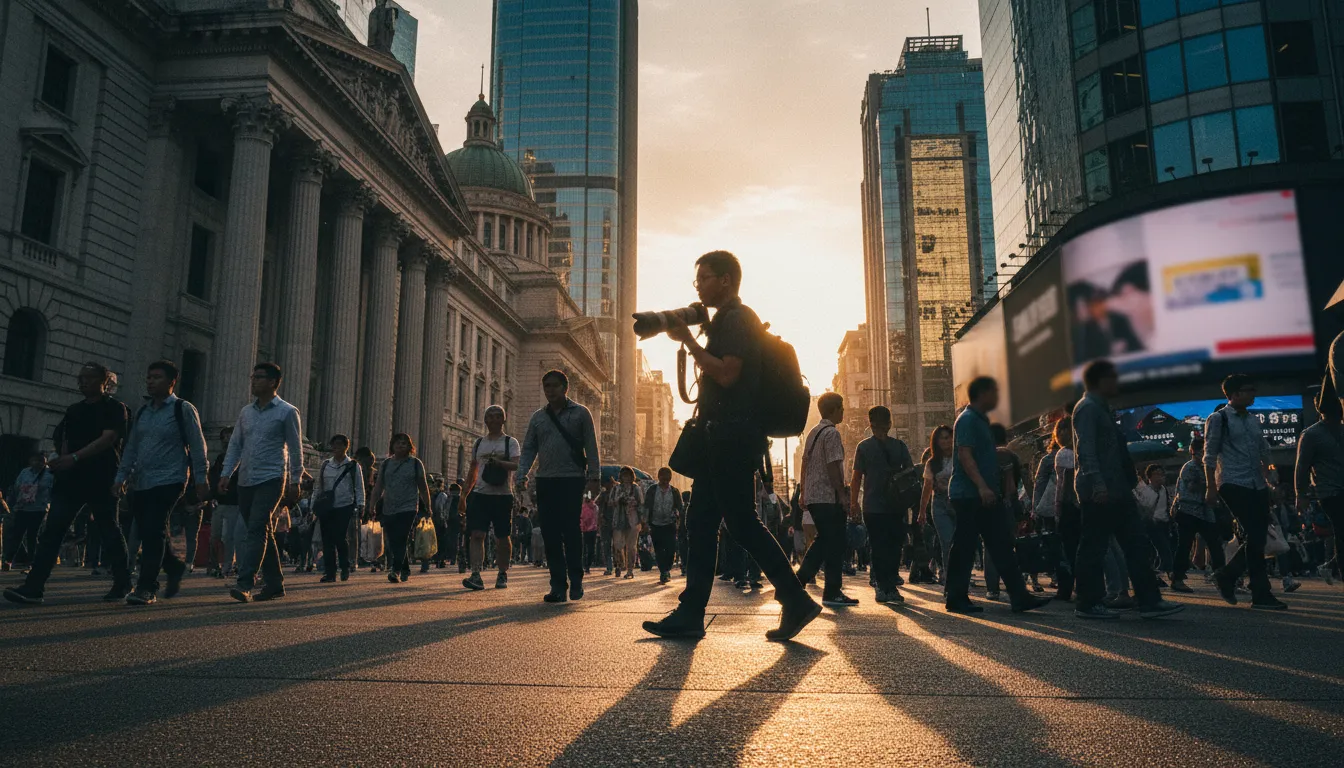
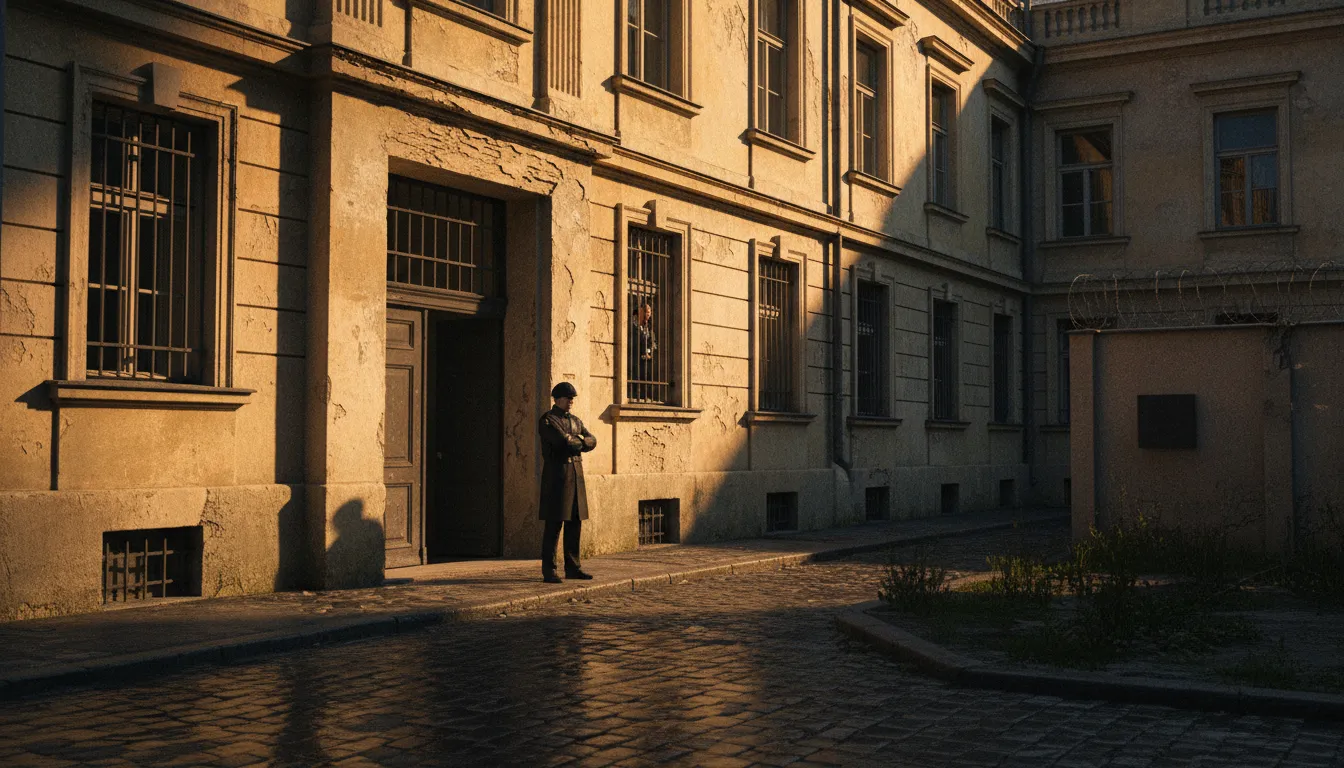
How Political House Arrest Works—and Why It Persists Culture

How Political House Arrest Works—and Why It Persists

Political house arrest confines dissidents and rivals to their homes instead of prison cells, giving governments a tool that silences opposition while...

Redakcia 19
How the World Press Freedom Index Works Culture

How the World Press Freedom Index Works

The World Press Freedom Index, published annually by Reporters Without Borders since 2002, ranks 180 countries on a 0–100 scale across five indicators...

Redakcia 21
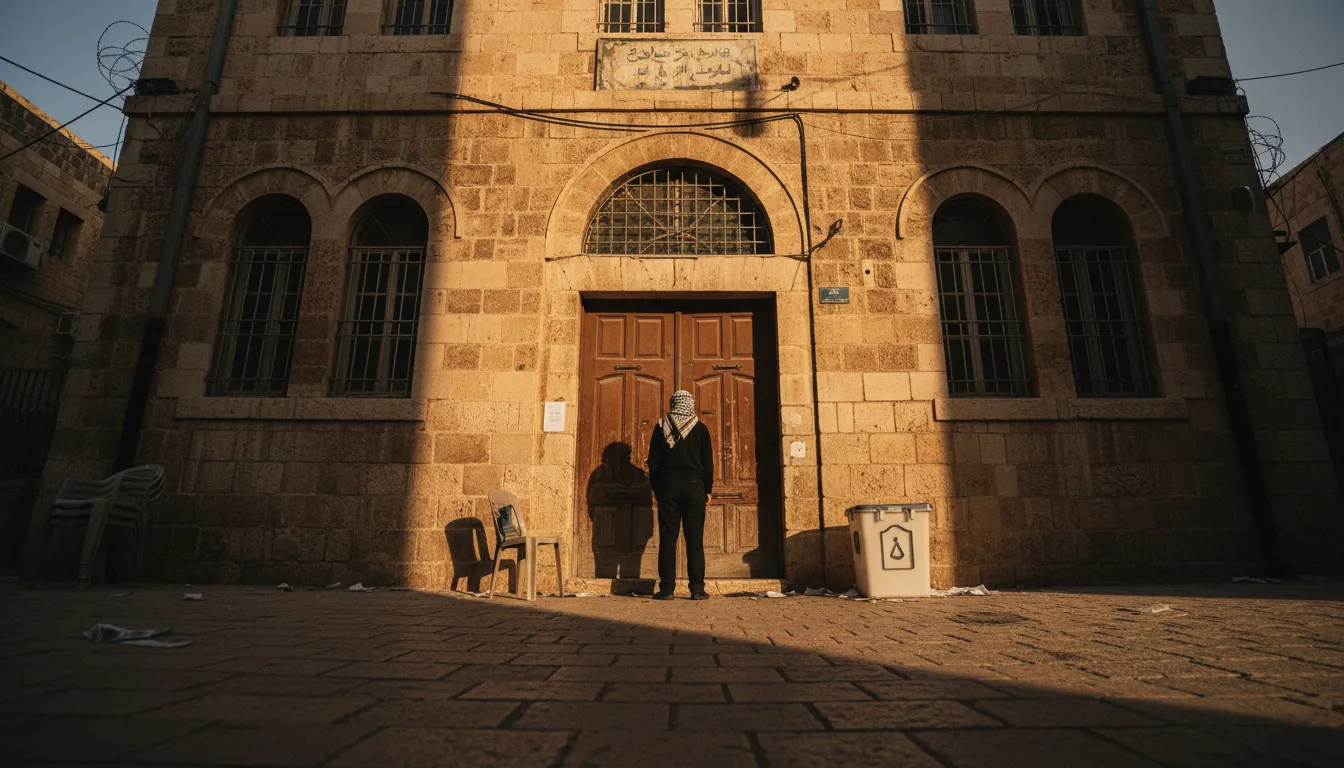
How Palestinian Elections Work—and Why They Stall Culture

How Palestinian Elections Work—and Why They Stall

The Palestinian Authority holds presidential, legislative, and local elections — but internal divisions, the Fatah-Hamas split, and the question of Je...

Redakcia 18
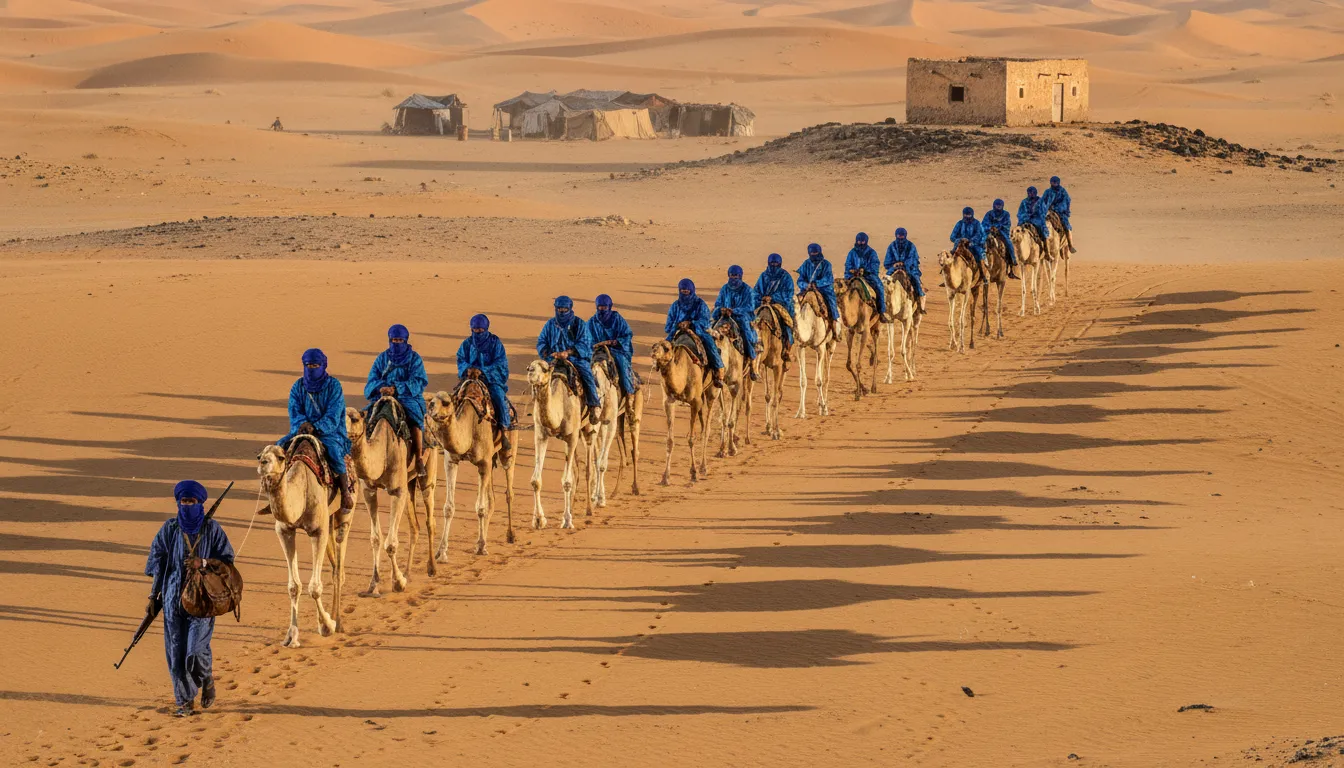
Who Are the Tuareg—and Why Do They Keep Rebelling? Culture

Who Are the Tuareg—and Why Do They Keep Rebelling?

The Tuareg, Sahara's nomadic 'blue people,' have launched at least five major rebellions since 1916. Their fight for autonomy in northern Mali reveals...

Redakcia 18
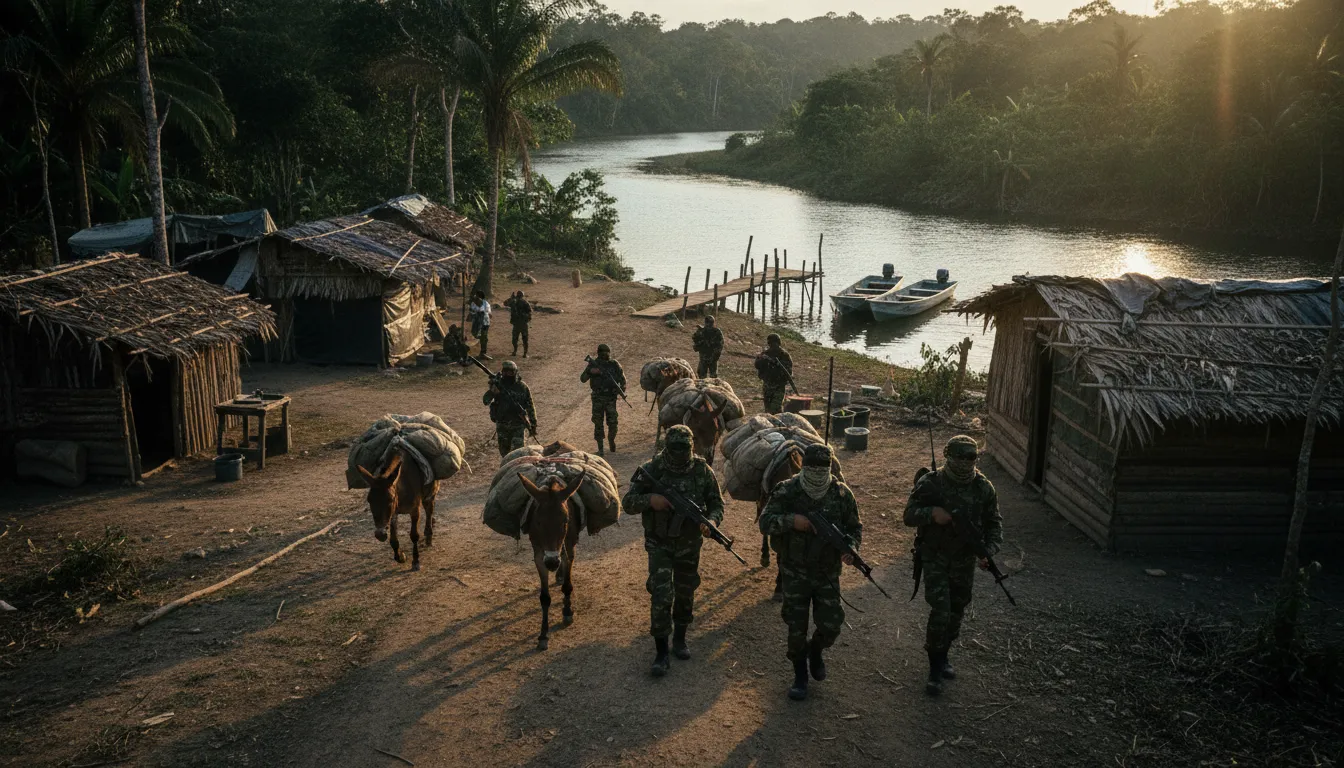
What Are FARC Dissidents—and Why Violence Persists Culture

What Are FARC Dissidents—and Why Violence Persists

Colombia's 2016 peace deal was meant to end decades of war with the FARC guerrillas. Instead, splinter factions rejected the accord, rearmed, and now...

Redakcia 19
How Popes Choose Their Names—and What They Signal Culture

How Popes Choose Their Names—and What They Signal

When a new pope steps onto the balcony of St. Peter's Basilica, his chosen name reveals his priorities. The tradition of papal name changes stretches...

Redakcia 14
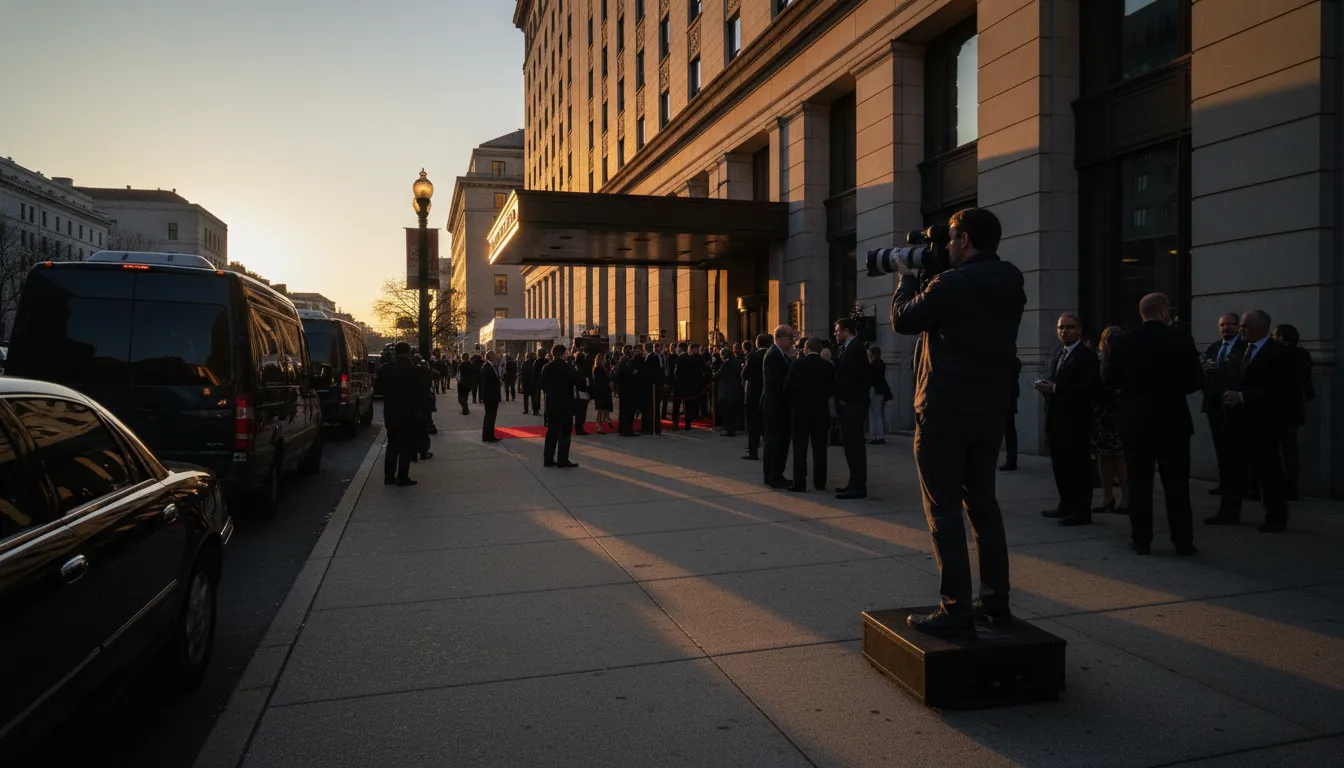
How the White House Correspondents' Dinner Works Culture

How the White House Correspondents' Dinner Works

The annual White House Correspondents' Dinner brings together journalists, politicians, and celebrities in a century-old tradition that celebrates pre...

Redakcia 15
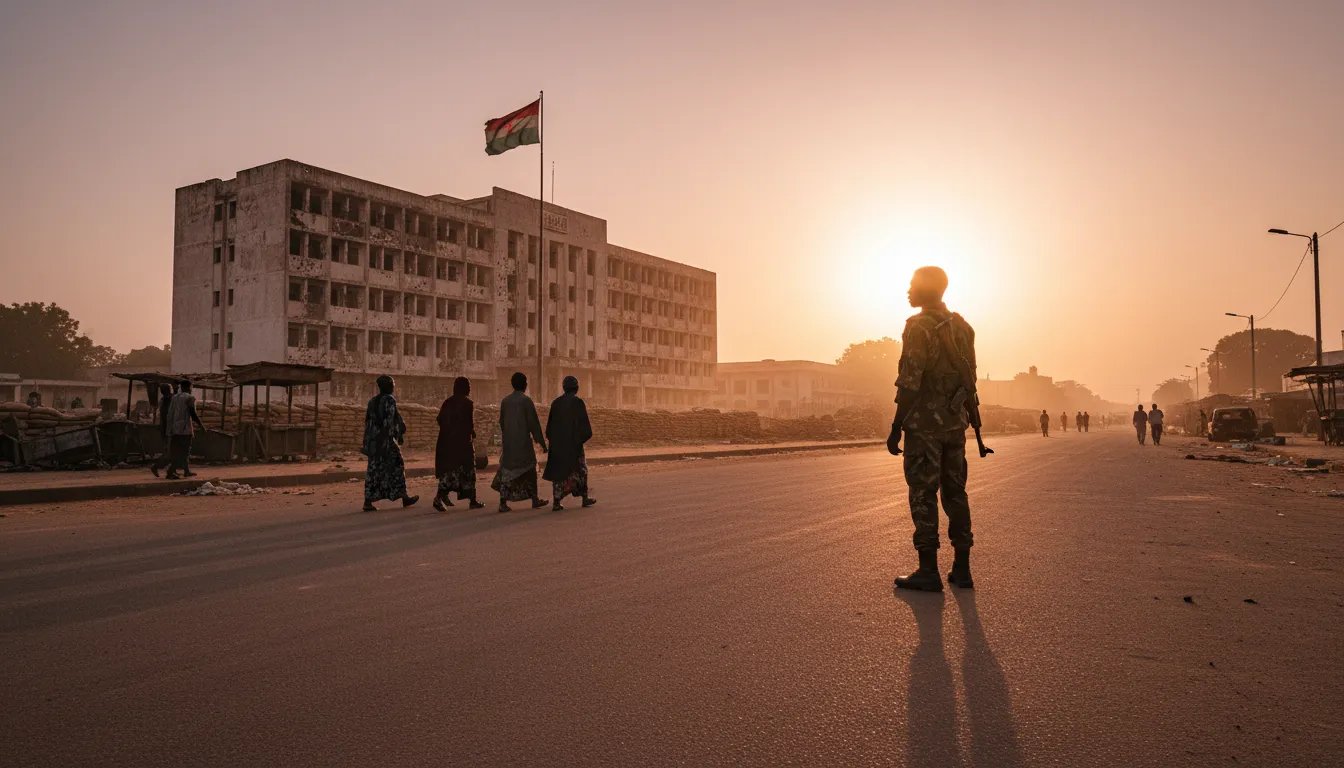
What Is the Coup Belt—Africa's Chain of Juntas Culture

What Is the Coup Belt—Africa's Chain of Juntas

Three Sahel nations—Mali, Burkina Faso, and Niger—fell to military coups in rapid succession. Here's how the Coup Belt formed, why juntas replaced dem...

Redakcia 18
How U.S. Execution Methods Work—From Injection to Squad Culture

How U.S. Execution Methods Work—From Injection to Squad

The United States uses five legally authorized execution methods. Here's how each works, why lethal injection became dominant, and why states are now...

Redakcia 20
What Is the Armenian Genocide—and Why Denial Persists Culture

What Is the Armenian Genocide—and Why Denial Persists

The Armenian Genocide of 1915–1916 killed up to 1.2 million people and inspired the very word 'genocide.' Over a century later, only 34 countries form...

Redakcia 14
How the International Criminal Court Works Culture

How the International Criminal Court Works

The ICC is the world's only permanent court for genocide, war crimes, and crimes against humanity. Here's how it investigates, prosecutes, and why enf...

Redakcia 22
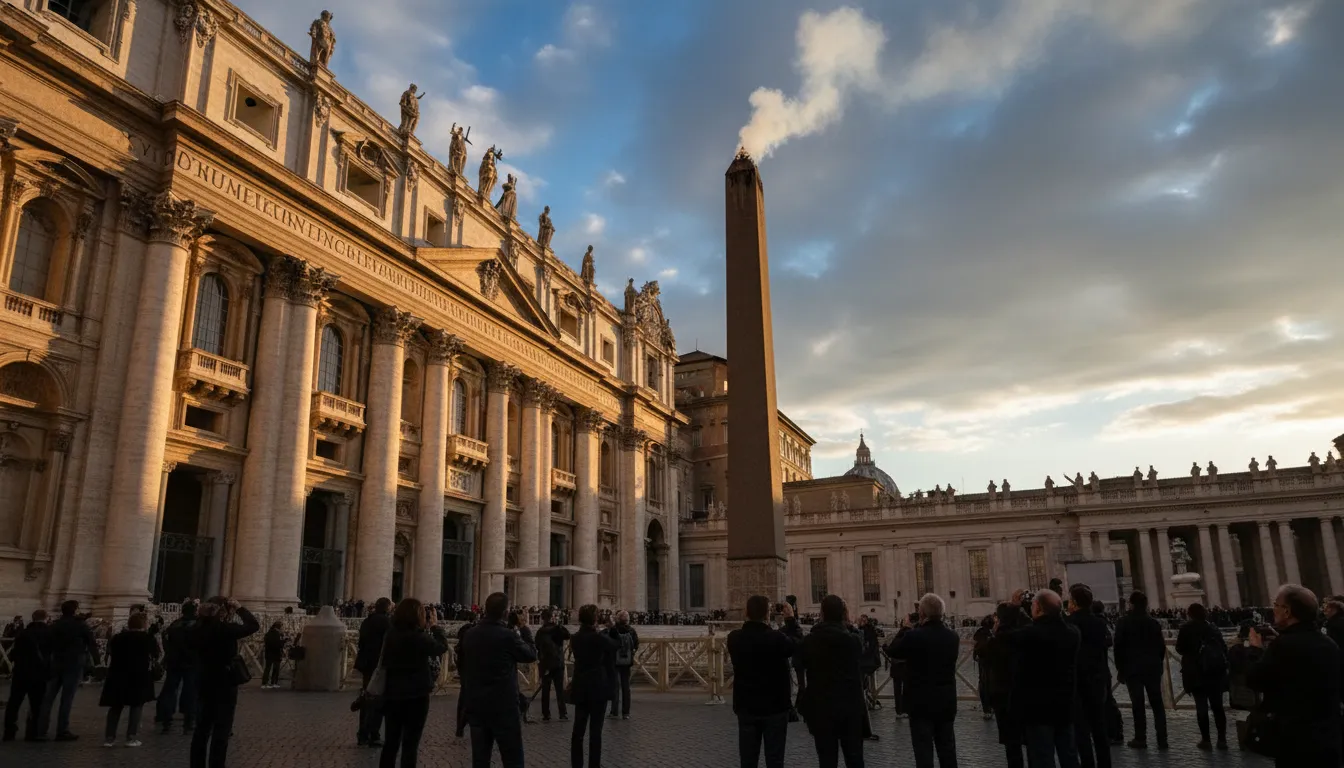
How a Papal Conclave Works—From Lock-In to White Smoke Culture

How a Papal Conclave Works—From Lock-In to White Smoke

A papal conclave is the centuries-old secret process by which Catholic cardinals elect a new pope, locked inside the Sistine Chapel until white smoke...

Redakcia 22