Science

Vedecké objavy a výskum

How Iron Builds Up in Your Brain—and Why It Matters Science

How Iron Builds Up in Your Brain—and Why It Matters

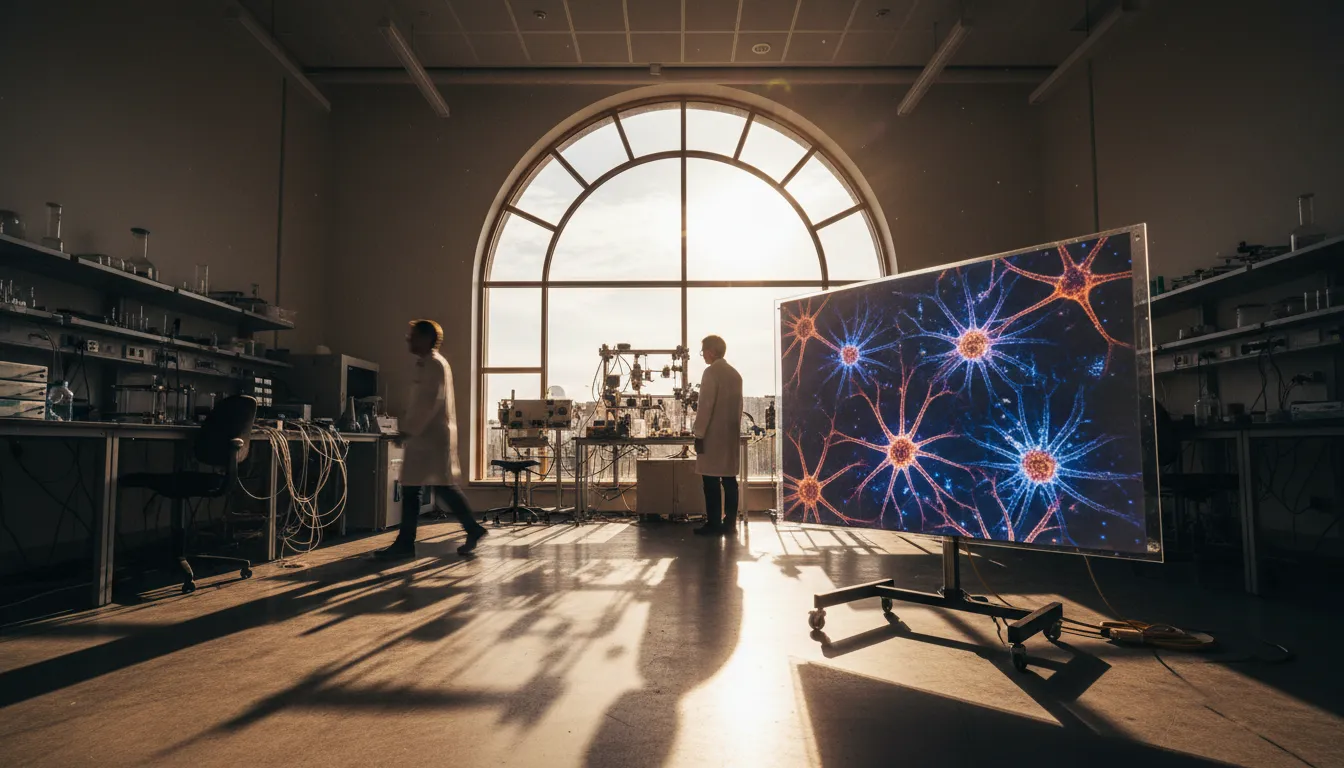
Iron is essential for brain function, but as we age it accumulates in key brain regions, damaging neurons and driving cognitive decline. Scientists ar...

Redakcia 16
How Gene Therapy for Deafness Works—One Injection Science

How Gene Therapy for Deafness Works—One Injection

Scientists can now restore hearing in people born deaf by injecting functional genes directly into the inner ear. Here's how the therapy works, which...

Redakcia 23
How the Rubin Observatory Will Map the Entire Sky Science

How the Rubin Observatory Will Map the Entire Sky

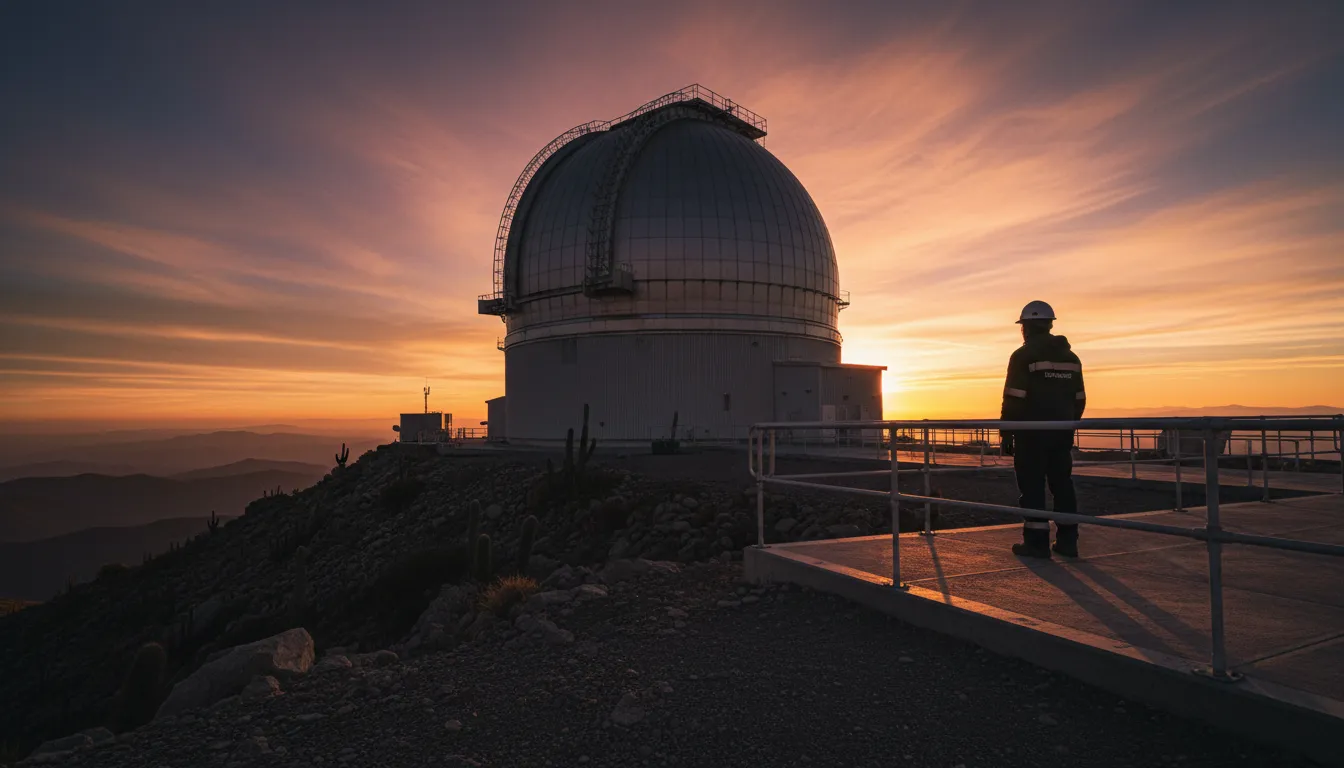
The Vera C. Rubin Observatory in Chile uses the world's largest digital camera to photograph the entire visible sky every three nights, hunting astero...

Redakcia 25
What Is Permafrost and Why Its Thaw Threatens Earth Science

What Is Permafrost and Why Its Thaw Threatens Earth

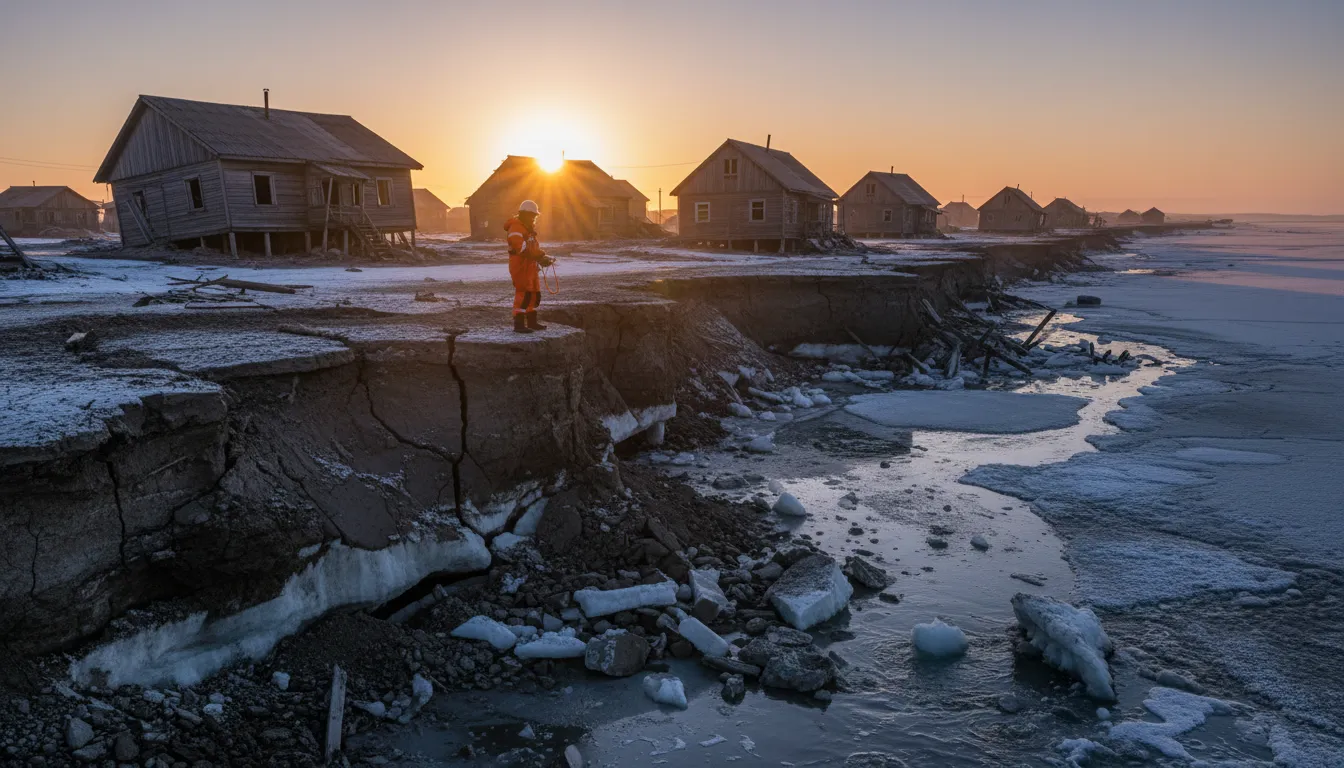
Permafrost stores twice as much carbon as the atmosphere. As the Arctic warms, this frozen ground is thawing—unleashing greenhouse gases, destabilizin...

Redakcia 20
What Are Astrocytes and How They Shape Your Memory Science

What Are Astrocytes and How They Shape Your Memory

Astrocytes, the brain's star-shaped glial cells, were long dismissed as mere support staff. New research reveals they actively encode fear memories, r...

Redakcia 19
What Are MXenes and Why They Could Rival Graphene Science

What Are MXenes and Why They Could Rival Graphene

MXenes are a fast-growing family of two-dimensional materials made from transition metal carbides and nitrides, offering metallic conductivity, tunabl...

Redakcia 18
What Are Nanoplastics and Why Are They Everywhere? Science

What Are Nanoplastics and Why Are They Everywhere?

Nanoplastics—plastic fragments smaller than a bacterium—have been found in oceans, blood, and even human brains. Here is how they form, where they end...

Redakcia 18
How Rip Currents Work—and How to Survive Them Science

How Rip Currents Work—and How to Survive Them

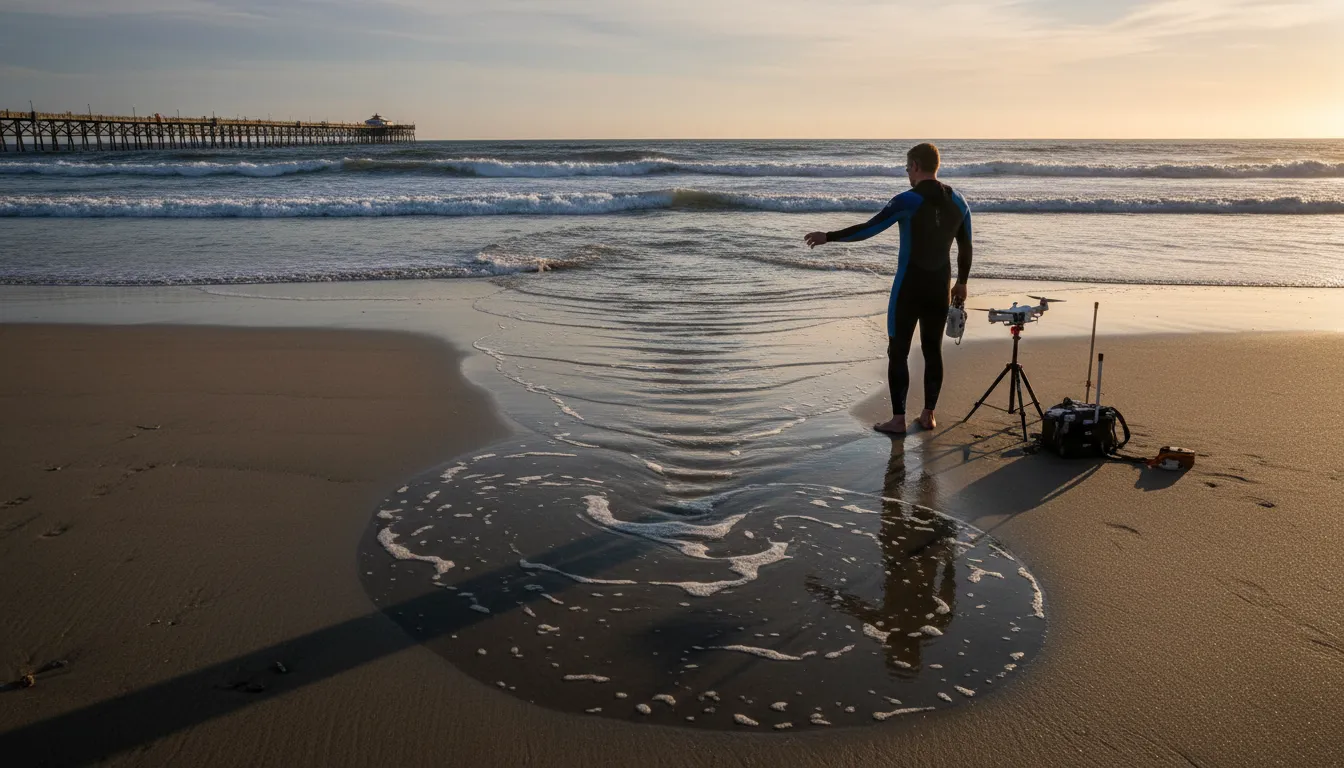
Rip currents kill more beachgoers than sharks, hurricanes, and tornadoes combined. Here is how these invisible rivers form, why they catch swimmers of...

Redakcia 16
How NASA's SLS Mega-Rocket Works—and Why It Matters Science

How NASA's SLS Mega-Rocket Works—and Why It Matters

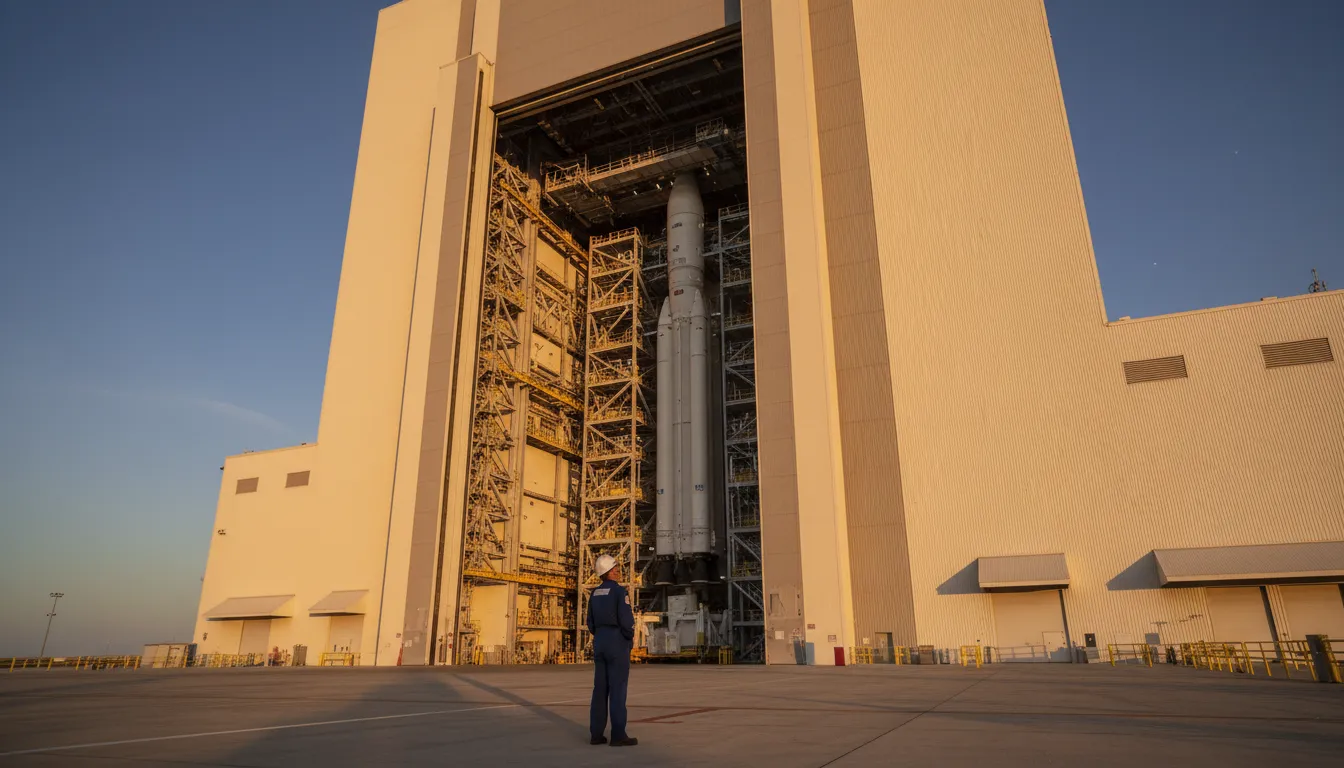
NASA's Space Launch System is the most powerful rocket ever built for crewed spaceflight, designed to send astronauts beyond low Earth orbit for the f...

Redakcia 24
How Supershear Earthquakes Work—and Why They Hit Harder Science

How Supershear Earthquakes Work—and Why They Hit Harder

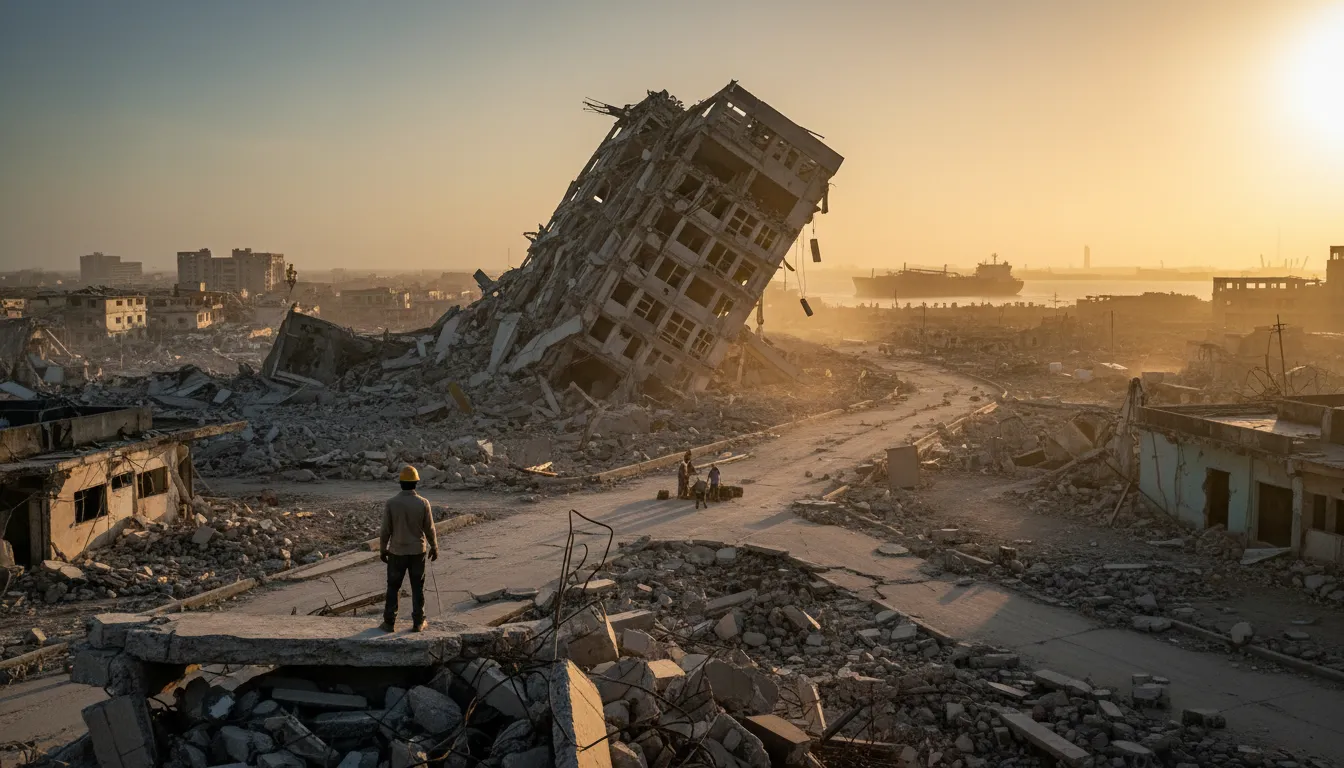
Supershear earthquakes rupture faster than their own seismic waves, creating Mach cone shockwaves analogous to sonic booms. These rare but devastating...

Redakcia 25
How Free-Return Trajectories Work—and Why They Save Lives Science

How Free-Return Trajectories Work—and Why They Save Lives

A free-return trajectory uses the Moon's gravity to slingshot a spacecraft back to Earth without engine burns, serving as the ultimate safety net for...

Redakcia 26
How Gamma-Ray Bursts Work—the Universe's Biggest Blasts Science

How Gamma-Ray Bursts Work—the Universe's Biggest Blasts

Gamma-ray bursts are the most powerful explosions in the known universe, releasing more energy in seconds than the Sun emits in its entire lifetime. H...

Redakcia 21