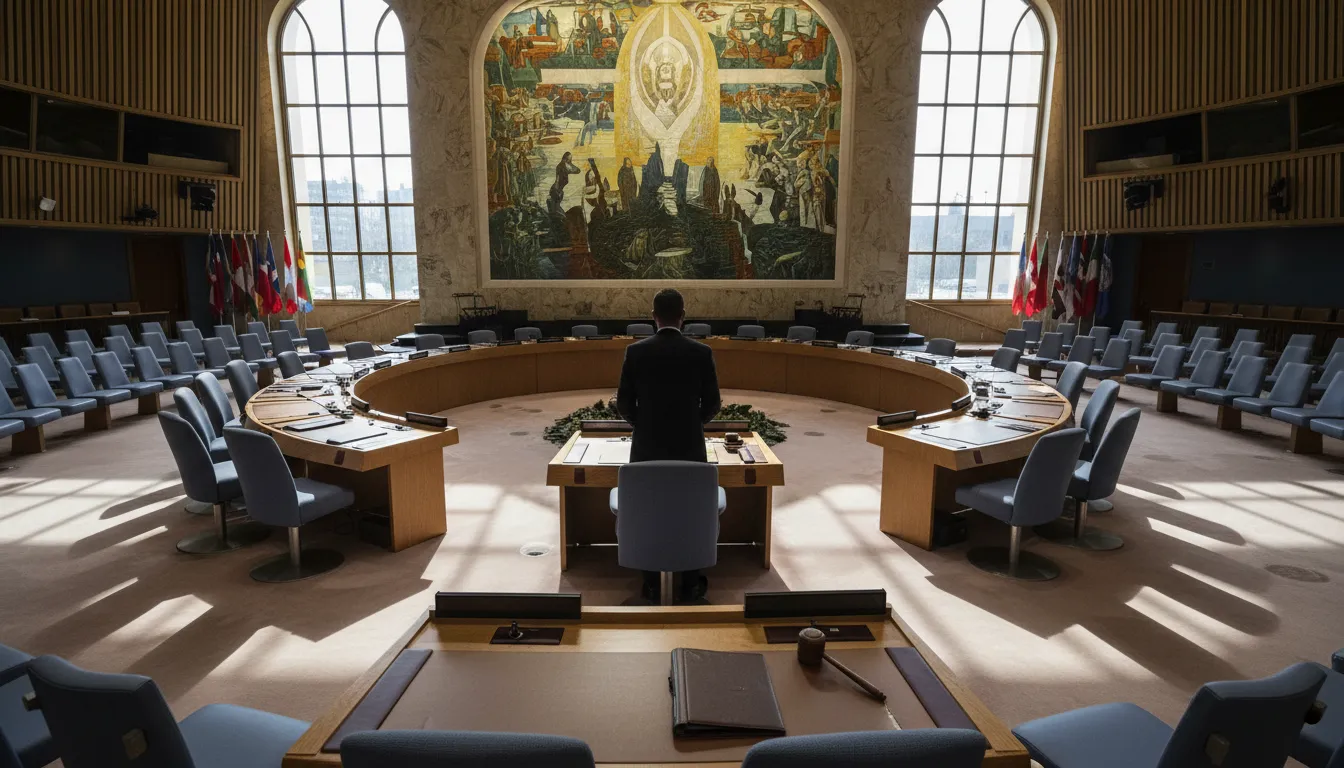
30-Nation Coalition Pledges Ukraine Force on War's 4th Year
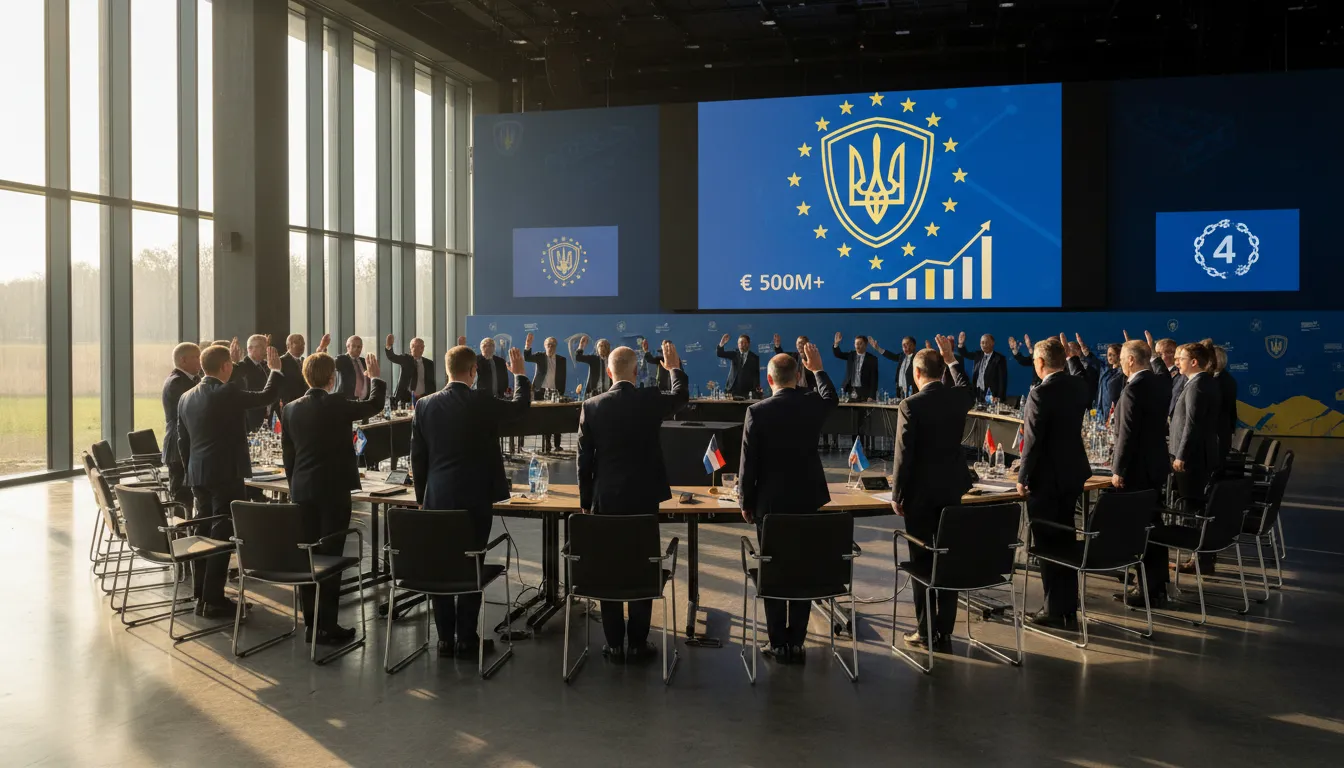
On the fourth anniversary of Russia's full-scale invasion, more than 30 nations reaffirmed a European-led Multinational Force for Ukraine and pledged over €500 million in new energy aid, as the conflict enters its fifth year with no ceasefire in sight.
A Grim Milestone, A Unified Response
Four years after Russian tanks crossed into Ukraine, more than thirty world leaders gathered virtually on February 24, 2026, to reaffirm their commitment to Kyiv's defense. The summit of the so-called "Coalition of the Willing" — co-chaired by UK Prime Minister Keir Starmer, French President Emmanuel Macron, and German Chancellor Friedrich Merz — was deliberately timed to mark the anniversary of Russia's full-scale invasion, sending a message of unity to both Kyiv and Moscow.
Ukrainian President Volodymyr Zelenskyy hosted an in-person delegation in Kyiv, flanked by Nordic-Baltic heads of state, senior EU representatives, and Croatia's leadership — a show of solidarity that underscored how thoroughly European security policy has been reshaped by four years of war.
Troops, Loans, and Half a Billion in Energy Aid
The centerpiece of Tuesday's summit was a reaffirmation of the Multinational Force for Ukraine — a proposed European-led deployment force first agreed at a landmark Paris meeting in January 2026. Under that Paris Declaration, the UK and France signed a Declaration of Intent to station troops on Ukrainian territory in the event of a ceasefire. Macron has estimated France alone could contribute "several thousand" troops, while the United States has backed the framework by pledging to lead a ceasefire monitoring and verification mechanism.
Financial commitments matched the military rhetoric. The EU's €90 billion loan package remains on track, and coalition partners mobilized over €500 million in new pledges to the Ukraine Energy Support Fund — critical as Russian strikes continue targeting power infrastructure across the country. Leaders also renewed vows to tighten sanctions, specifically going after Russia's shadow fleet, oil trading networks, and military-industrial supply chains.
Pressure on Russia, Demand for Full Ceasefire
The joint statement called on Moscow to "engage meaningfully in peace discussions" and agree to "a full, unconditional ceasefire," restating the foundational principle that international borders cannot be changed by force — a direct rebuke of Russia's illegal annexation of Ukrainian territories.
Russia has consistently rejected the presence of any NATO-affiliated troops on Ukrainian soil as part of any peace arrangement. Adding friction, a Daily Telegraph analysis published the same day suggested the coalition's planned troop deployments would, in practice, require Moscow's tacit acquiescence to be viable — a reality coalition leaders have been reluctant to acknowledge publicly.
A New European Security Architecture Takes Shape
The meeting reflects a deeper structural shift: European nations, alarmed by uncertain US commitment to NATO under the Trump administration, have accelerated efforts to build independent deterrence capacity. The Coalition of the Willing now represents the most concrete — if still fragile — expression of that new posture.
As Ukraine enters its fifth year of war, the coalition faces a pivotal test: translating pledges into operational capability before any peace negotiations crystallize. With Russia still occupying large swaths of Ukrainian territory and showing no sign of genuine engagement, the multinational force remains more blueprint than boots on the ground.