AI Reads Brain MRI Scans in Seconds With 97.5% Accuracy
University of Michigan researchers have developed Prima, an AI system that interprets brain MRI scans in seconds, identifying over 50 neurological conditions and flagging urgent cases for immediate specialist attention.
A New Standard in Neuroimaging
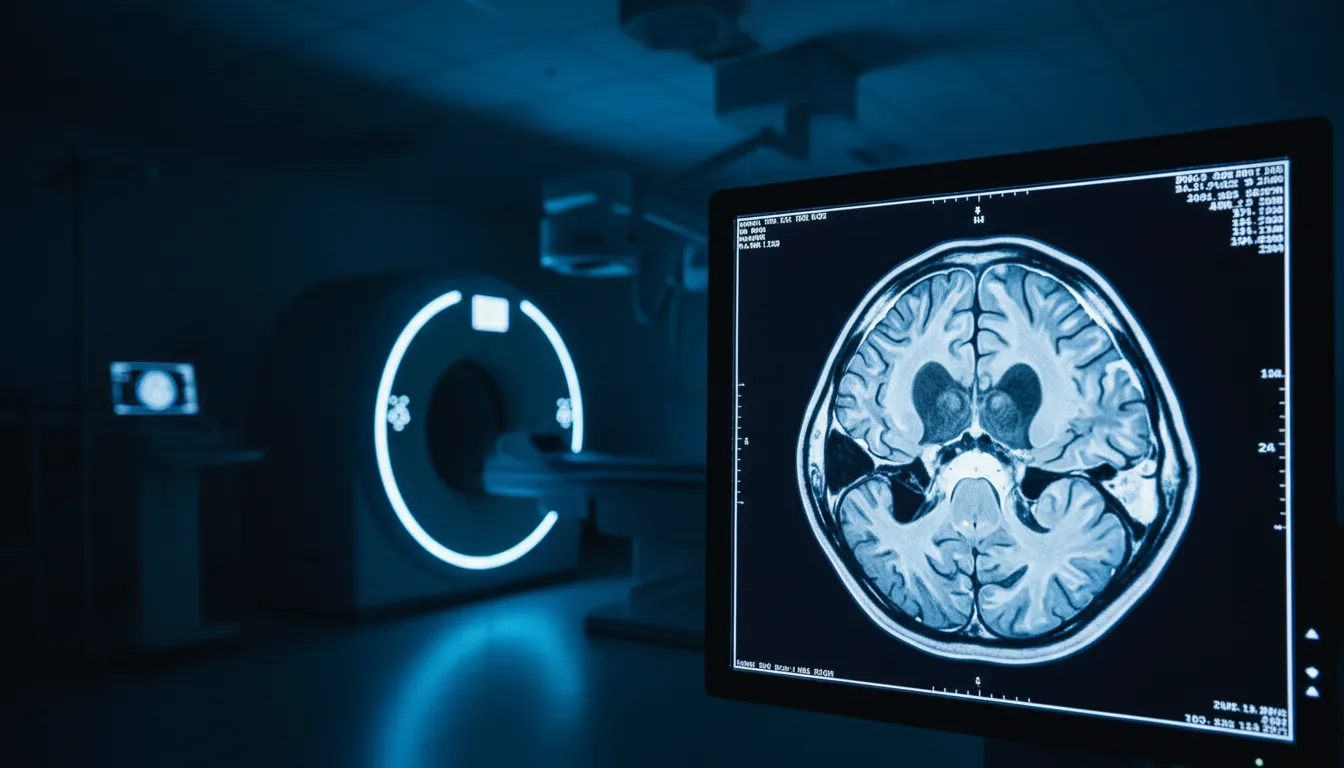
A team of researchers at the University of Michigan has unveiled an artificial intelligence system called Prima that can read and diagnose brain MRI scans in a matter of seconds. The system, published in Nature Biomedical Engineering in February 2026, identifies more than 50 neurological conditions and determines which patients need urgent care — a capability that could reshape how hospitals triage brain emergencies.
"The system is designed to function more like a practicing radiologist by integrating imaging data with clinical context," said Dr. Todd Hollon, a neurosurgeon at University of Michigan Health and the study's senior author.
How Prima Works
Prima is a vision language model — a class of AI that can simultaneously process images, video, and text in real time. The team trained it on an enormous dataset: more than 200,000 MRI studies and 5.6 million imaging sequences collected over decades at University of Michigan Health. Crucially, the model also ingested patients' clinical histories and the reasons physicians ordered each scan, giving it contextual understanding that goes beyond pattern recognition in images alone.
In a year-long evaluation involving over 30,000 MRI studies, Prima achieved a mean diagnostic area under the curve of 92.0% across 52 radiologic diagnoses, with accuracy reaching 97.5% for certain conditions. It outperformed comparable state-of-the-art medical AI systems on both diagnostic accuracy and triage prioritization.
Flagging Emergencies in Real Time
Perhaps Prima's most consequential feature is its ability to flag time-sensitive cases. Neurological conditions such as stroke and intracranial hemorrhage demand intervention within minutes. Prima automatically identifies these urgent scans and recommends which subspecialist — a stroke neurologist, neurosurgeon, or other expert — should be alerted immediately after a patient completes imaging.
This intelligent triage layer addresses a growing crisis in radiology. Demand for neuroimaging has outstripped the supply of neuroradiologists, creating diagnostic bottlenecks at both large academic medical centers and rural hospitals with limited resources. Prima could substantially reduce those delays.
What Comes Next
The research team, which included co-first authors Yiwei Lyu and Samir Harake, along with radiology department chair Dr. Vikas Gulani, envisions expanding Prima beyond brain MRIs. Future applications could include mammography, chest X-rays, and ultrasound imaging, with deeper integration into electronic medical record systems.
A Parallel Discovery in Gut Health
In a separate but equally striking medical advance, researchers at the University of Cambridge have identified a mysterious group of gut bacteria called CAG-170 that appears to be a global marker of human health. Published in Cell Host & Microbe, the study analyzed gut microbiome samples from more than 11,000 people across 39 countries and 13 diseases, including Crohn's disease, obesity, colorectal cancer, and Parkinson's disease.
Healthy individuals consistently harbored higher levels of CAG-170, while people with chronic conditions showed depleted populations. The bacteria produce large amounts of Vitamin B12 and carry enzymes that break down carbohydrates and fibers — functions that likely support a stable gut ecosystem rather than benefiting the human host directly.
"CAG-170 bacteria appear to be key players in human health, likely by helping us digest food components and keeping the microbiome running smoothly," said Dr. Alexandre Almeida, who led the Cambridge research.
Most CAG-170 species have never been grown in a laboratory, making them part of the so-called "hidden microbiome." Their discovery opens the door to new biomarkers for assessing gut health and potential next-generation probiotic therapies.