Antimicrobial Resistance: The Silent Pandemic That Could Kill More Than Cancer by 2050
Antimicrobial resistance caused 1.27 million deaths in 2019 and contributed to 4.95 million. One in six bacterial infections now resists standard antibiotics. Only 6 of 27 antibiotics in clinical development are classified as innovative. The WHO warn
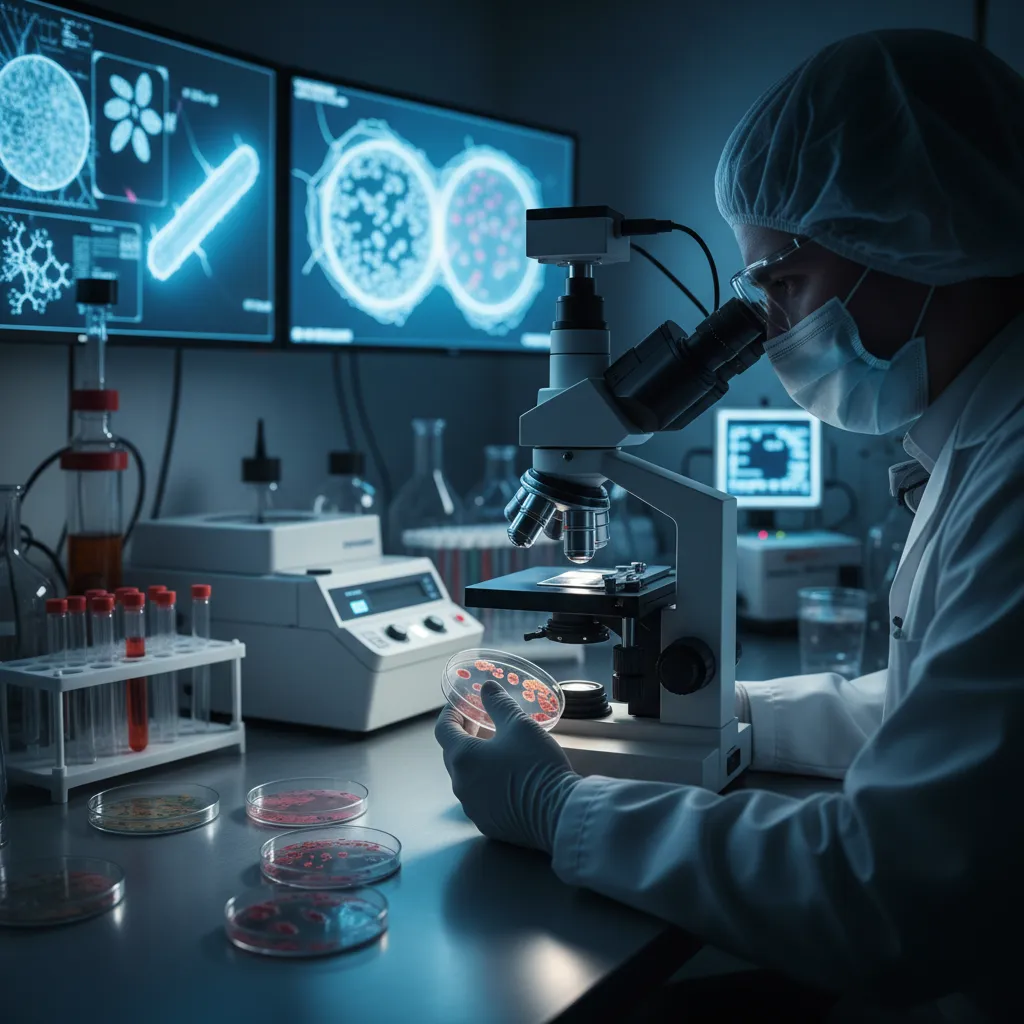
While the world focuses on artificial intelligence and geopolitical rivalries, a silent pandemic is accelerating in the background. Antimicrobial resistance (AMR), the ability of bacteria, viruses, and other microorganisms to withstand the drugs designed to kill them, is emerging as one of the most dangerous threats to global public health in the 21st century.
The Scale of the Crisis
Bacterial AMR was directly responsible for 1.27 million global deaths in 2019 and contributed to an additional 4.95 million deaths, making it a leading cause of mortality worldwide. Globally, one in six bacterial infections now resists standard antibiotics, a ratio that continues to worsen as resistant strains spread across borders and healthcare systems.
The WHO has identified AMR as one of the top global health and development threats, calling it "the next pandemic" that is already upending a century of achievements in global health.
The Antibiotic Pipeline Crisis
Perhaps most alarming is the near-absence of new antibiotics in development. The WHO's latest annual review of the pre-clinical and clinical antibacterial pipelines identified only 27 antibiotics in clinical development that address WHO bacterial priority pathogens. Of these, only 6 were classified as innovative, meaning truly novel approaches rather than modifications of existing drugs.
The clinical pipeline of new antimicrobials is described as "almost dry." Pharmaceutical companies have largely abandoned antibiotic research because the economics are unfavorable: antibiotics are used for short courses, new antibiotics are held in reserve, and resistance develops regardless, limiting commercial returns.
Healthcare Impact
Drug-resistant infections are already straining healthcare systems worldwide. Common procedures that rely on effective antibiotics, including surgery, cancer chemotherapy, organ transplants, and intensive care, become dramatically more dangerous when infections cannot be treated. The WHO's Global Antimicrobial Resistance and Use Surveillance System (GLASS) draws on more than 23 million bacteriologically confirmed cases to track resistance patterns across bloodstream infections, urinary tract infections, gastrointestinal infections, and gonorrhea.
Economic Projections
According to projections, the economic fallout from AMR by 2050 could exceed 2 trillion dollars globally, pushing 28 million people into poverty. These figures reflect not just direct healthcare costs but the broader economic damage from lost productivity, increased disability, and the collapse of medical capabilities that modern economies depend on.
What Can Be Done
Addressing AMR requires action on multiple fronts: developing new antibiotics through public-private partnerships and innovative funding models, implementing antibiotic stewardship programs to reduce unnecessary use, improving infection prevention and control in healthcare settings, addressing antimicrobial use in agriculture, and strengthening global surveillance systems.
The challenge is mobilizing political will and financial resources at a scale commensurate with the threat, before the window for effective action closes.
Sources: WHO, WHO Global Report 2025, The Lancet, WIPO