Court Kills IEEPA Tariffs; Trump Signs 10% Global Levy
The U.S. Supreme Court struck down Trump's IEEPA-based tariffs 6-3 on February 20, 2026, ruling the 1977 law does not grant presidential tariff authority. Trump immediately pivoted to Section 122 of the Trade Act of 1974, imposing a new 10% global surcharge.
A Historic Rebuke of Presidential Power
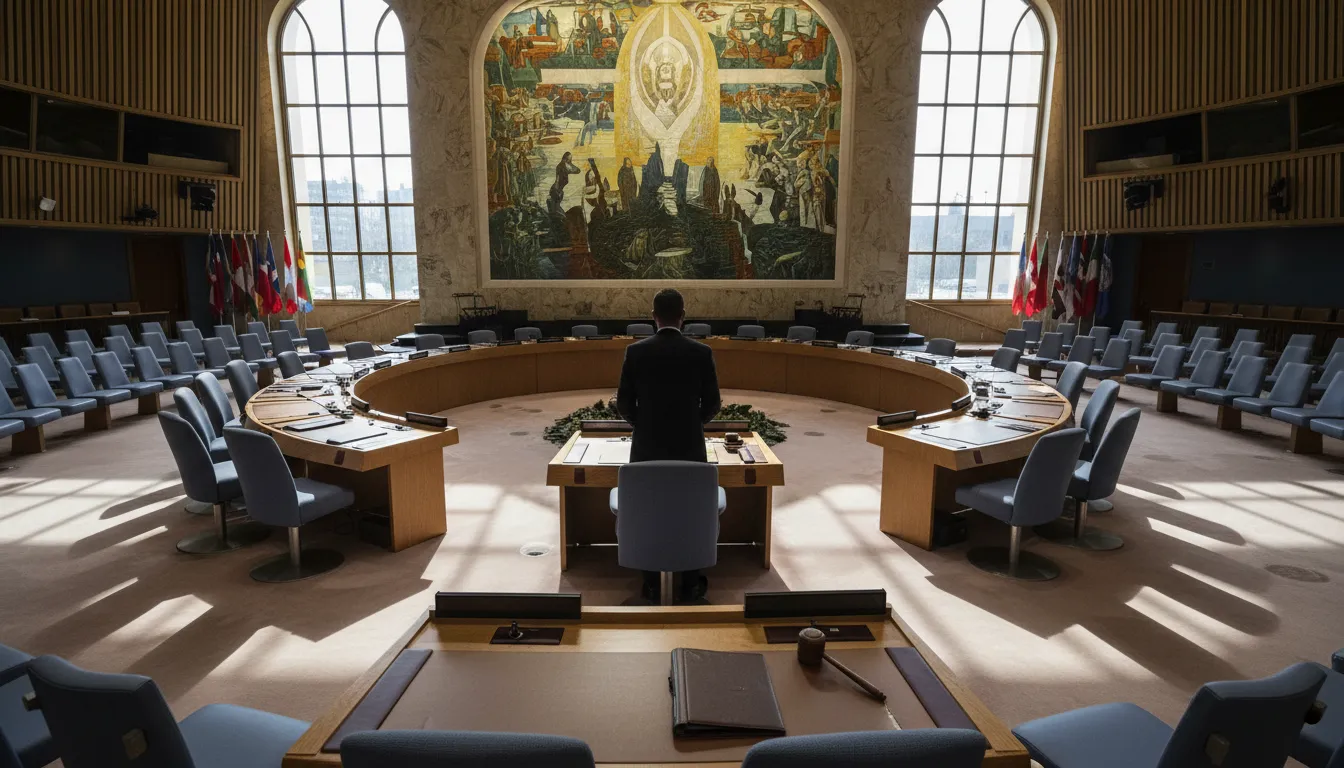
On February 20, 2026, the United States Supreme Court handed President Donald Trump one of the most significant legal defeats in modern trade history. In a 6-3 ruling in Learning Resources, Inc. v. Trump, the Court held that the International Emergency Economic Powers Act (IEEPA) of 1977 does not grant the president authority to impose import tariffs — dismantling the legal foundation of Trump's sweeping tariff agenda.
Chief Justice John Roberts, writing for the majority, zeroed in on a fatal textual flaw in the administration's argument. Based on two words — "regulate" and "importation" — separated by sixteen others in Section 1702(a)(1)(B) of IEEPA, Roberts wrote, the President had claimed the independent power "to impose tariffs on imports from any country, of any product, at any rate, for any amount of time." The Court found that language simply could not bear such weight.
An Unusual Coalition
The majority was strikingly bipartisan. Roberts was joined by the Court's three liberal justices — Sonia Sotomayor, Elena Kagan, and Ketanji Brown Jackson — as well as two Trump appointees, Neil Gorsuch and Amy Coney Barrett. Justices Clarence Thomas, Samuel Alito, and Brett Kavanaugh dissented.
The decision represents the most significant judicial constraint on presidential economic authority in decades, reaffirming that the power to levy tariffs belongs constitutionally to Congress under Article I — not to the executive branch acting alone under an emergency statute.
Trump's Immediate Countermove
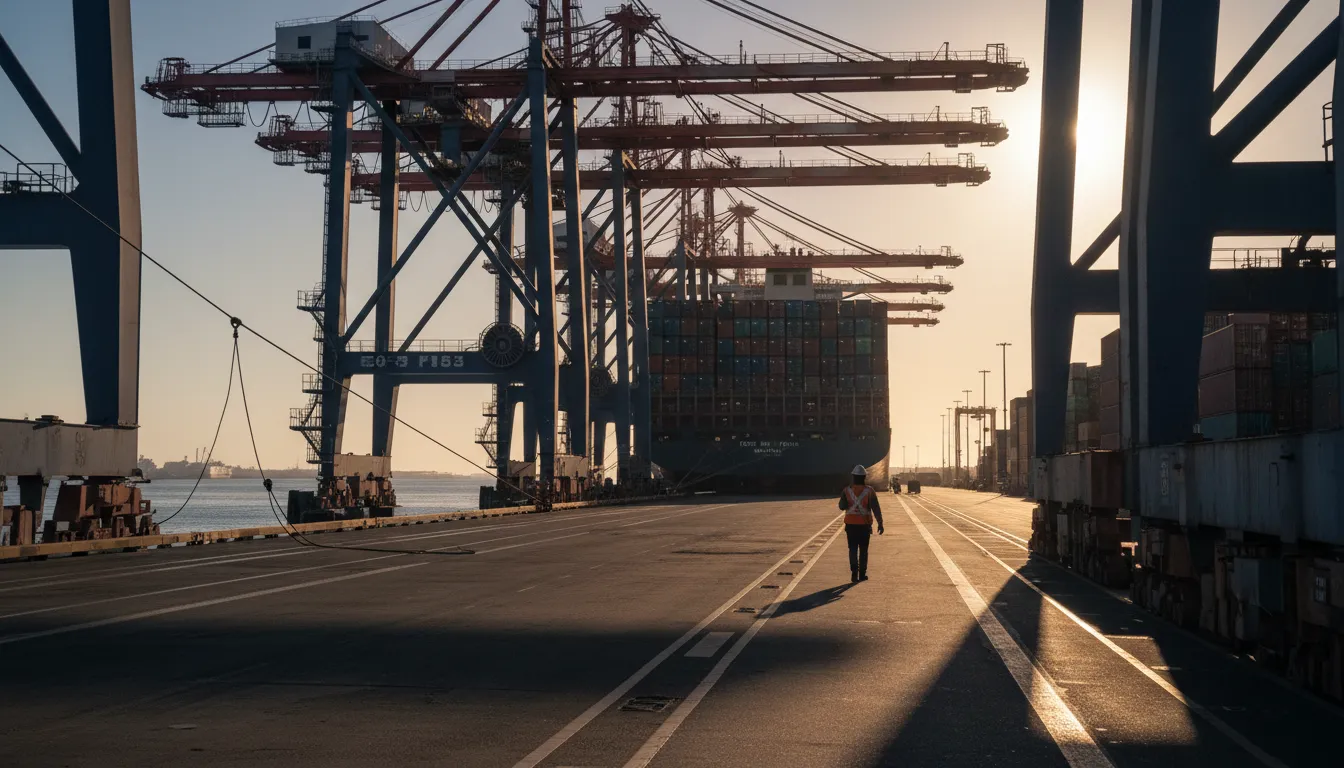
Within hours of the ruling, Trump refused to accept defeat. He announced — and signed — a new executive order invoking Section 122 of the Trade Act of 1974, imposing a 10% temporary import surcharge on goods from all countries, effective February 24, 2026. The following day, he announced he would raise the rate to the statutory maximum of 15%.
Section 122 is a different legal vehicle than IEEPA: it explicitly authorizes the president to impose surcharges of up to 15% to address balance-of-payments deficits — but crucially, only for up to 150 days unless Congress votes to extend them. The provision had never previously been used to impose tariffs at this scale.
Market Turbulence and Global Reaction
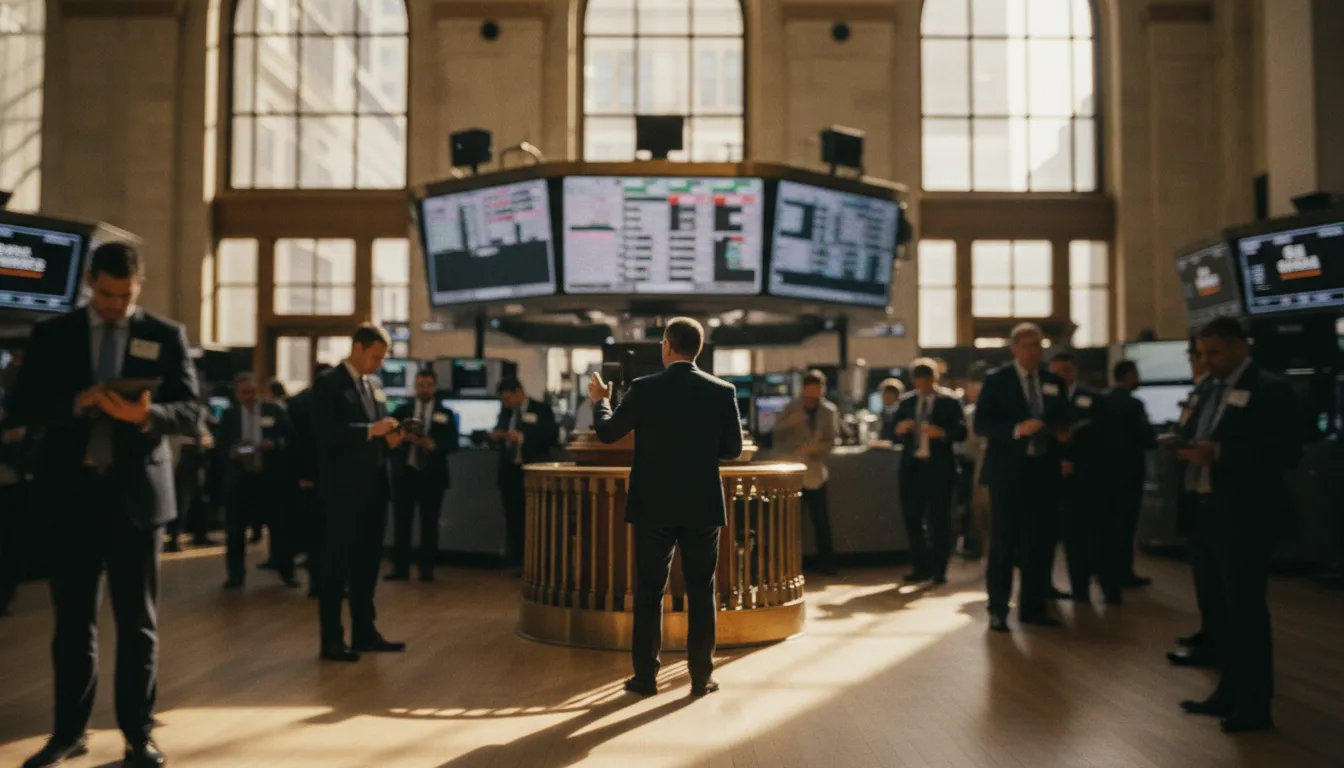
Global financial markets moved sharply on the news. Stocks, gold, bitcoin, and oil all saw volatility as traders tried to price in the legal uncertainty and the prospect of a partial but enduring tariff regime.
International reactions were swift. Canada's trade minister Dominic LeBlanc welcomed the ruling, saying it "reinforces Canada's position that the IEEPA tariffs imposed by the United States are unjustified." The European Union expressed measured relief, though officials remained alarmed by Trump's pivot to new tariffs. Meanwhile, China — previously facing some of the steepest IEEPA rates — gained leverage ahead of Trump's planned visit to Beijing in late March.
Paradoxically, countries such as the UK and Australia that had negotiated favorable 10% rates under IEEPA now find themselves subject to the same 15% Section 122 surcharge as everyone else — a worse outcome than before.
What Comes Next
Legal experts warn the battle is far from over. The 150-day clock on Section 122 tariffs means Congress will face pressure to legislate — either extending the surcharge or crafting a new statutory framework for trade policy. Importers who overpaid IEEPA tariffs may also be entitled to refunds, adding billions in potential government liability.
The ruling sets a clear precedent: emergency powers statutes cannot serve as a blank check for unilateral trade policy. But Trump's rapid pivot demonstrates that presidential creativity in finding legal authority is not easily exhausted — leaving global trading partners, businesses, and courts bracing for the next chapter.