Denmark Calls Snap Vote as Greenland Crisis Boosts PM
Danish Prime Minister Mette Frederiksen has called a snap parliamentary election for March 24, betting that her defiant stand against U.S. pressure over Greenland will carry her Social Democrats to a third consecutive term in power.
A Calculated Gamble
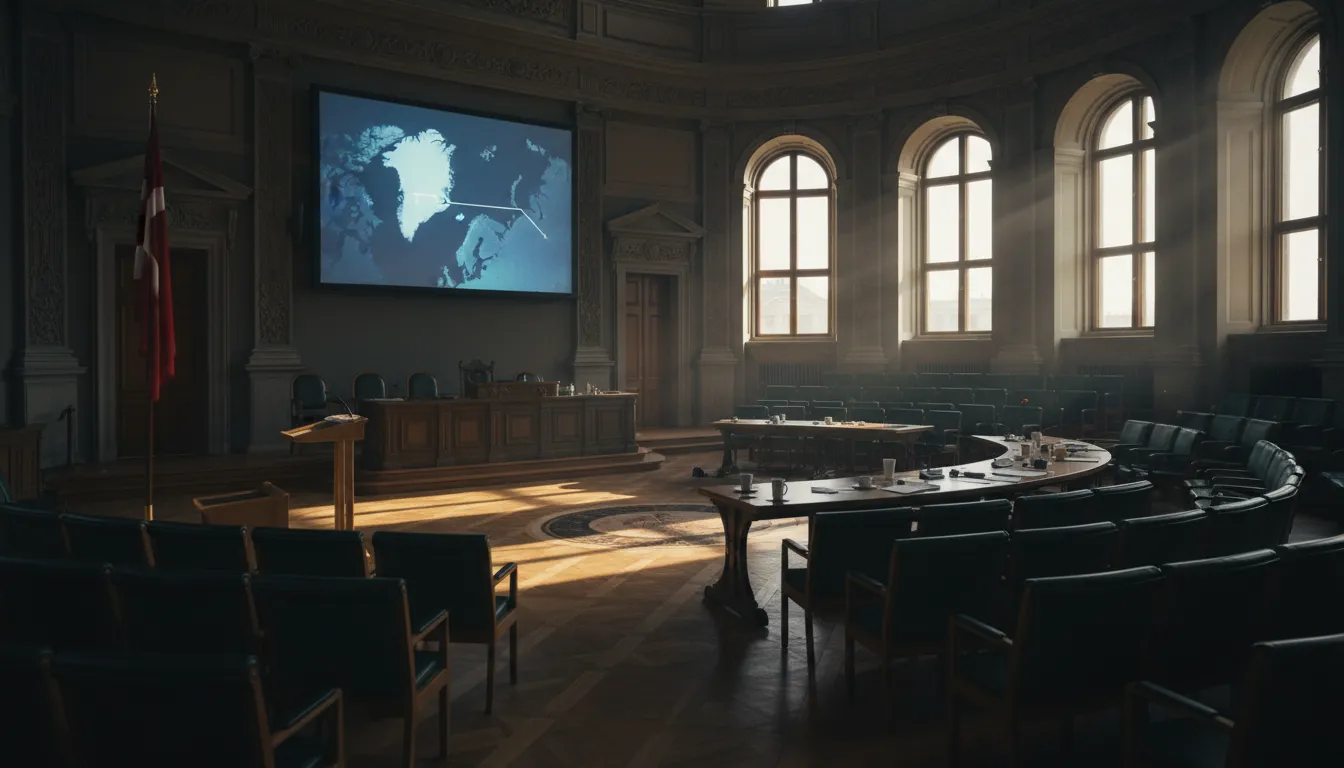
Danish Prime Minister Mette Frederiksen caught both allies and opponents off guard on February 26 when she called a snap parliamentary election for March 24, 2026 — months before her government's term was set to expire. The move was a calculated bet: capitalize on a surge of national pride generated by the Greenland standoff with U.S. President Donald Trump before domestic discontent has time to harden.
"We must stand on our own feet," Frederiksen declared, framing the vote as a defining moment in Denmark's relationship with Washington and its sovereignty over the vast Arctic island.
From Geopolitical Crisis to Political Asset
The backdrop is months of escalating tension. Trump revived longstanding U.S. ambitions to bring Greenland under American control, citing national security concerns about Russian and Chinese influence in the Arctic. When Copenhagen refused, Trump threatened tariffs on Denmark and other European Union members.
Frederiksen responded forcefully. She rallied European allies, took the fight to the Munich Security Conference, and warned that any American takeover of Greenland "would amount to the end of the NATO military alliance." Her firm stance — unusual for a small nation confronting a superpower — resonated strongly with Danish voters.
The electoral effect was swift. The Social Democrats had slumped to just 17 percent in December 2025 polls, suffering heavy losses in municipal elections that year, including the loss of Copenhagen's mayoralty for the first time in 87 years. By late February 2026, support had rebounded to roughly 22 percent, driven by Frederiksen's elevated approval ratings during the Greenland dispute.
A Tight Path to a Majority
Despite the polling recovery, Frederiksen faces a steep climb. Two late-February surveys show her left-leaning bloc on course for around 87 to 88 seats in the 179-seat Folketing — just short of the 90 needed for a governing majority. Her current cross-partisan coalition — an unusual arrangement pairing the center-left Social Democrats with the center-right Liberal Party (Defense Minister Troels Lund Poulsen) and the centrist Moderates (Foreign Minister Lars Løkke Rasmussen) — is expected to lose its existing majority as parties revert to more traditional left-right positions.
If she can consolidate the left bloc and draw in smaller allies, a third consecutive term since 2019 is within reach. But the margin for error is razor-thin.
Domestic Issues Complicate the Picture
Not all Danes are convinced. Critics argue the government has neglected pressing home-front concerns: the rising cost of living, welfare pressures, and a controversial decision to abolish the Great Prayer Day public holiday — a move made to redirect funds toward increased defense spending. The Green Left opposition has pledged to reinstate the holiday, channeling grassroots resentment that could blunt Frederiksen's momentum. Housing affordability and healthcare also feature prominently in opposition messaging.
Europe Watches Closely
The March 24 vote has drawn attention well beyond Copenhagen. European governments still navigating the fallout of U.S. pressure on NATO allies will be watching the result carefully. A Frederiksen victory could reinforce a growing European narrative of sovereign pushback against Trump-era coercion. A defeat would send the opposite signal: that geopolitical bravado is no substitute for domestic delivery.
Whatever the outcome, the election marks a rare instance in which a remote Arctic dispute managed to reshape the political fortunes of an entire country — and forced Denmark to choose what kind of partner it wants to be to its most powerful ally.