EU Activates Mercosur Deal, Bypassing Parliament
European Commission President Ursula von der Leyen announced Friday that the EU will provisionally implement its landmark trade pact with the four-nation Mercosur bloc, creating one of the world's largest free trade zones despite a pending European Parliament legal challenge.

A Quarter-Century in the Making
After 25 years of often bitter negotiations, European Commission President Ursula von der Leyen announced on Friday that the EU will provisionally implement its landmark trade agreement with the Mercosur bloc — comprising Brazil, Argentina, Paraguay, and Uruguay. The move creates one of the world's largest free trade zones, covering more than 700 million people and roughly 30% of global GDP.
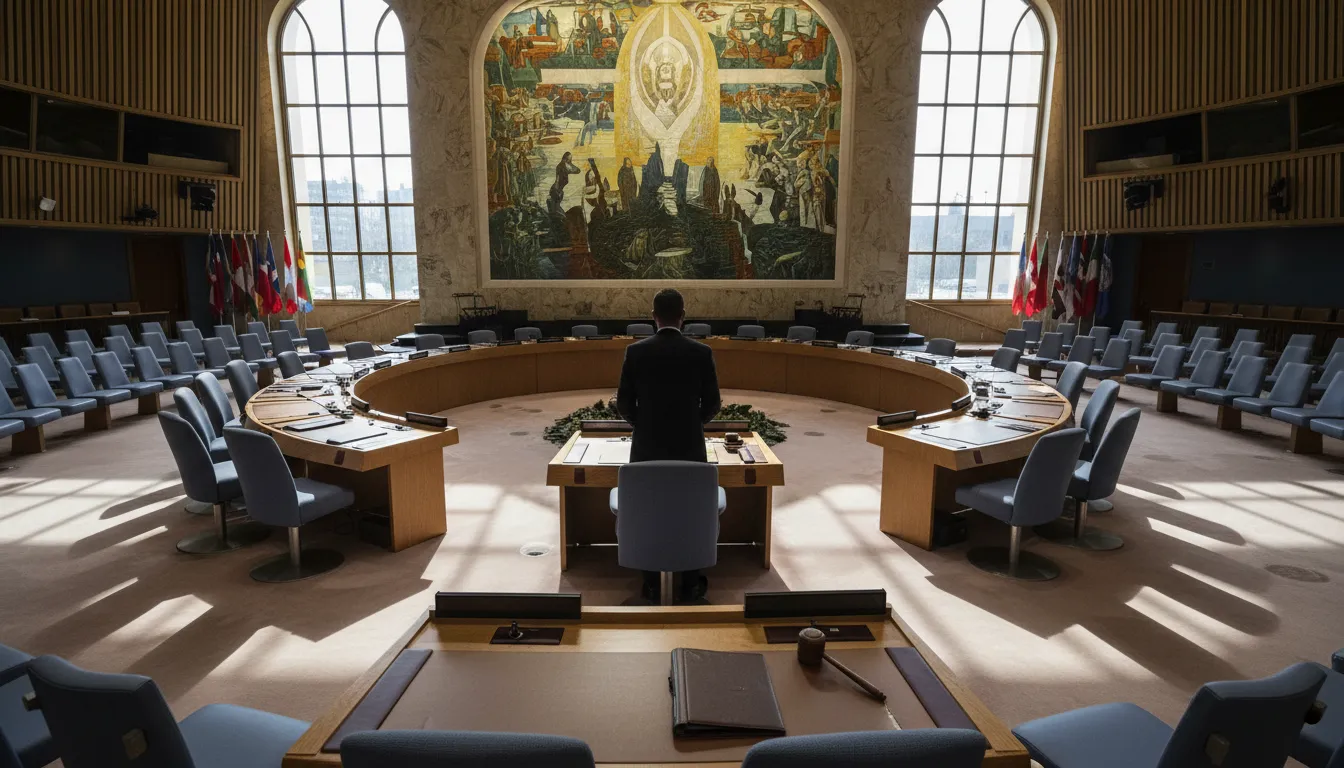
The decision is bold and legally contentious. In January 2026, the European Parliament voted — by the thinnest of margins, 334 to 324 — to refer the deal to the EU Court of Justice, effectively freezing the formal ratification process. The Commission, however, retained the legal right to provisionally apply the trade elements once at least one Mercosur country completed its own ratification. Argentina and Uruguay did exactly that last Thursday, clearing the way for Brussels to act.
What the Deal Does
The agreement eliminates tariffs on over 90% of goods traded between the two blocs. European exporters — particularly in the automotive sector, where South American import duties currently reach 35%, as well as machinery and pharmaceuticals — stand to save more than €4 billion per year. For Mercosur nations, the deal opens the world's largest single market to their agricultural exports, a long-coveted prize.
Von der Leyen called the agreement "one of the most consequential trade deals of the first half of this century," promising it would give European firms access to Latin American markets they "could only dream of" previously.
Farmers on the Barricades
Not everyone is celebrating. France, which led a multi-year campaign against the agreement, reacted furiously. French President Emmanuel Macron called the Commission's move "a bad surprise," stressing that elected representatives had "not been duly respected." French lawmaker Céline Imart accused von der Leyen of "showing contempt" for Europe's struggling farmers, who fear being undercut by cheaper South American beef, poultry, and soy.
Irish farmers echoed those concerns. Irish Farmers' Association President Francie Gorman said the provisional application "fails to respect" Parliament's referral to the Court of Justice, insisting that standards and traceability concerns that had driven two decades of opposition remain unresolved.
Germany, Europe's largest exporter, has consistently backed the deal as essential for accessing growth markets — particularly important as US tariff pressure and Chinese protectionism weigh on European manufacturers.
A Democratic Flashpoint
The Commission's legal maneuver has ignited a wider debate about democratic accountability in EU trade policy. MEP Manon Aubry condemned implementation of "the largest free trade agreement in history" proceeding, in her words, "WITHOUT the vote of national parliaments, the European Parliament." The procedure exploits a legal split: by separating the deal into a "trade pillar" and a broader political agreement, the Commission argues it can apply the trade parts without full parliamentary consent.
The EU Court of Justice is expected to rule within two years. If judges side with Parliament, the entire agreement could unravel. Full entry into force still requires a formal parliamentary vote — and that outcome remains deeply uncertain.
Geopolitical Stakes
The timing is no accident. With US trade policy under the Trump administration growing increasingly unpredictable and protectionist, the EU is actively seeking to diversify its trade relationships. Mercosur represents a bloc rich in raw materials critical for the green transition — including lithium and rare earth metals — as well as agricultural exports that could strengthen European supply chains.
For now, the Commission has pulled the trigger. What happens next will be decided not in trade ministries, but in courts — and potentially at the ballot box.