Europe Bets €2B on Its First Commercial Fusion Plant
Germany's Proxima Fusion has signed a landmark agreement with RWE, Bavaria, and the Max Planck Institute to build Europe's first commercial stellarator fusion power plant, backed by a €2 billion funding package.

A Historic Bet on Clean Fusion Power
On February 26, a Munich-based startup took what may be the boldest step yet toward turning nuclear fusion from a laboratory dream into a commercial reality. Proxima Fusion signed a landmark Memorandum of Understanding with energy giant RWE, the Free State of Bavaria, and the Max Planck Institute for Plasma Physics (IPP) to build Europe's first commercial stellarator fusion power plant — backed by a roughly €2 billion funding package.
The announcement positions Germany at the forefront of a global race to harness fusion energy, which promises near-limitless, low-carbon electricity without the long-lived radioactive waste associated with conventional nuclear fission.
Two Phases, Two Sites
The project unfolds in two stages. First comes Alpha, a demonstration stellarator to be built in Garching, outside Munich, near the IPP campus where decades of fusion research have been conducted. When operational in the early 2030s, Alpha is designed to achieve net energy gain — producing more electricity from its plasma than it consumes — a milestone no stellarator has ever reached.
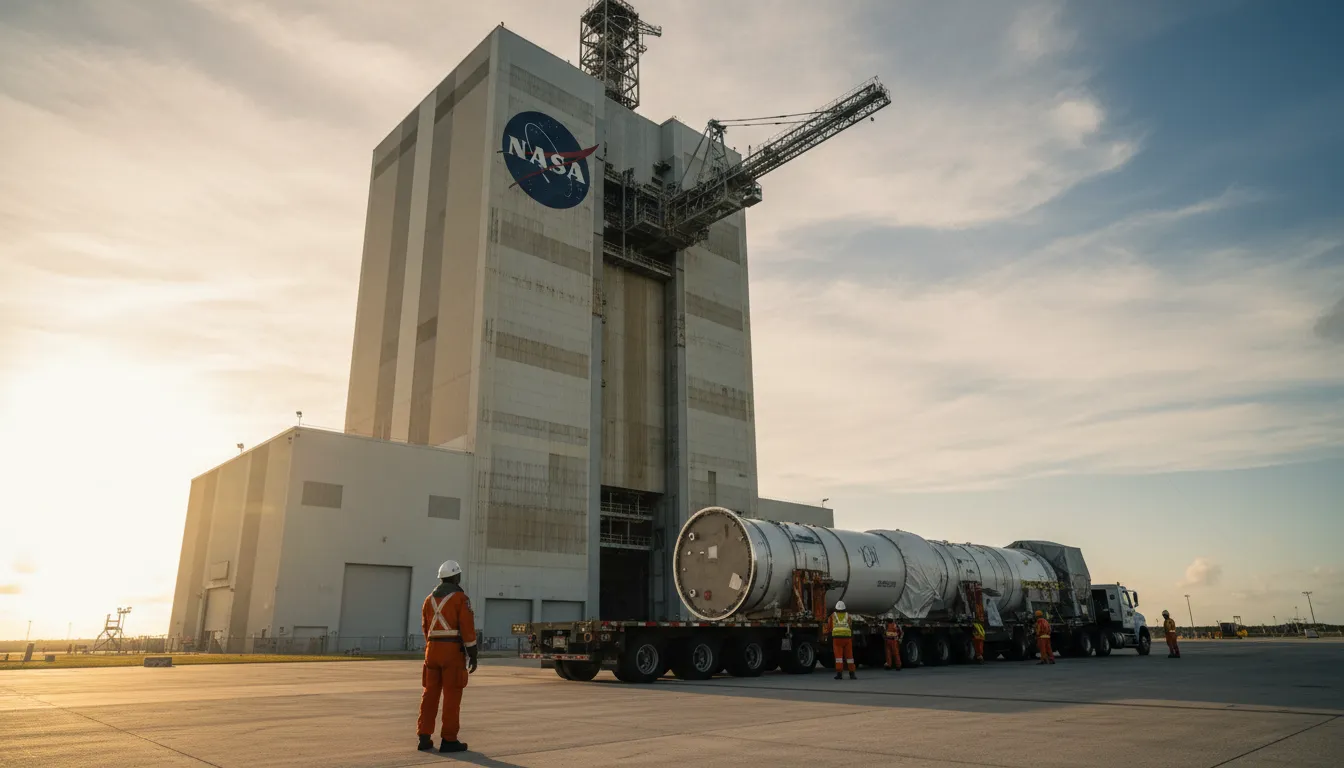
Success at Alpha would pave the way for Stellaris, a full commercial power plant planned for Gundremmingen, Bavaria — the site of a nuclear fission plant currently being decommissioned by RWE. The symbolism is deliberate: Germany's post-nuclear energy future may be written at the very location where its nuclear past is being wound down.
The Stellarator Difference
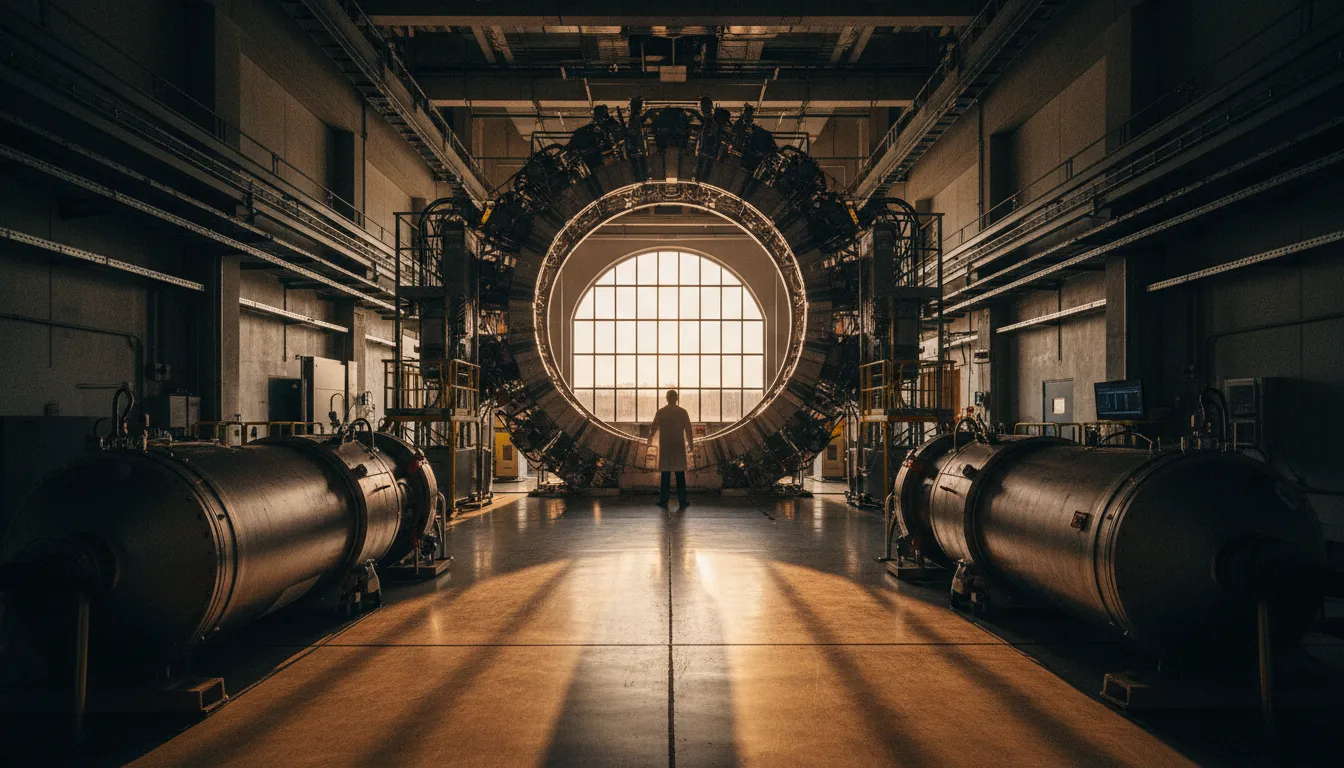
Most fusion projects — including the massive international ITER reactor in France and several high-profile US startups — pursue the tokamak design, which holds superheated plasma inside a doughnut-shaped magnetic chamber. Proxima Fusion has taken a different path, betting on stellarators, which twist their magnetic field into a far more complex geometry.
The advantage is stability. Tokamaks require periodic disruptive pulses to maintain plasma, whereas stellarators can, in theory, sustain continuous operation. The downside has historically been the extraordinary engineering complexity of their twisted coils — a challenge Proxima says it can now tackle using high-temperature superconductors and advanced computer simulation.
Who Is Paying?
The €2 billion Alpha project breaks down across several stakeholders. Bavaria has committed up to €400 million in state co-financing. The German federal government is expected to contribute around €1.2 billion — pending formal approval later in 2026 — under its broader commitment of over €2 billion to fusion research through 2029. Private investors, including Proxima's own fundraising, are expected to cover the remaining roughly 20 percent.
RWE, which holds both financial and site-hosting roles, joins an industrial consortium called the Alpha Alliance — more than 30 European and international companies, including Siemens Energy, Air Liquide, Thales, and Eni — tasked with building the supply chains and manufacturing capability needed at scale.
A Race Europe Cannot Afford to Lose
Europe is not the only player moving fast. In Massachusetts, Commonwealth Fusion Systems is building SPARC, a compact tokamak that aims for its first plasma in 2027. China, too, has accelerated its fusion investments. Proxima CEO Francesco Sciortino argued bluntly that the MOU "visibly positions the European fusion industry on the global stage."
If Alpha succeeds, it would be the first stellarator anywhere to demonstrate net energy gain — and the springboard for Stellaris to deliver electricity to European homes before 2040. The stakes, both scientific and geopolitical, could hardly be higher.