Fico in Paris: Slovakia Could Block €90 Billion for Kyiv
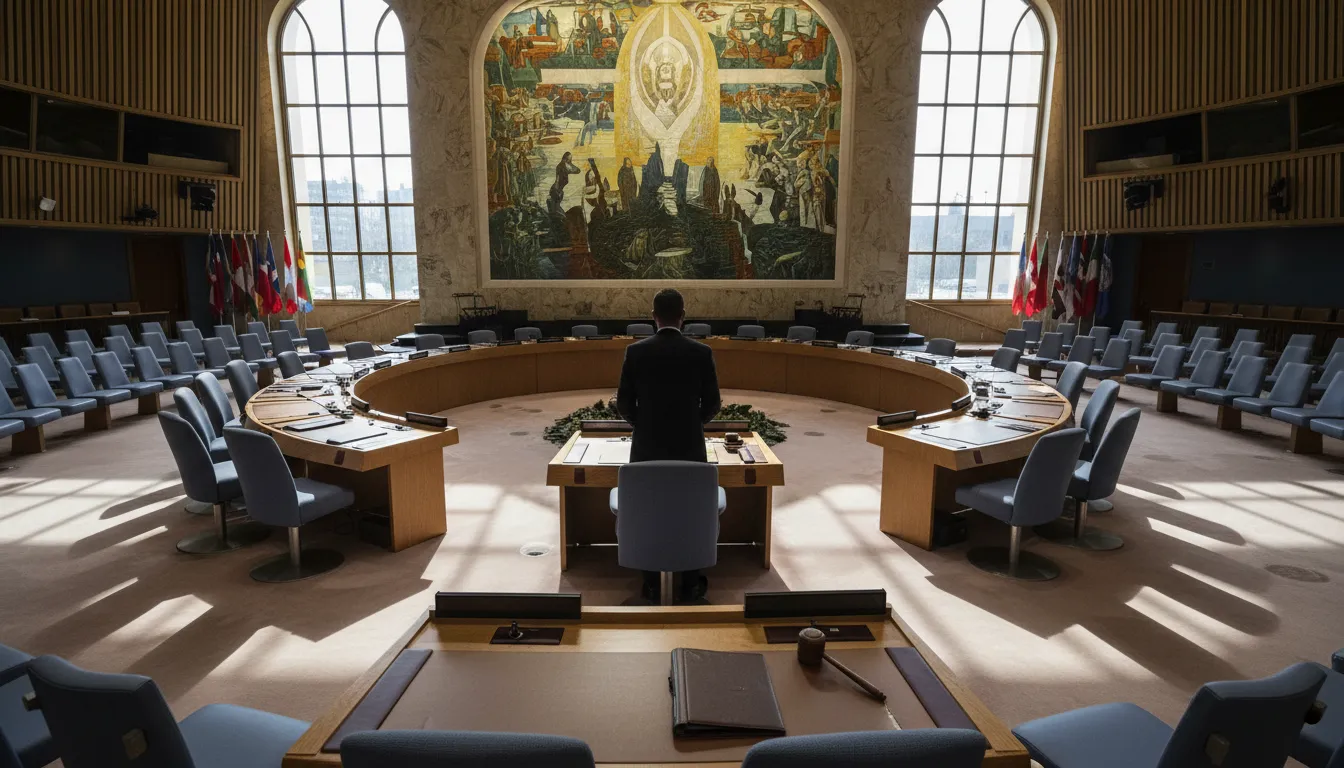
Prime Minister Robert Fico met with European Commission President Ursula von der Leyen in Paris on March 10. He is demanding access for experts to the damaged Druzhba oil pipeline and threatens that Slovakia will block a €90 billion EU loan to Ukraine if Kyiv does not resume oil supplies.
Meeting in Paris Overshadowed by Energy Dispute
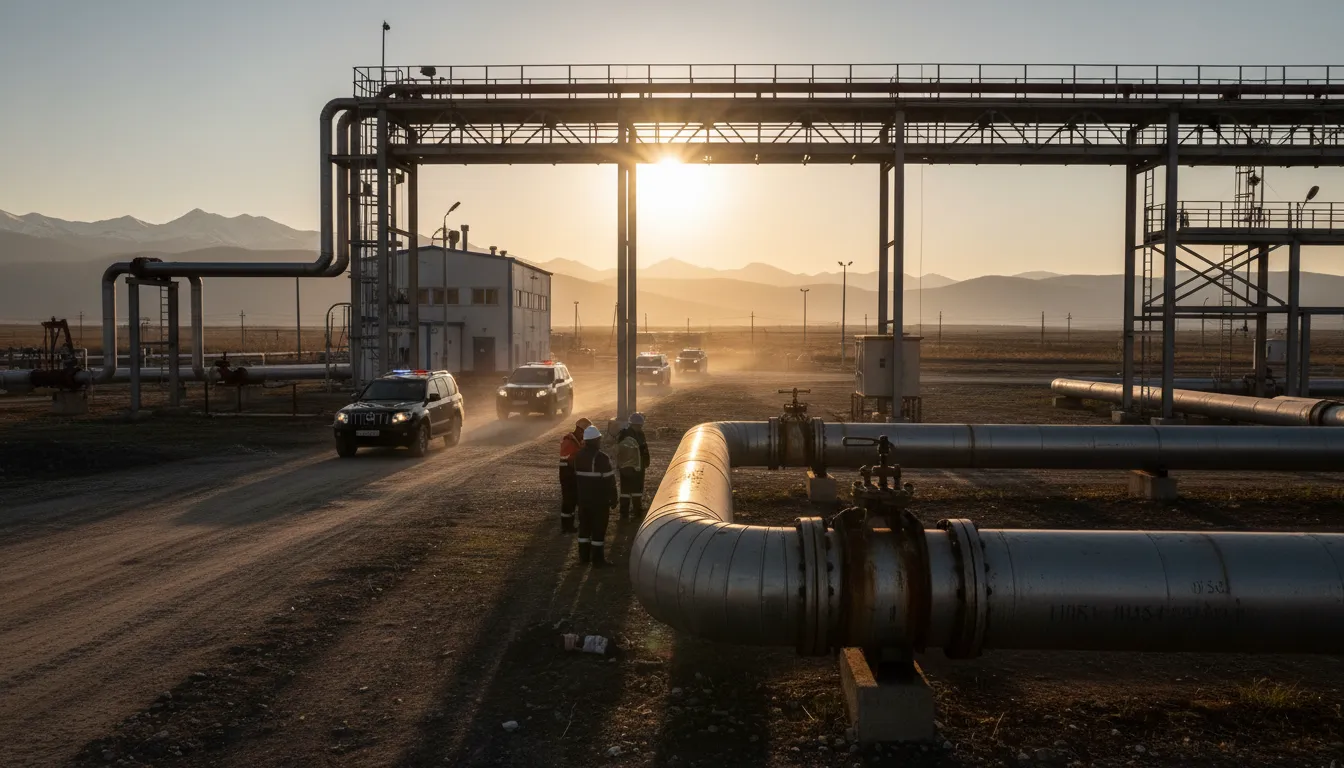
Slovak Prime Minister Robert Fico met with European Commission President Ursula von der Leyen in Paris on Tuesday, March 10, on the sidelines of a nuclear energy summit. The main agenda of the meeting was the dispute over the Druzhba oil pipeline, which has been out of operation since the end of January following a Russian drone attack on the Brody pumping station in the Lviv region.
Fico asked von der Leyen to pressure Kyiv to allow independent experts to visit the damaged section of the pipeline. The Slovak Prime Minister repeatedly claims that Bratislava has satellite images proving that the pipeline is still functional – implying that Ukraine is deliberately blocking its repair for political reasons.
Threat to Block €90 Billion Loan
If Kyiv does not resume the transit of Russian oil, Fico threatened that Slovakia will take over from Hungary and block the approval of a €90 billion EU loan to Ukraine. This was provisionally agreed in December 2025 and includes €30 billion for budgetary support and €60 billion for military needs.
Hungary, under Viktor Orbán, is currently blocking the loan. If the European Union does not unlock it by the beginning of April 2026, analysts say Ukraine could face a significant shortfall in funding for public services and the military.
"Slovakia is ready to take over from Hungary and block the loan to Ukraine if necessary," Fico said before leaving for Paris.
Kyiv: Repair Requires Ceasefire
The Ukrainian side rejects accusations of deliberate obstruction. President Volodymyr Zelenskyy said that repairing the damaged pipeline is only possible in the event of a ceasefire, and that work would take up to one and a half months under current combat conditions. Ukrainian Foreign Minister Andriy Sybiha confirmed that the pipeline was damaged by a Russian attack.
Escalation: Electricity and Diesel
The energy dispute between Bratislava and Kyiv has deepened significantly in recent weeks. On March 4, Slovakia formally terminated the agreement on emergency electricity supplies to Ukraine – Fico made its extension conditional on the resumption of oil supplies via Druzhba. The Slovak side also stopped exporting diesel to Ukraine.
Budapest is following a similar approach, considering halting its own emergency electricity supplies and also suspending diesel exports to Ukraine.
Hungarian Elections as a Variable
The situation is unfolding in a key political context: Hungarian parliamentary elections are scheduled for April 12, 2026. Polls suggest that Orbán's Fidesz maintains a lead (~45% versus ~40% for the opposition Tisza party), but a possible defeat would change the balance of power in negotiations. That is why Fico openly indicated that Slovakia is ready to continue the blockade even without Hungary if Orbán loses the election.
Brussels Seeks Solution
The European Commission is aware of the urgency of the situation. According to sources close to Brussels, EU officials themselves are putting pressure on Kyiv to allow at least a technical inspection of the pipeline. Time is of the essence – every week without a resolution weakens Ukraine's position in funding negotiations and in the diplomatic arena.