Friendship Pipeline Crisis: IEA Record Means Little to Budapest
The International Energy Agency's historic oil release relies on maritime shipments, precisely where Hungary and Slovakia cannot benefit. The Friendship oil pipeline has been down since January, Orbán is blocking the €90 billion EU loan, and the April 12 elections are approaching.
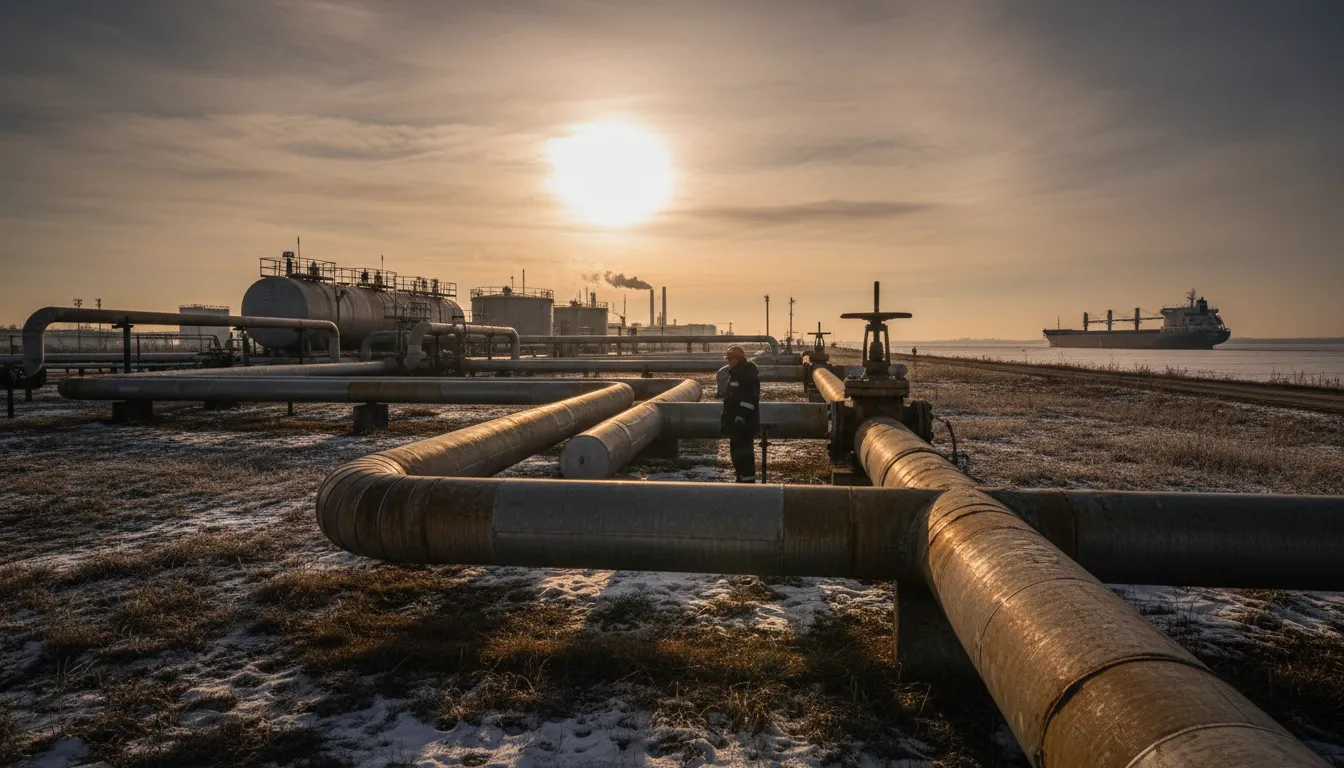
The IEA Record That Doesn't Help Hungary Much
On March 11, the International Energy Agency (IEA) announced the organization's largest-ever coordinated oil release: member states will release a total of 400 million barrels of oil from their strategic reserves to curb the global energy crisis triggered by the Iranian war. However, the measure – by its nature – primarily benefits countries that rely on maritime shipping routes. Hungary and Slovakia, which depend on the land-based Friendship oil pipeline, will hardly benefit from this relief.
Pipeline Shut Down, Uncertain Reserves
The southern branch of the Friendship pipeline has not been delivering Russian oil through Ukrainian territory since January 27. The Ukrainian side cites a Russian drone strike that severely damaged infrastructure near Brody. Budapest, on the other hand, claims that the shutdown is the result of a political decision: Hungarian intelligence assesses that Kyiv is deliberately suspending transit to put pressure on Hungary – especially because of Budapest's stance hindering Ukraine's European integration.
Prime Minister Viktor Orbán has repeatedly emphasized that there are no technical obstacles and that oil deliveries could resume immediately. On March 11, Hungarian technical experts arrived in Ukraine to inspect the section in question, but the Kyiv Foreign Ministry did not formally recognize the delegation – even calling the experts "tourists."
Why Doesn't the IEA Decision Solve Anything?
The 400 million barrels mobilized by the IEA – 172 million barrels of which will be released from the United States' strategic petroleum reserve – are intended to address the global supply disruption caused by the closure of the Strait of Hormuz. The Iranian conflict has been ongoing since February 28; the volume of oil and oil product shipments passing through the strait has fallen to a fraction of the previous 20 million barrels per day, affecting the entire global economy.
The problem is that this landmark release relies on maritime logistics. However, Hungary and Slovakia are landlocked countries – without significant seaports. The Adriatic pipeline offers an alternative, but transportation costs can reach up to five times the costs of the Friendship system, creating a serious competitive disadvantage. Meanwhile, both countries' strategic reserves are being depleted over time: Hungary maintains approximately 96 days' worth of reserves, while Slovakia holds about a month's supply.
Orbán Blocks Loan, Brussels Seeks Loophole
Budapest has been blocking the €90 billion EU loan earmarked for Ukraine since February 20, on the condition that its disbursement can only occur if oil transit is restored. However, Zelensky has made it clear that the restoration of transit is not expected before the Hungarian parliamentary elections on April 12. The European Commission is looking for a way out: Brussels is considering a €30 billion bilateral loan package that would avoid a community-level decision, thereby circumventing the Hungarian veto. Slovak Prime Minister Fico, incidentally, has threatened that if Orbán loses the April election, Bratislava will also veto the loan.
The Energy Crisis as a Campaign Weapon
The issue of energy security has become one of the most important domestic political topics in Hungary. According to polls, Orbán is lagging behind, and the tough rhetoric against Ukraine – including the Friendship pipeline issue – has become a cornerstone of the campaign. While the world struggles with the energy shock caused by the Iranian war, Central Europe has stumbled into a peculiar crisis: an old pipeline has become a political tool, and the energy vulnerability of two landlocked countries is at stake. The IEA's historic move signals that major powers are preparing for a prolonged conflict – but that move stops at Budapest.


