Housing Crisis: Spanish Property Prices Soar 12.7% in 2025
The price of free-market housing in Spain skyrocketed by 12.7% in 2025, the largest annual increase since 2007, according to the INE. A structural deficit of 700,000 homes and growing demand threaten to maintain upward pressure in 2026.
The Steepest Increase in Nearly Two Decades
The Spanish real estate market closed 2025 with a historic jolt: the price of free-market housing rose by 12.7% compared to the previous year, according to data from the Housing Price Index (IPV) published by the National Statistics Institute (INE). This is the largest annual increase recorded since 2007, when the real estate bubble burst, and exceeds the 8.4% increase recorded in 2024 by more than four percentage points. Prices have now risen for 12 consecutive years without exception.
Resale homes led the increase with a 12.9% rise, while new construction advanced 11.2%. The average price stood at around 2,230 euros per square meter, even exceeding the real levels recorded during the height of the previous bubble. In 2025, 714,237 home sales were recorded, the highest figure in eighteen years.
A Structural Deficit of 700,000 Homes
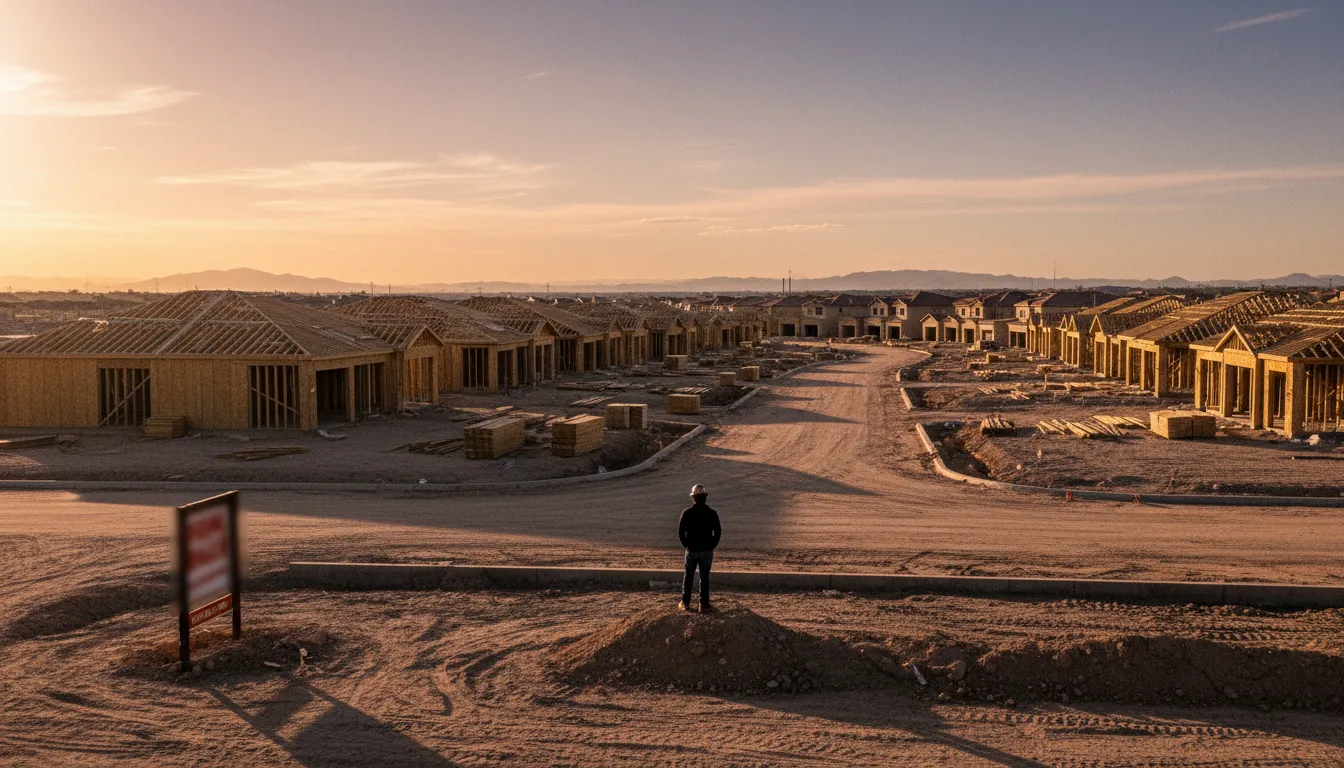
Behind the runaway prices is a structural cause that analysts have been denouncing for years: Spain builds too little for the demand it generates. The Bank of Spain revised its estimate of the deficit upwards to 700,000 homes, a threshold higher than it had estimated just a year earlier. The country builds barely 100,000 homes a year, half of what it needs to absorb the demand generated by the formation of new family units — between 200,000 and 250,000 annually — and population growth.
The Spanish population has increased by three million inhabitants since 2019, driven mainly by immigration. 50% of the unmet demand is concentrated in Madrid, Barcelona, Valencia, Alicante and Málaga. The obstacles to building more are well known: scarcity of serviced land, slow bureaucratic processes, lack of skilled labor and regulatory uncertainty. According to the Bank of Spain, this imbalance «could become a bottleneck for the economy.»
All Regions See Double-Digit Increases
For the first time in recent history, no autonomous community escaped double-digit increases in the last quarter of 2025. Castilla y León topped the ranking with an increase of 15.3%, followed by Aragón, Murcia and La Rioja, with 14.4% each. Madrid and Galicia exceeded 14%, while Catalonia, the Canary Islands and Navarra remained above 10%.
Government Under Pressure, With No Short-Term Solutions
Pedro Sánchez's executive announced a Royal Decree Law with urgent measures for the rental market, including the regulation of tourist apartments and restrictions on speculative practices. However, experts warn that these initiatives are insufficient to tackle the underlying problem. Damian Hetch, of Walter Haus, described the current measures as «short-termist and electoral», stressing that without profound reforms in land use, supply will remain structurally scarce.
Rentals also offer no respite: the average price in Spain exceeded 12.2 euros per square meter, with increases of up to 8% in Barcelona, Málaga and Valencia, according to data from real estate portals.
2026: Further Increases, Albeit More Moderate
BBVA Research forecasts that prices will rise by around an additional 7% in 2026, a somewhat more moderate pace but one that will continue to put housing out of reach for young people and middle-income earners. Experts consulted by idealista agree that the accumulated deficit — estimated at more than 625,000 homes between 2021 and 2025 — cannot be absorbed in the short term even if construction grows at rates of 10-12% per year.
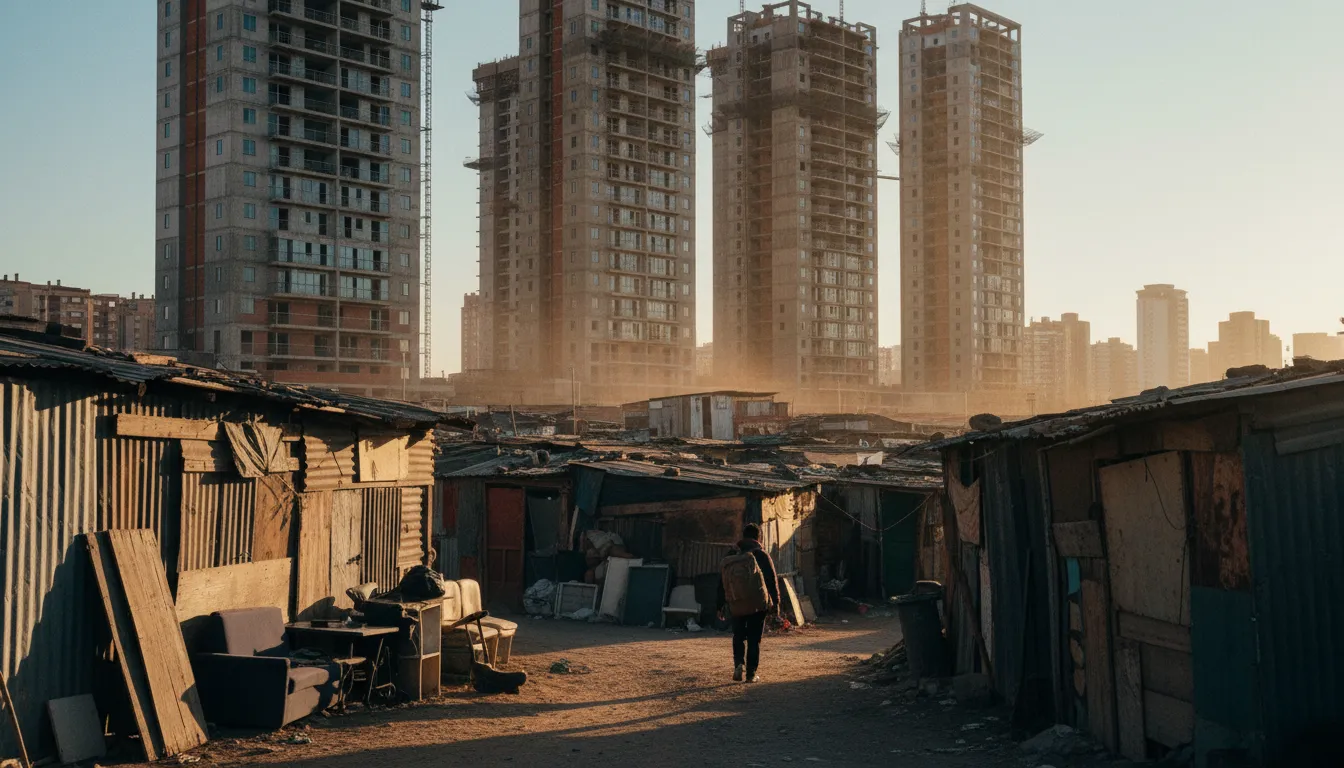
According to the IMF, Spain is the fastest-growing large economy in Europe in 2026. The paradox is that this dynamism contrasts with the system's inability to guarantee a basic good: an affordable roof over its citizens' heads.