Geneva Peace Talks Stall as Russia, Ukraine Dig In
The second day of US-brokered peace talks in Geneva ended without a breakthrough, with Russia insisting on territorial demands and Ukraine refusing to cede land it still controls.
Tense Talks, No Progress
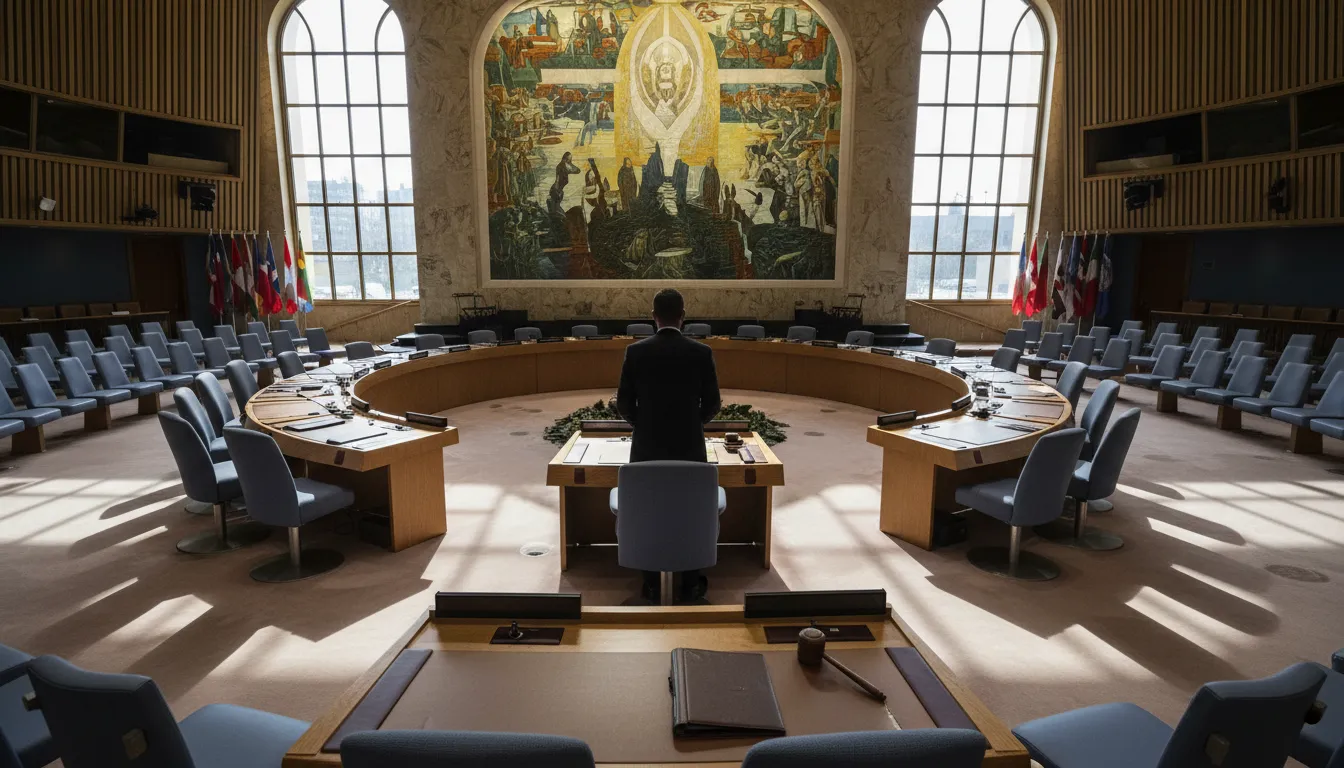
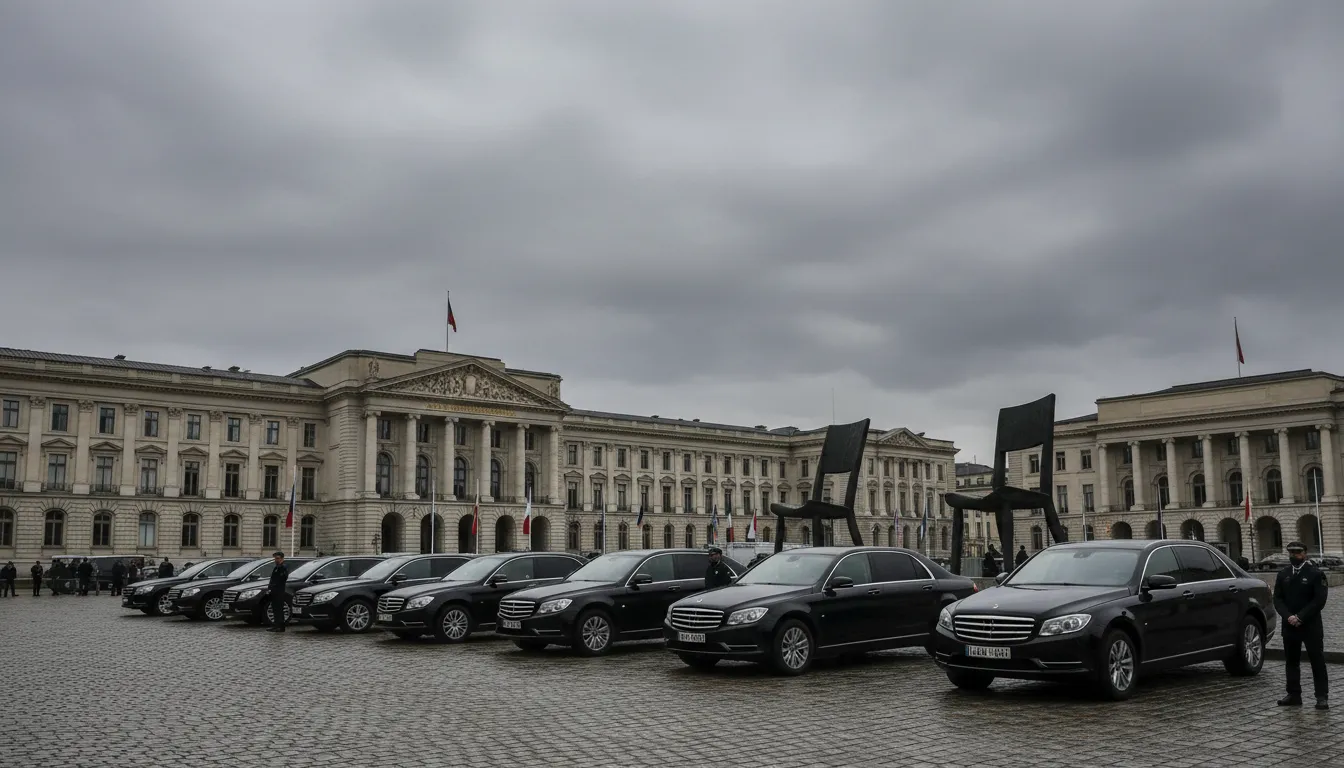
The third round of US-mediated peace negotiations between Russia and Ukraine concluded its second day in Geneva on Wednesday with no breakthrough on the central issue dividing the two sides: territory. After a first day described as "very tense" by a source close to the Russian delegation, hopes for a diplomatic turning point in the nearly four-year war faded further.
The talks, held in various bilateral and trilateral formats over six-hour sessions, followed two earlier rounds in Abu Dhabi that also ended without substantive progress. The Ukrainian delegation was led by National Security and Defence Council secretary Rustem Umerov and former intelligence chief Kyrylo Budanov, while Russia sent Vladimir Medinsky, a Putin adviser who led Moscow's team during the 2022 Istanbul talks. US envoys Steve Witkoff and Jared Kushner served as mediators.
Land Remains the Central Impasse
The core deadlock centers on eastern Ukraine. Russia is demanding that Kyiv cede the remaining 20% of the Donetsk region that Moscow has failed to capture militarily. Ukraine flatly refuses to surrender territory its forces still control. President Volodymyr Zelensky told Axios that any plan requiring Ukraine to give up unoccupied land would be rejected by the Ukrainian public in a referendum.
Other unresolved questions include control of the Zaporizhzhia nuclear power plant, the possible deployment of Western troops in a post-war security arrangement, and the framework for ceasefire monitoring. Kremlin spokesman Dmitry Peskov signaled no flexibility, stating the delegation would address "territories and everything else related to demands we have put forward."
Trump Pressures Kyiv
President Donald Trump has intensified pressure on Ukraine to reach a swift agreement, telling reporters aboard Air Force One: "Ukraine better come to the table, fast." The comment drew a pointed response from Zelensky, who complained that Washington disproportionately pushes Ukraine rather than Russia to make concessions.
"The Americans often return to the topic of concessions, and too often those concessions are discussed only in the context of Ukraine, not Russia," Zelensky said. He acknowledged being "a little bit" under pressure but insisted that "only with sufficient pressure on Russia and clear security guarantees for Ukraine can this war realistically be brought to an end."
Zelensky also called for increased sanctions on Moscow and greater weapons supplies, signaling that Kyiv sees no reason to offer further compromises without reciprocal sacrifice from Russia.
Missiles Fly as Diplomats Talk
Underscoring the fragility of the diplomatic effort, Russia launched nearly 400 drones and 29 missiles targeting 12 Ukrainian regions during the first day of talks. The strikes left tens of thousands in the port city of Odesa without heating and water. Zelensky accused Moscow of deliberately undermining the peace process through continued military escalation.
What Comes Next
Despite the lack of a breakthrough, US envoy Witkoff struck an optimistic tone, writing on X that Trump's efforts had produced "meaningful progress" and that both parties "agreed to update their respective leaders and continue working towards a deal." Washington has set a June deadline for a settlement, though analysts remain skeptical given the entrenched positions on both sides.
An unnamed person close to the negotiations offered a more sober assessment: "It does seem like they want peace. But they want peace only on their terms." With the fourth anniversary of Russia's full-scale invasion approaching on February 24, the gap between the two sides shows no sign of narrowing.